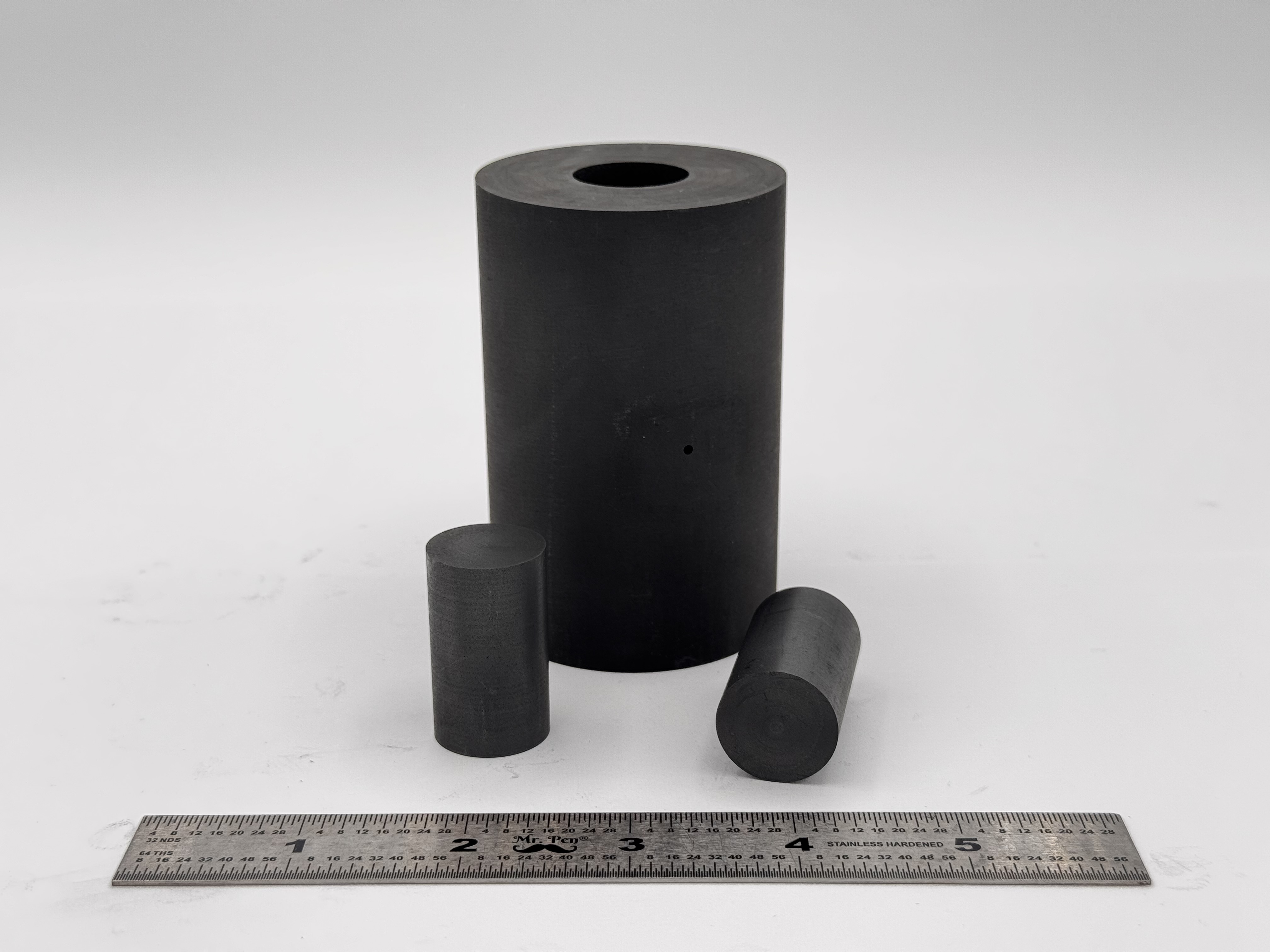
 High Strength SPS Graphite Tooling
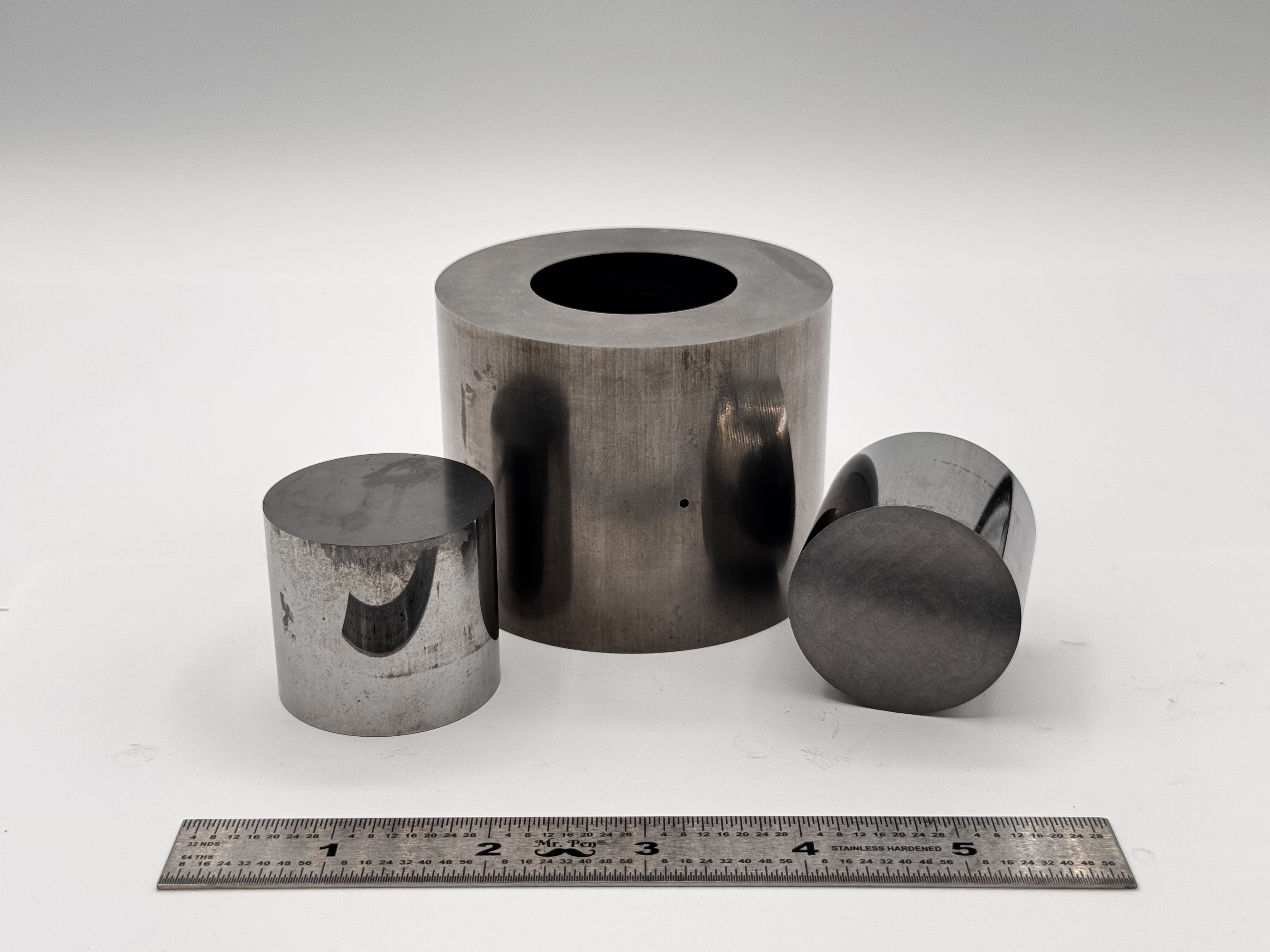 Tungsten Carbide Tooling
 Carbon Graphite Foil / Paper
 Carbon Felt and Yarn
 Spark Plasma Sintering Systems
 SPS/FAST Modeling Software
Hot Isostatic Pressing (HIP): The Science Behind Stronger, More Reliable Materials
In industries where failure is not an option—think aerospace, medical implants, nuclear energy, or oil and gas—material integrity is everything. A microscopic void hidden deep inside a metal part can lead to fatigue cracking, premature failure, or catastrophic breakdown under stress. This is where Hot Isostatic Pressing (HIP) steps in as a quiet hero of modern manufacturing.
HIP is not a new technology, but it has become increasingly vital as manufacturers push materials to their limits and adopt advanced processes like additive manufacturing. By combining extreme heat with intense, evenly applied pressure, HIP produces components that are denser, stronger, and more reliable than those made through conventional methods alone.
What Is Hot Isostatic Pressing?
Hot Isostatic Pressing is a materials processing technique that uses high temperature and isostatic (uniform) gas pressure to eliminate internal defects such as porosity, shrinkage cavities, and microcracks.
The word isostatic is key. Unlike uniaxial pressing or forging, where force is applied from one or two directions, HIP applies pressure equally from all sides. This uniformity allows even complex shapes and internal geometries to be treated consistently—something that traditional mechanical processes simply cannot achieve.
In simple terms, HIP “squeezes” a material evenly while it’s hot enough to allow atoms to move and bond. The result is a part that behaves more like a single, solid piece of material rather than a collection of bonded particles or layers.
How the HIP Process Works
The HIP process takes place inside a specialized pressure vessel designed to withstand extreme conditions. While exact parameters vary by material and application, the general steps remain consistent:
- Loading the Part
The component—cast, sintered, or additively manufactured—is placed inside the HIP vessel. In most cases, no additional tooling or dies are required. - Inert Gas Environment
The vessel is filled with an inert gas, typically argon. This prevents oxidation and unwanted chemical reactions at high temperatures. - Simultaneous Heat and Pressure
The chamber is heated to temperatures that can range from 900°F to over 2200°F (480°C to 1200°C) while pressure is applied, often reaching 15,000 to 30,000 psi or higher. - Pore Elimination and Diffusion Bonding
Under these conditions, internal pores collapse, and atoms diffuse across boundaries, permanently bonding the material internally. - Controlled Cooling
The part is slowly cooled to maintain dimensional stability and avoid introducing new stresses.
This combination of heat and pressure allows HIP to improve the internal structure of a part without altering its external geometry.
Why HIP Matters: The Benefits
HIP is widely used because it delivers measurable improvements to material performance:
1. Near-Zero Internal Porosity
Internal voids are one of the most common causes of mechanical failure. HIP virtually eliminates these defects, even deep within thick or complex parts.
2. Improved Fatigue Life
Parts treated with HIP can withstand repeated stress cycles far better than untreated components—critical for aerospace, automotive, and rotating equipment.
3. Enhanced Strength and Toughness
HIP improves tensile strength, ductility, and fracture toughness, allowing materials to perform reliably under extreme loads.
4. Consistent, Predictable Properties
By homogenizing the internal structure, HIP reduces variability from part to part—an essential requirement for regulated industries.
5. Longer Service Life
Components last longer, require fewer inspections, and fail less often, reducing lifecycle costs.
Industries That Rely on HIP
Because of its ability to enhance safety and reliability, HIP is used extensively in high-performance applications:
Aerospace
HIP is commonly applied to turbine blades, structural components, and engine parts, where even microscopic flaws can lead to catastrophic consequences.
Medical Devices
Orthopedic implants such as hip joints, knee replacements, and spinal components are often HIPed to ensure biocompatibility, strength, and long-term durability inside the human body.
Additive Manufacturing
Metal 3D printing produces complex shapes but often leaves behind internal porosity. HIP is now considered a best practice for
post-processing additively manufactured metal parts, transforming printed components into production-ready hardware.
Oil & Gas and Energy
Valves, pumps, and pressure-containing components benefit from HIP’s ability to improve fatigue resistance and prevent crack initiation in harsh environments.
Defense and Nuclear
HIP provides the material reliability required for mission-critical and safety-critical components where failure is unacceptable.
Materials Commonly Processed with HIP
HIP is compatible with a wide range of advanced materials, including:
- Titanium and titanium alloys
- Nickel-based superalloys
- Stainless steels and tool steels
- Cobalt-chrome alloys
- Aluminum alloys
- Advanced ceramics
Each material has its own optimized HIP cycle to balance strength, ductility, and microstructural stability.
HIP vs. Traditional Heat Treatment
While HIP and heat treatment are sometimes confused, they serve different purposes.
Heat treatment alters a material’s microstructure through controlled heating and cooling but
does not remove internal porosity. HIP, on the other hand, combines heat with pressure to physically eliminate voids.
In many cases, HIP is used in addition to heat treatment, not as a replacement. The two processes together can dramatically elevate part performance.
The Growing Role of HIP in Modern Manufacturing
As manufacturers adopt more advanced materials and production methods, HIP is becoming less of a specialty process and more of a necessity. Additive manufacturing, in particular, has accelerated HIP’s relevance, as it bridges the gap between design freedom and material reliability.
What was once reserved for aerospace and defense is now increasingly common in medical, industrial, and even commercial applications. As quality standards rise and tolerances tighten, HIP provides a proven solution to meet demanding performance requirements.
Conclusion
Hot Isostatic Pressing may happen behind the scenes, but its impact is front and center in today’s most critical components. By eliminating internal defects and enhancing mechanical properties, HIP enables manufacturers to push the limits of material performance with confidence.
Whether ensuring the safety of an aircraft engine, extending the life of a medical implant, or unlocking the full potential of metal 3D printing, HIP plays a vital role in modern manufacturing. It is not just a process—it is a guarantee of reliability where it matters most.