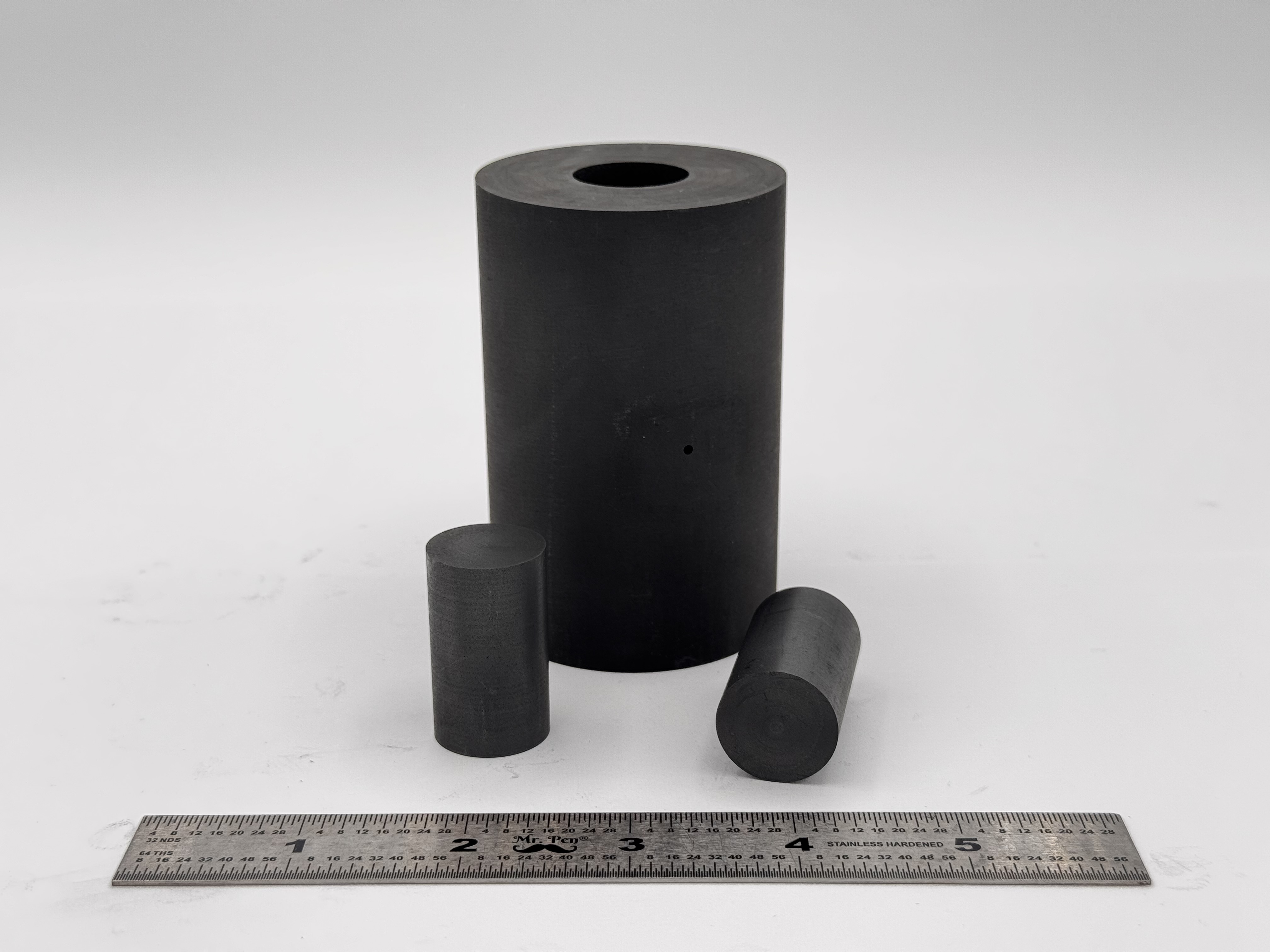
 High Strength SPS Graphite Tooling
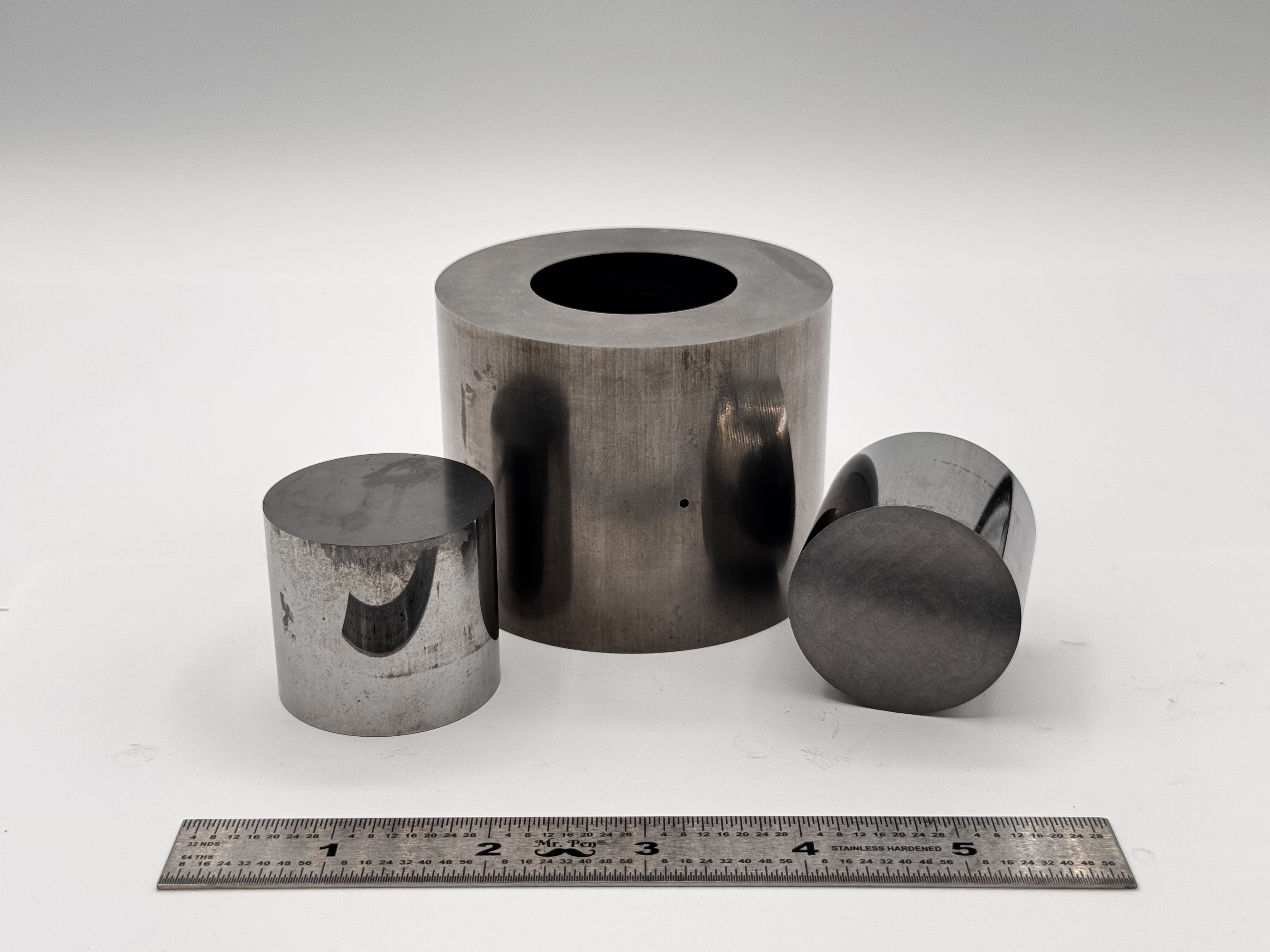 Tungsten Carbide Tooling
 Carbon Graphite Foil / Paper
 Carbon Felt and Yarn
 Spark Plasma Sintering Systems
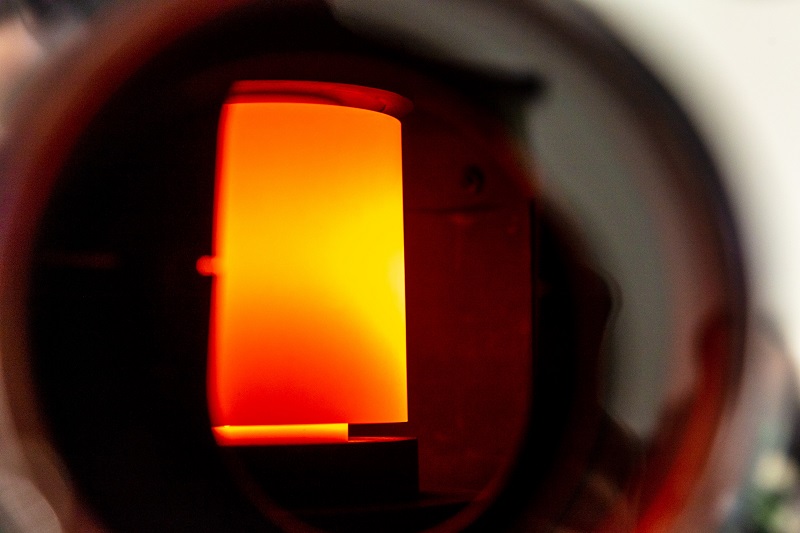 SPS/FAST Modeling Software
SPS Machines: A Complete Guide to Spark Plasma Sintering Technology
In advanced manufacturing and materials science, few technologies have generated as much excitement as Spark Plasma Sintering (SPS). Known for its speed, precision, and ability to create high-density materials with refined microstructures, SPS has become a cornerstone process in industries ranging from aerospace to biomedical engineering.
But what exactly is an SPS machine — and how is such a sophisticated system designed and manufactured?
What Is Spark Plasma Sintering?
An SPS machine is a specialized system designed to consolidate powdered materials into dense solids using a unique combination of:
- Pulsed direct electric current
- Uniaxial mechanical pressure
- Extremely rapid heating rates
- Controlled vacuum or inert gas environments
Unlike traditional sintering, which relies on long furnace cycles, SPS accelerates bonding at the particle level through electrical stimulation and pressure applied simultaneously.
The result? Faster cycles, lower temperatures, and highly refined microstructures.
How an SPS Machine Works
At its core, the process is straightforward — but highly controlled.
First, powdered material is loaded into a graphite die, positioned between graphite punches. Once inside the machine:
- Mechanical pressure is applied (often several tons or more)
- Pulsed DC current passes through the die (and sometimes the powder itself)
- Rapid internal heating occurs at particle contact points
- Densification happens quickly and efficiently
Because the heating occurs internally rather than externally like in a furnace, SPS systems can achieve:
- Heating rates of hundreds of degrees per minute
- Shorter processing times
- Reduced grain growth
- Higher final densities
Why SPS Is So Valuable
The technology offers distinct advantages over conventional sintering methods.
Key Benefits Include:
- Faster production cycles
- Lower required sintering temperatures
- Superior microstructure control
- High-density finished parts
- Ideal processing for nanomaterials and advanced composites
Common Applications:
- Aerospace components
- Biomedical implants
- Thermoelectric materials
- Superhard materials
- Advanced ceramics
- Metal matrix composites
- Research and development environments
How SPS Machines Are Created
While SPS is used to manufacture advanced materials, the machines themselves are complex, high-precision industrial systems. Their construction involves multiple integrated subsystems engineered to operate in perfect synchronization.
Let’s walk through how they’re built.
1. Engineering and Design
Every SPS machine begins with extensive design work.
Engineers use advanced CAD software and simulation tools to design:
- Heavy-duty steel frames
- Press systems (hydraulic or servo-driven)
- Vacuum chambers
- Die support structures
- Cooling systems
- Electrical bus bar pathways
Before fabrication begins, teams conduct:
- Finite Element Analysis (FEA) to model stress loads
- Thermal simulations to predict heating behavior
- Electrical modeling to control pulse timing and current flow
Because SPS systems operate under high pressure, high temperature, and high current simultaneously, precision engineering is critical.
2. Structural Fabrication
The structural frame is the backbone of the machine. It must withstand extreme compressive forces and thermal stresses.
Fabrication typically involves:
- CNC machining
- Laser cutting
- Welding of structural steel
- Surface finishing and alignment
The frame must maintain alignment even under significant mechanical loads, ensuring uniform pressure distribution during sintering cycles.
3. Precision Machining of Critical Components
Certain components require extremely tight tolerances to ensure consistent results.
These include:
- Press rams
- Platens
- Alignment guides
- Shaft systems
- Die holders
CNC machining is used extensively to maintain:
- Uniform load application
- Proper die alignment
- Repeatable process accuracy
Even minor deviations can impact part density and microstructure.
4. Electrical Power System Manufacturing
One of the most sophisticated parts of an SPS machine is its pulse power supply system.
These systems are designed to:
- Deliver thousands of amps
- Generate pulsed DC current
- Control precise pulse timing
- Support rapid heating cycles
Key components include:
- High-capacity transformers
- Pulse generators
- Switching modules
- Copper bus bars
- Insulated conductive pathways
Electrical insulation and cooling are carefully engineered to ensure safe, stable operation.
5. Vacuum and Atmosphere Integration
SPS processing often occurs in controlled environments to prevent oxidation or contamination.
To achieve this, machines incorporate:
- Vacuum pumps
- Sealed chambers
- Gas inlet systems (argon, nitrogen, etc.)
- Pressure sensors
- High-temperature sealing systems
The chamber is welded, machined, and leak-tested before integration to guarantee atmospheric integrity.
6. Cooling Systems
Although SPS generates rapid internal heating, machine components must remain thermally stable.
Cooling systems typically include:
- Water-cooled platens
- Liquid-cooled electrical systems
- Thermal insulation layers
- Heat exchangers
Effective cooling protects electronics, maintains accuracy, and extends equipment lifespan.
7. Control Systems and Software
Modern SPS machines are digitally controlled and highly automated.
They rely on:
- PLCs (Programmable Logic Controllers)
- Industrial-grade controllers
- Touchscreen HMI interfaces
- Thermocouples or pyrometers
- Load cells and pressure sensors
Software is developed to precisely manage:
- Temperature ramp rates
- Pressure timing
- Pulse frequency and duration
- Vacuum levels
- Cooling cycles
Every subsystem must operate in synchronization to achieve optimal material densification.
8. Assembly, Calibration, and Testing
Once all subsystems are fabricated, final assembly begins.
Integration includes:
- Installing the press system into the frame
- Wiring electrical components
- Connecting vacuum and cooling systems
- Configuring software and safety systems
Before shipment, machines undergo rigorous validation:
- Electrical safety testing
- Pressure calibration
- Thermal cycling
- Vacuum integrity verification
- Current output validation
Manufacturers often perform test sintering cycles to confirm performance under real-world conditions.
Materials Used in SPS Machine Construction
An SPS system combines a range of industrial-grade materials:
- Structural steel (frame construction)
- Copper (bus bars and electrical conduction)
- Graphite (dies and punches)
- High-temperature alloys
- Ceramic insulation
- Industrial electronics
Each material is selected for durability, thermal stability, and electrical performance.
Final Thoughts
An SPS machine is far more than a furnace or hydraulic press. It is a tightly integrated system combining mechanical engineering, electrical power design, thermal control, and intelligent software.
By enabling faster densification, better material properties, and greater process control, Spark Plasma Sintering technology continues to push the boundaries of modern manufacturing.
As industries demand lighter, stronger, and more advanced materials, SPS machines will remain a driving force behind next-generation innovation.