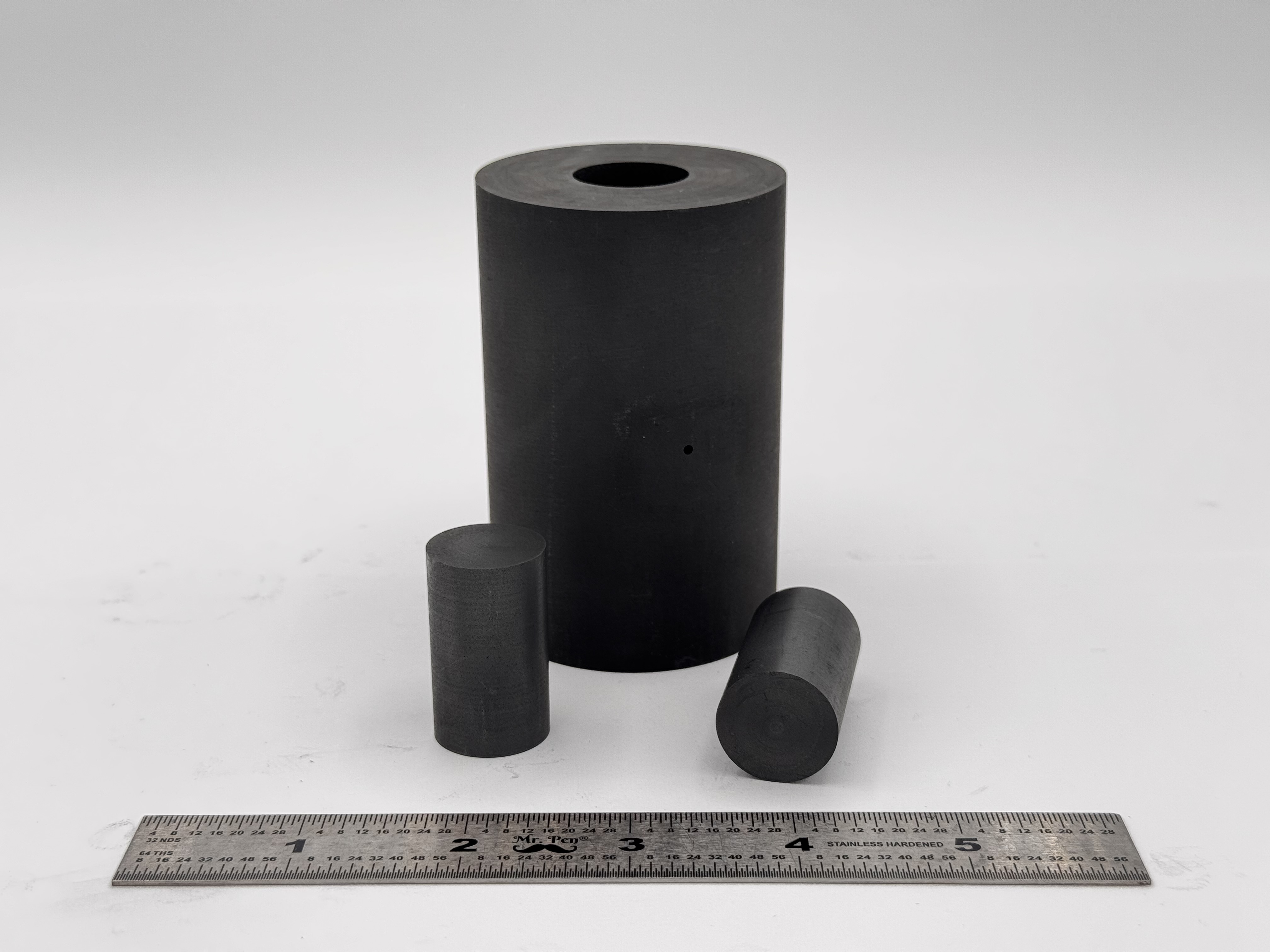
 High Strength SPS Graphite Tooling
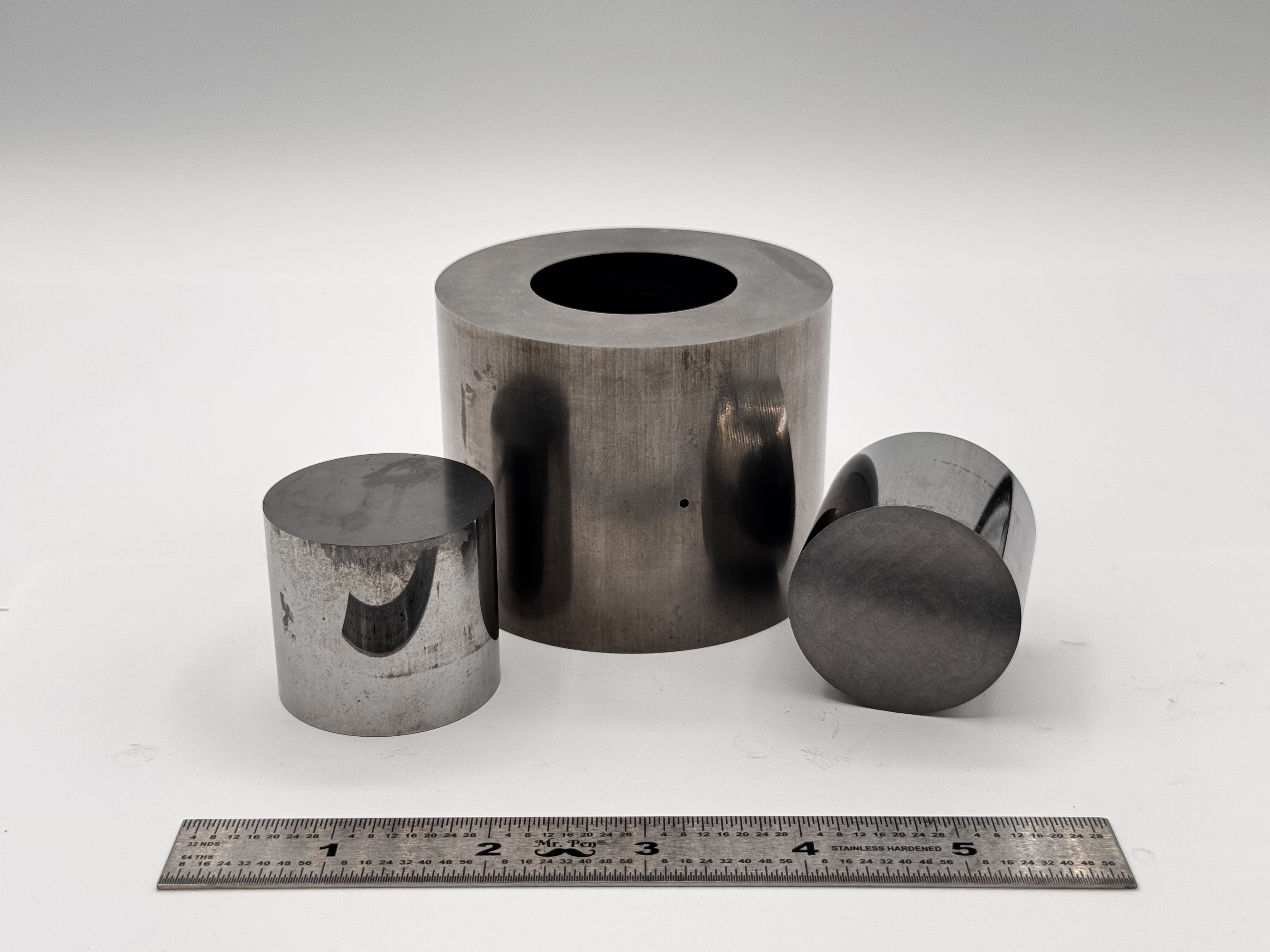 Tungsten Carbide Tooling
 Carbon Graphite Foil / Paper
 Carbon Felt and Yarn
 Spark Plasma Sintering Systems
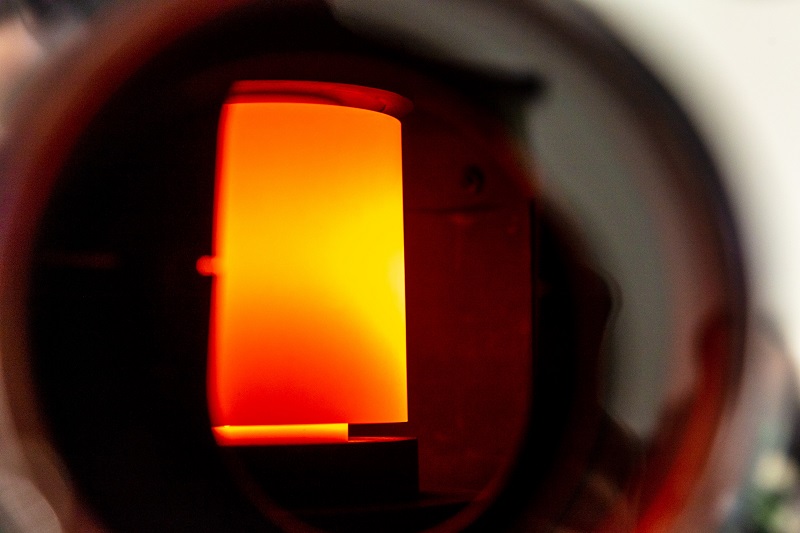 SPS/FAST Modeling Software
Particle Size Analysis in Sintering and Nanomaterials: A Comprehensive Technical Overview
Particle size analysis is a foundational characterization technique in materials science, playing a critical role in industries ranging from pharmaceuticals and coatings to advanced manufacturing and nanotechnology. In high-performance applications—particularly powder metallurgy, field-assisted sintering (FAST/SPS), and nanomaterials engineering—particle size distribution is not merely a descriptive parameter but a controlling factor that directly influences processing behavior, microstructure evolution, and final material properties.
Understanding Particle Size Analysis
Particle size analysis refers to the measurement and characterization of the size distribution of particles within a given material. Rather than describing particles with a single average size, modern analysis techniques generate a distribution profile, indicating the proportion of particles within specific size ranges.
Key Metrics
Particle size distributions are commonly described using percentile values:
- D10: 10% of particles are smaller than this diameter
- D50 (Median Diameter): 50% of particles are smaller
- D90: 90% of particles are smaller
These values provide insight into the spread and uniformity of the material. A narrow distribution suggests consistent particle size, while a broad distribution indicates a mixture of fine and coarse particles.
Measurement Techniques
Several analytical methods are used depending on particle size range and material characteristics:
Laser Diffraction
One of the most widely used industrial techniques, laser diffraction measures how particles scatter light. It is suitable for a wide range of sizes (approximately 0.1 µm to several millimeters) and provides rapid, repeatable results.
Dynamic Light Scattering (DLS)
DLS is ideal for nanoscale particles. It measures fluctuations in light scattering due to Brownian motion, allowing for precise characterization of particles typically in the 1 nm to 1 µm range.
Sieve Analysis
A traditional method used for larger particles (>50 µm), sieve analysis separates particles through stacked mesh screens. While simple and cost-effective, it lacks precision for fine powders.
Image Analysis (SEM/TEM)
Scanning Electron Microscopy (SEM) and Transmission Electron Microscopy (TEM) provide direct visualization of particle size and morphology. These methods are especially valuable in nanotechnology for distinguishing between primary particles and agglomerates.
Sedimentation Techniques
Based on Stokes’ Law, these methods measure the rate at which particles settle in a fluid. They are useful for fine particles but require careful calibration and assumptions about particle shape and density.
Role of Particle Size in Sintering
Sintering is a thermal process that consolidates powder materials into dense solids through diffusion mechanisms. Particle size and distribution strongly influence every stage of this process.
1. Powder Packing and Green Density
Before sintering begins, powders are compacted into a “green body.” The efficiency of this packing directly impacts densification.
- Fine particles can fill interstitial voids between larger particles, increasing packing density
- Broad size distributions often yield higher packing efficiencies than monodisperse powders
Higher initial density reduces:
- Shrinkage during sintering
- Risk of defect formation
- Residual porosity
2. Surface Area and Driving Force for Sintering
The primary driving force for sintering is the reduction of surface energy. Smaller particles have significantly higher surface area-to-volume ratios, increasing their thermodynamic instability.
As particle size decreases:
- Surface energy increases
- Diffusion rates accelerate
- Sintering can occur at lower temperatures
This relationship is particularly important in advanced sintering techniques such as FAST/SPS, where rapid heating rates can take advantage of these enhanced kinetics.
3. Neck Formation and Diffusion Mechanisms
Sintering begins with the formation of “necks” between adjacent particles. The rate and extent of neck growth depend heavily on particle size:
- Smaller particles → more contact points → faster neck formation
- Larger particles → fewer contacts → slower densification
Diffusion mechanisms involved include:
- Surface diffusion
- Grain boundary diffusion
- Volume (lattice) diffusion
The dominance of these mechanisms shifts depending on particle size and temperature.
4. Sintering Temperature and Time
Particle size is inversely related to the temperature required for densification:
- Nanoparticles
- : Can sinter at significantly lower temperatures due to high surface energy
- Micron-scale particles: Require higher temperatures and longer dwell times
In processes like FAST/SPS:
- Rapid heating minimizes grain growth
- Fine powders enable near-full densification in seconds to minutes
5. Grain Growth and Microstructure Evolution
While smaller particles promote rapid densification, they also introduce challenges:
- High surface energy can drive excessive grain growth
- Agglomeration can lead to non-uniform microstructures
Controlling particle size distribution is therefore essential for balancing:
- Densification rate
- Grain size stability
- Mechanical performance
6. Final Material Properties
The particle size distribution ultimately determines the performance of the sintered material:
- Mechanical Strength: Fine grains improve strength via the Hall-Petch relationship
- Density: Better packing reduces porosity
- Thermal/Electrical Conductivity: Influenced by grain boundaries and defects
- Surface Finish: Finer particles produce smoother surfaces
Particle Size in Nanomaterials
In nanotechnology, particle size becomes a dominant factor governing not just structure, but functionality.
1. Surface Area and Reactivity
Nanoparticles exhibit extremely high surface area-to-volume ratios. As a result:
- A larger fraction of atoms reside at the surface
- Chemical reactivity increases significantly
- Catalytic efficiency improves
This makes nanoparticle size control critical in:
- Catalysts
- Energy storage materials
- Biomedical applications
2. Agglomeration and Dispersion
One of the primary challenges with nanoparticles is agglomeration:
- Attractive forces (van der Waals, electrostatic) cause particles to cluster
- Agglomerates behave like larger particles during processing
This creates a distinction between:
- Primary particle size (true size)
- Effective particle size (agglomerated state)
Accurate particle size analysis must account for both.
3. Measurement Challenges
Different techniques may yield different results depending on what is being measured:
- DLS: Measures hydrodynamic diameter (often larger due to agglomeration)
- SEM/TEM: Reveals primary particle size
- Laser Diffraction: May struggle with nanoscale resolution
Proper interpretation of results requires understanding the limitations of each method.
4. Size-Dependent Physical Properties
At the nanoscale (<100 nm), materials begin to exhibit unique behaviors:
- Optical properties: Changes in color and light absorption
- Electrical properties: Quantum confinement effects
- Thermal properties: Reduced melting points
These phenomena make particle size a design parameter, not just a processing variable.
Particle Size Distribution: A Critical Parameter
While average particle size is important, the distribution is often more critical.
Narrow Distributions
- Uniform behavior during processing
- Predictable sintering kinetics
- Potentially lower packing efficiency
Broad Distributions
- Improved packing density
- Reduced porosity
- More complex sintering behavior
In many industrial applications, an optimized bimodal or multimodal distribution provides the best balance between packing and process control.
Practical Example
Consider two powder systems used in sintering:
Coarse Powder (~50 µm)
- Low surface area
- High sintering temperature required
- Slow densification
- Larger final grain size
- Lower mechanical strength
Nanopowder (~100 nm)
- Extremely high surface area
- Low sintering temperature
- Rapid densification
- Fine grain structure
- High strength—but prone to agglomeration
This comparison highlights the trade-offs that must be managed through careful particle size control and analysis.
Relevance to Advanced Manufacturing and FAST/SPS
For organizations working with advanced sintering technologies—such as California Nanotechnologies and similar high-performance materials providers—particle size analysis is central to process optimization.
In FAST/SPS systems:
- Rapid heating rates amplify the effects of particle size
- Fine powders enable ultra-fast densification
- Controlled distributions help maintain uniform current flow and thermal gradients
By tailoring particle size distribution, manufacturers can:
- Reduce cycle times
- Improve part density
- Achieve superior microstructural control
Conclusion
Particle size analysis is far more than a routine characterization technique—it is a critical tool for controlling material behavior across a wide range of advanced applications. In sintering and nanotechnology, where surface effects, diffusion, and microstructural evolution dominate, particle size distribution becomes a primary driver of performance.
From improving packing density and lowering sintering temperatures to enabling novel nanoscale properties, the ability to accurately measure and control particle size is essential for modern materials engineering.
As manufacturing technologies continue to advance—particularly in areas like field-assisted sintering and nanomaterials development—the importance of particle size analysis will only continue to grow. Engineers and researchers who understand and leverage this parameter will be better positioned to design materials with optimized performance, efficiency, and reliability.