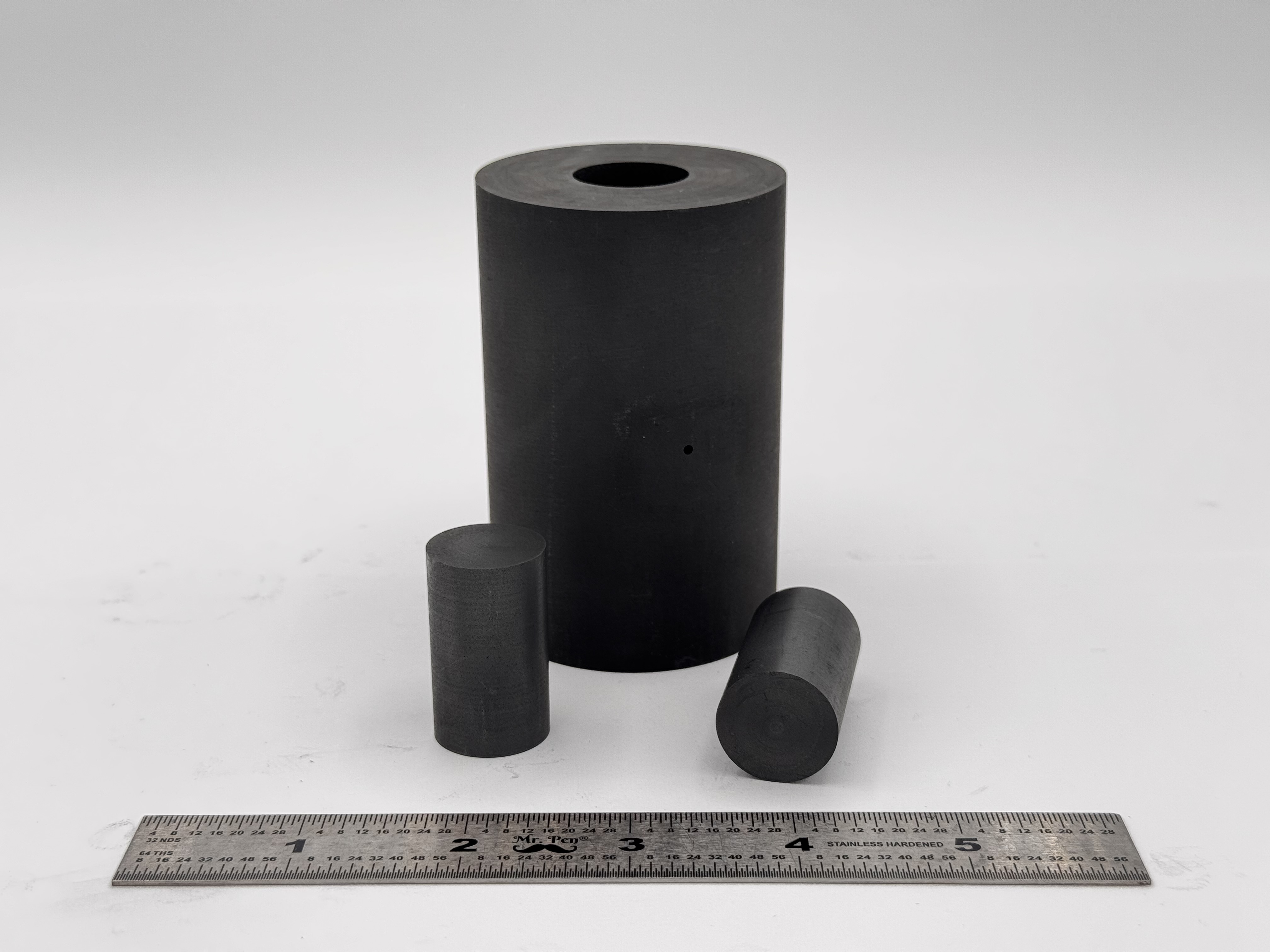
 High Strength SPS Graphite Tooling
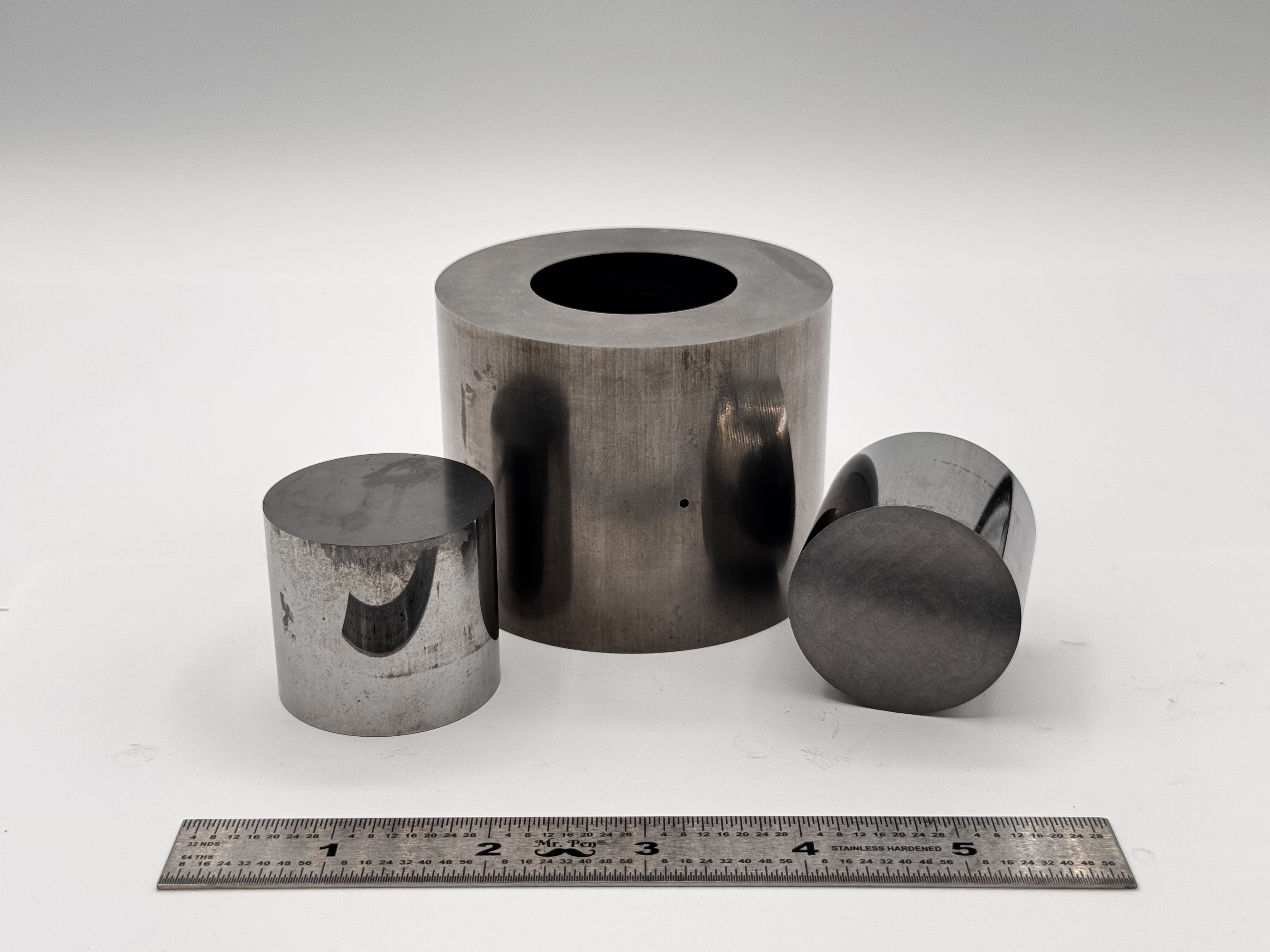 Tungsten Carbide Tooling
 Carbon Graphite Foil / Paper
 Carbon Felt and Yarn
 Spark Plasma Sintering Systems
 SPS/FAST Modeling Software
Direct Current Sintering vs. Hot Pressing and HIP: A Technical Comparison and Its Role in Nanotechnology
As materials science advances into increasingly complex and high-performance applications, the need for precise, efficient, and scalable consolidation methods has become more critical than ever. Traditional sintering techniques, while effective, often fall short when applied to modern materials such as nanostructured powders, high entropy alloys (HEAs), and advanced composites.
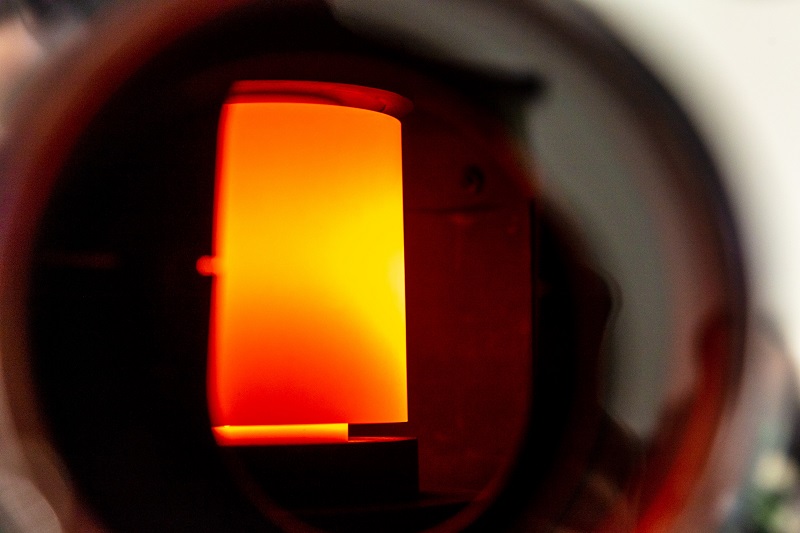
Direct current sintering—commonly referred to as spark plasma sintering (SPS) or field-assisted sintering technology (FAST)—has emerged as a transformative solution. By combining electrical current and mechanical pressure, this method enables rapid densification with minimal microstructural degradation.
To fully understand its significance, it is essential to compare DC sintering with two established methods: hot pressing (HP) and hot isostatic pressing (HIP). This article explores the mechanisms, advantages, and limitations of each process, while highlighting the unique role of DC sintering in nanotechnology and advanced materials development.
Fundamentals of Direct Current Sintering
Direct current sintering (DCS) is a powder consolidation technique in which a pulsed or continuous DC electrical current is passed through a conductive die—and in some cases the powder compact itself—while uniaxial pressure is applied.
Mechanism of Action
The densification process is driven by several coupled phenomena:
- Joule heating: Electrical resistance generates heat internally within the die and powder
- Rapid thermal ramp rates: Heating rates can exceed hundreds of degrees Celsius per minute
- Particle surface activation: Localized electrical discharges (often described as “spark plasma”) may occur at particle contacts during early stages
- Simultaneous pressure application: Enhances particle rearrangement and diffusion
Unlike conventional sintering, which relies on external heat transfer, DC sintering produces heat within the material, resulting in highly efficient energy use and extremely fast processing cycles.
Key Characteristics
- Heating rates: up to 1000°C/min
- Sintering times: typically minutes
- Lower processing temperatures
- High final densities (>99% theoretical)
- Minimal grain growth
These attributes make DC sintering particularly well suited for advanced and nanoscale materials.
Hot Pressing: A Conventional Approach
Hot pressing is one of the most widely used traditional sintering methods. It involves applying uniaxial pressure to a powder compact while heating it in a furnace.
Process Overview
- Powder is placed in a die (often graphite)
- External heating raises the temperature gradually
- Mechanical pressure is applied throughout the cycle
- Densification occurs through diffusion and plastic deformation
Advantages
- Reliable and well-understood process
- Suitable for ceramics and composite materials
- Capable of producing relatively high densities
Limitations
- Slow heating and cooling cycles
- Higher sintering temperatures required
- Significant grain growth during extended dwell times
- Limited ability to preserve nanostructures
While hot pressing remains valuable for many industrial applications, it lacks the speed and microstructural control required for cutting-edge materials.
Hot Isostatic Pressing (HIP): Uniform Densification
Hot isostatic pressing differs significantly from both DC sintering and hot pressing in its method of pressure application.
Process Overview
- Powder or pre-sintered part is sealed in a container (often a metal can)
- The assembly is placed in a high-pressure vessel
- Inert gas (typically argon) applies
- isostatic pressure uniformly in all directions
- Elevated temperatures promote densification
Advantages
- Eliminates internal porosity extremely effectively
- Produces isotropic mechanical properties
- Ideal for complex geometries and post-processing
Limitations
- Long cycle times (hours)
- High operational cost and energy consumption
- Often requires encapsulation (canning)
- Not suitable for maintaining nanostructured features
HIP is frequently used as a secondary process to achieve full density after initial shaping or sintering.
Comparative Analysis of Sintering Methods
The fundamental differences between DC sintering, hot pressing, and HIP can be summarized across several key parameters:
Heating Mechanism
- DC Sintering: Internal (electrical current)
- Hot Pressing: External furnace heating
- HIP: External furnace heating
Pressure Application
- DC Sintering: Uniaxial
- Hot Pressing: Uniaxial
- HIP: Isostatic (uniform in all directions)
Processing Speed
- DC Sintering: Minutes
- Hot Pressing: Hours
- HIP: Hours
Microstructural Control
- DC Sintering: Excellent (minimal grain growth)
- Hot Pressing: Moderate
- HIP: Limited for nanoscale preservation
Typical Use Cases
- DC Sintering: Nanomaterials, HEAs, advanced composites
- Hot Pressing: Ceramics, structural components
- HIP: Final densification, aerospace-grade parts
This comparison clearly illustrates why DC sintering has become the preferred method for modern, high-performance materials.
Role of Direct Current Sintering in Nanotechnology
One of the most important applications of DC sintering lies in its ability to process and preserve nanostructured materials.
Preservation of Nanoscale Features
Nanomaterials derive their unique properties—such as enhanced strength, electrical conductivity, and catalytic activity—from their extremely fine grain sizes.
However, traditional sintering methods expose these materials to:
- Prolonged high temperatures
- Extended dwell times
This leads to grain growth, effectively destroying nanoscale features.
DC sintering overcomes this limitation by:
- Using rapid heating and cooling cycles
- Reducing total thermal exposure time
As a result, materials can be densified while maintaining nanometer-scale grain structures.
Processing High Entropy Alloys (HEAs)
High entropy alloys consist of multiple principal elements mixed in near-equal proportions. Their performance depends heavily on achieving a uniform microstructure.
DC sintering provides several advantages in HEA processing:
- Rapid consolidation of mechanically alloyed powders
- Suppression of phase segregation
- Enhanced diffusion under electric current and pressure
These capabilities enable the production of HEAs with:
- Improved mechanical strength
- Enhanced thermal stability
- Superior resistance to extreme environments
Advanced Functional Materials
DC sintering plays a critical role in the fabrication of next-generation functional materials.
Energy Applications
- Thermoelectric materials for waste heat recovery
- Solid oxide fuel cell components
- Battery materials with improved conductivity
Electronic and Magnetic Materials
- Nanostructured conductive ceramics
- Magnetic nanocomposites for sensors and actuators
Biomedical Applications
- Dense, nanostructured implants
- Improved wear resistance and biocompatibility
- Tailored porosity and mechanical performance
Nanocomposites and Hybrid Materials
Another major advantage of DC sintering is its ability to fabricate complex composites at the nanoscale.
Examples include:
- Metal–ceramic composites
- Ceramic–carbon nanotube systems
- Multi-phase nanostructured materials
The rapid processing minimizes:
- Undesirable chemical reactions
- Phase degradation
- Reinforcement damage
This enables the creation of materials with highly engineered and synergistic properties.
Conclusion
Direct current sintering represents a significant advancement in powder metallurgy and materials processing. By combining internal electrical heating with applied pressure, it offers unparalleled speed, efficiency, and microstructural control.
When compared to traditional methods such as hot pressing and hot isostatic pressing, DC sintering stands out as the optimal solution for modern materials—particularly those requiring nanoscale precision and advanced performance characteristics.
As industries continue to push the boundaries of material capability, DC sintering will play an increasingly vital role in enabling innovations across aerospace, energy, electronics, and biomedical engineering.