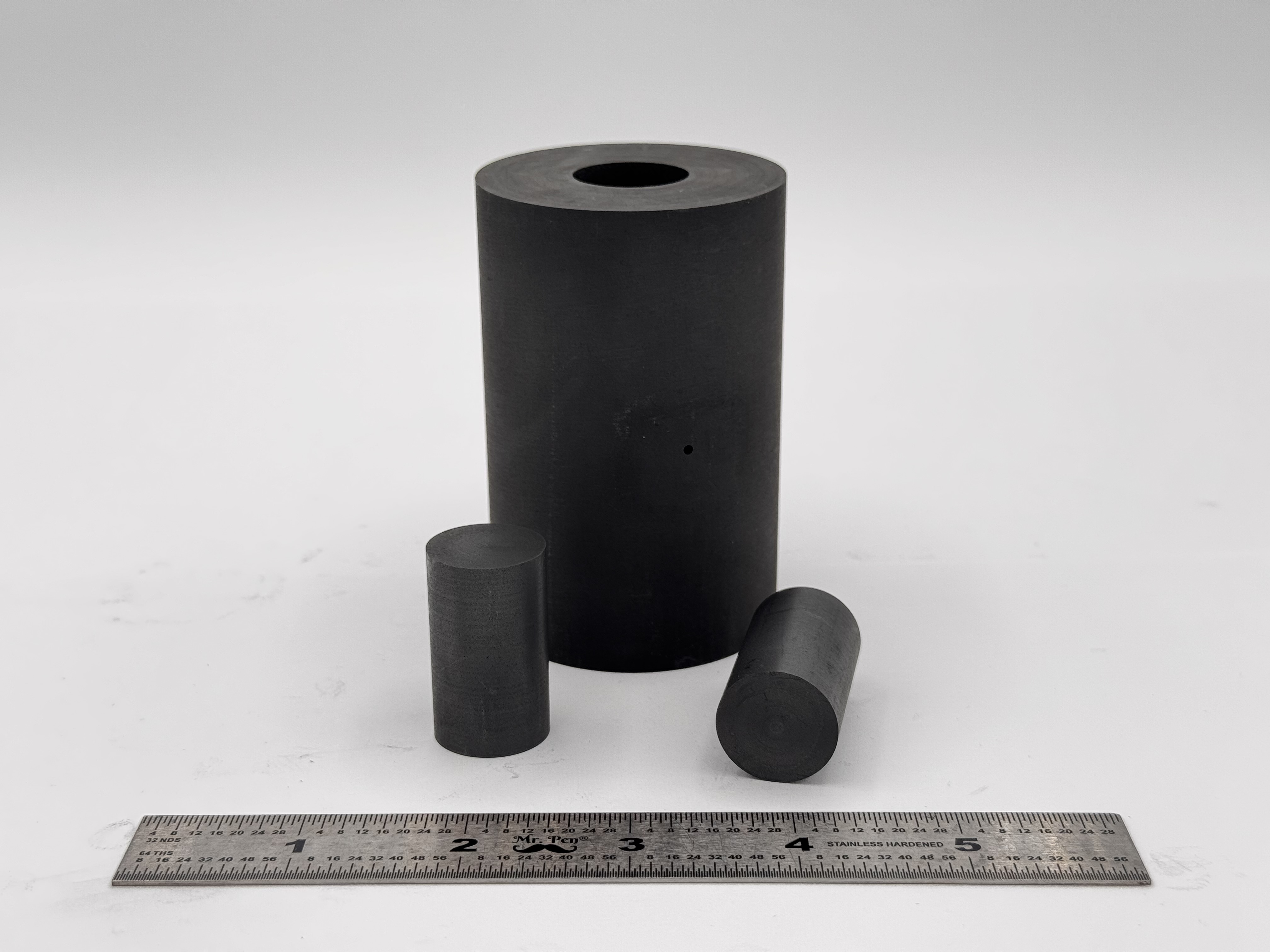
 High Strength SPS Graphite Tooling
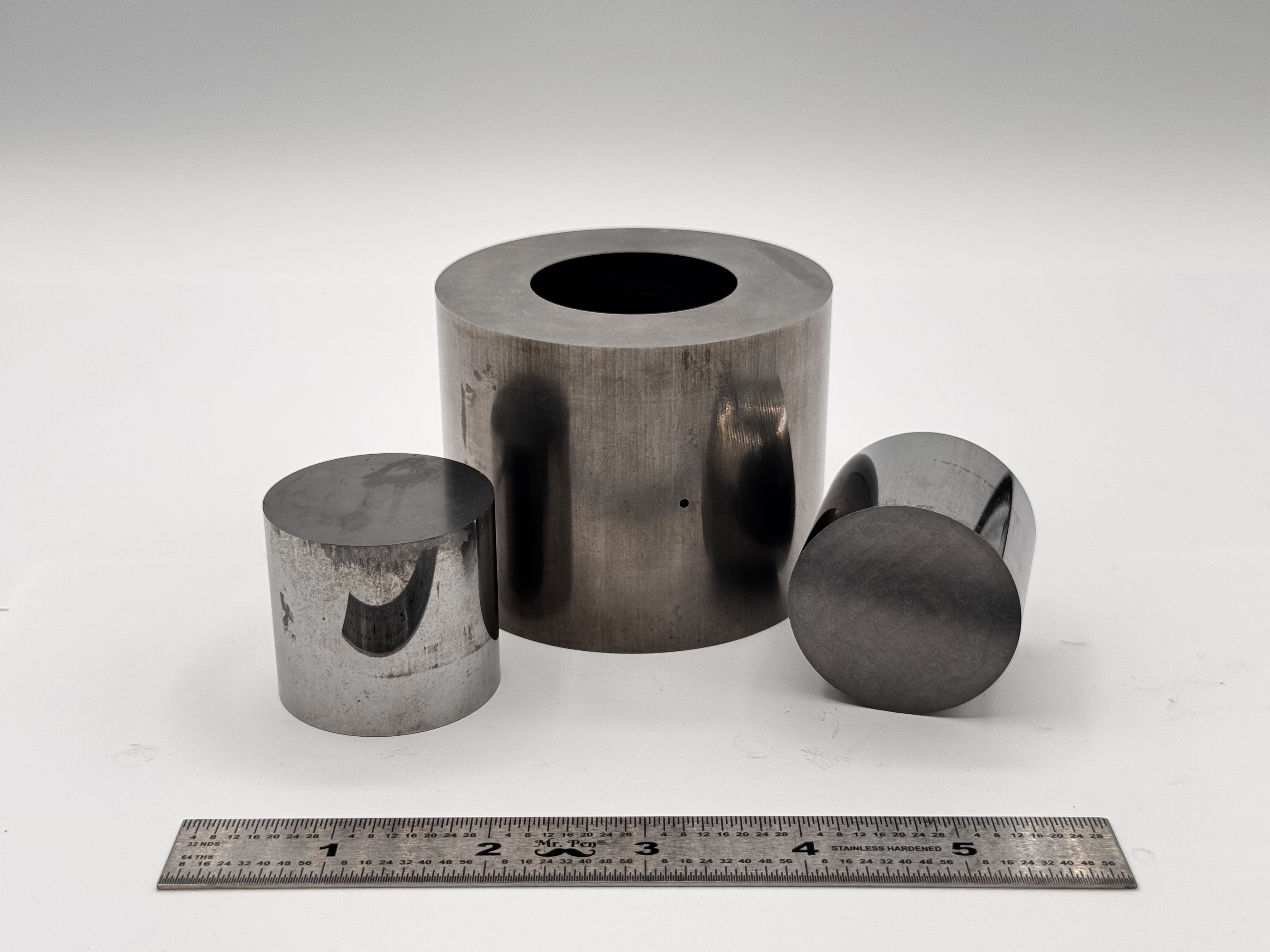 Tungsten Carbide Tooling
 Carbon Graphite Foil / Paper
 Carbon Felt and Yarn
 Spark Plasma Sintering Systems
 SPS/FAST Modeling Software
Planetary Ball Milling in Nanotechnology and FAST/SPS: The Hidden Engine Behind Advanced Materials
In advanced materials manufacturing, breakthrough performance rarely comes from a single process. Instead, it emerges from carefully engineered process chains—where each step prepares the material for the next.
One of the most critical, yet often overlooked, steps in this chain is planetary ball milling.
When combined with modern consolidation technologies like FAST/SPS (Field-Assisted Sintering Technology / Spark Plasma Sintering), planetary ball milling becomes far more than a powder processing technique—it becomes a materials transformation tool, enabling the creation of structures and properties that are otherwise unattainable.
The Role of Planetary Ball Milling: More Than Just Size Reduction
At its most basic level, planetary ball milling is used to reduce particle size. But in advanced applications, its true value lies in how it alters the internal structure and energy state of materials.
Through intense mechanical forces—impact, shear, and friction—planetary milling induces:
- Grain refinement down to the nanoscale
- High defect densities (dislocations, vacancies)
- Repeated cold welding and fracturing
- Near-atomic-level mixing of dissimilar materials
This transforms powders from passive raw materials into highly reactive, structurally activated systems.
Enabling Nanotechnology Through Mechanical Activation
Nanotechnology depends heavily on controlling material structure at extremely small scales. Planetary ball milling provides several key pathways to achieve this.
Nanoscale Grain Structures
Rather than simply producing smaller particles, milling can create:
- Nanocrystalline grains within particles
- Grain sizes often below 100 nm
These structures dramatically increase:
- Surface area
- Grain boundary density
- Chemical reactivity
Mechanical Alloying of Non-Equilibrium Materials
One of the most powerful capabilities of planetary milling is mechanical alloying.
Materials that do not naturally combine—such as:
- Immiscible metals
- Metal–ceramic systems
- Refractory combinations
—can be forced into new structures through repeated deformation cycles.
The result can include:
- Supersaturated solid solutions
- Amorphous phases
- Nanocomposites
These are materials that often cannot be produced through traditional melting or casting.
Defect Engineering for Enhanced Reactivity
The high-energy environment of planetary milling introduces a large number of structural defects, including:
- Dislocations
- Vacancies
- Grain boundaries
These defects act as:
- Diffusion pathways
- Energy storage sites
This dramatically reduces the energy required for subsequent processes, particularly sintering.
Homogeneous Mixing at the Nanoscale
Unlike conventional blending, planetary milling achieves:
- Uniform dispersion of phases
- Intimate contact between particles
This is essential for:
- Battery materials
- Catalysts
- Advanced ceramic systems
The Bridge to FAST/SPS: Why Powder Condition Matters
FAST/SPS is a cutting-edge sintering process that uses:
- Pulsed electric current
- Uniaxial pressure
- Rapid heating rates
It is known for:
- Extremely fast cycle times (minutes instead of hours)
- Lower sintering temperatures
- Fine microstructure retention
However, the effectiveness of FAST/SPS depends heavily on the initial condition of the powder—which is where planetary ball milling becomes critical.
How Planetary Ball Milling Enhances FAST/SPS
Accelerated Densification
Milled powders are in a high-energy, non-equilibrium state.
This leads to:
- Faster diffusion kinetics
- Enhanced particle bonding
During FAST/SPS, this translates to:
- Rapid densification
- Reduced processing time
- Improved final density
Lower Sintering Temperatures
Because of:
- Increased surface area
- High defect density
- Short diffusion distances
Materials can be densified at temperatures hundreds of degrees lower than conventional sintering methods.
This is particularly important for:
- Temperature-sensitive materials
- Multi-phase systems
- Nanostructured materials
Retention of Nanostructure
One of the biggest challenges in nanotechnology is preventing grain growth during consolidation.
The combination of:
- Pre-activated powders (from milling)
- Rapid heating and short dwell times (from FAST/SPS)
Allows for:
- Preservation of nanoscale grain structures
- Bulk materials with nanostructured properties
Enabling Difficult-to-Sinter Materials
Materials such as:
- Tungsten
- Titanium alloys
- Ceramic composites
Are traditionally difficult to densify due to:
- High melting points
- Limited diffusion
Planetary milling improves:
- Particle contact
- Reactivity
FAST/SPS then enables:
- Efficient solid-state bonding
- Full densification without melting
Fabrication of Hybrid and Composite Materials
Planetary ball milling allows for:
- Intimate mixing of dissimilar materials
FAST/SPS enables:
- Rapid diffusion bonding under pressure
Together, they make possible:
- Metal–ceramic composites
- Functionally graded materials
- Refractory metal systems
Examples include:
- Tungsten–copper for thermal management
- Titanium–ceramic systems for biomedical implants
- Advanced armor and aerospace materials
The Integrated Process Chain
The synergy between planetary ball milling and FAST/SPS can be understood as a tightly linked workflow:
1. Planetary Ball Milling
- Activates powders
- Refines structure
- Enables nanoscale mixing
2. FAST/SPS Consolidation
- Rapid heating and densification
- Application of pressure and electric current
3. Final Material
- Fully dense
- Controlled microstructure
- Often nanoscale or near-nanoscale
Why This Combination Matters
Individually, each process is powerful:
Planetary ball milling creates highly reactive, engineered powders.
FAST/SPS consolidates materials rapidly while preserving structure.
Together, they unlock capabilities that traditional manufacturing cannot achieve, including:
- Bulk nanostructured materials
- Ultra-high-performance composites
- Advanced energy and thermal materials
- Next-generation aerospace and defense systems
Conclusion
Planetary ball milling is not just a preparatory step—it is a foundational technology in advanced materials engineering. By transforming powders at the structural level, it sets the stage for what FAST/SPS can achieve during consolidation.
As industries continue to demand stronger, lighter, and more functional materials, the integration of these two technologies will remain at the forefront of innovation—enabling materials that were once considered impossible to manufacture.