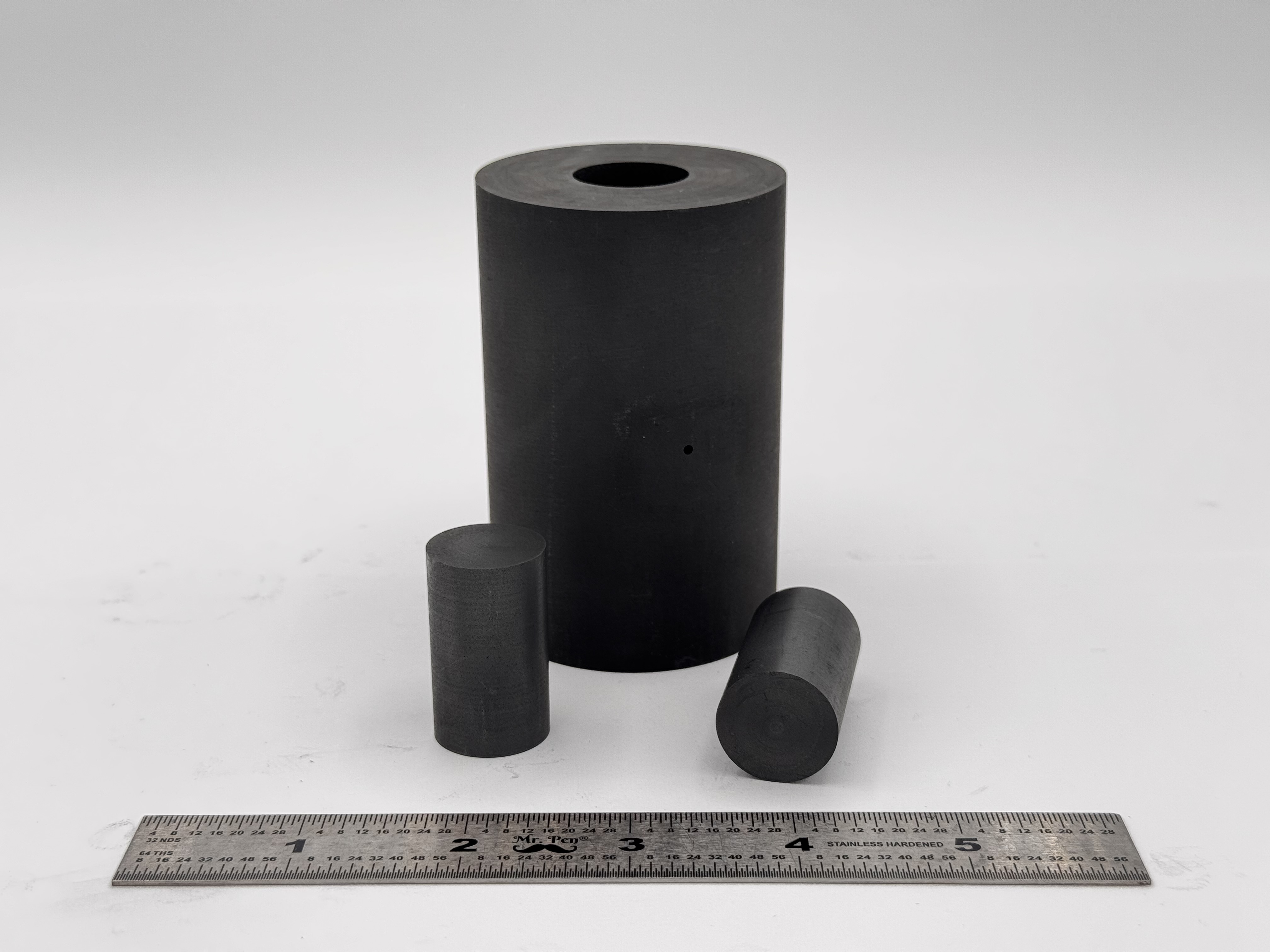
 High Strength SPS Graphite Tooling
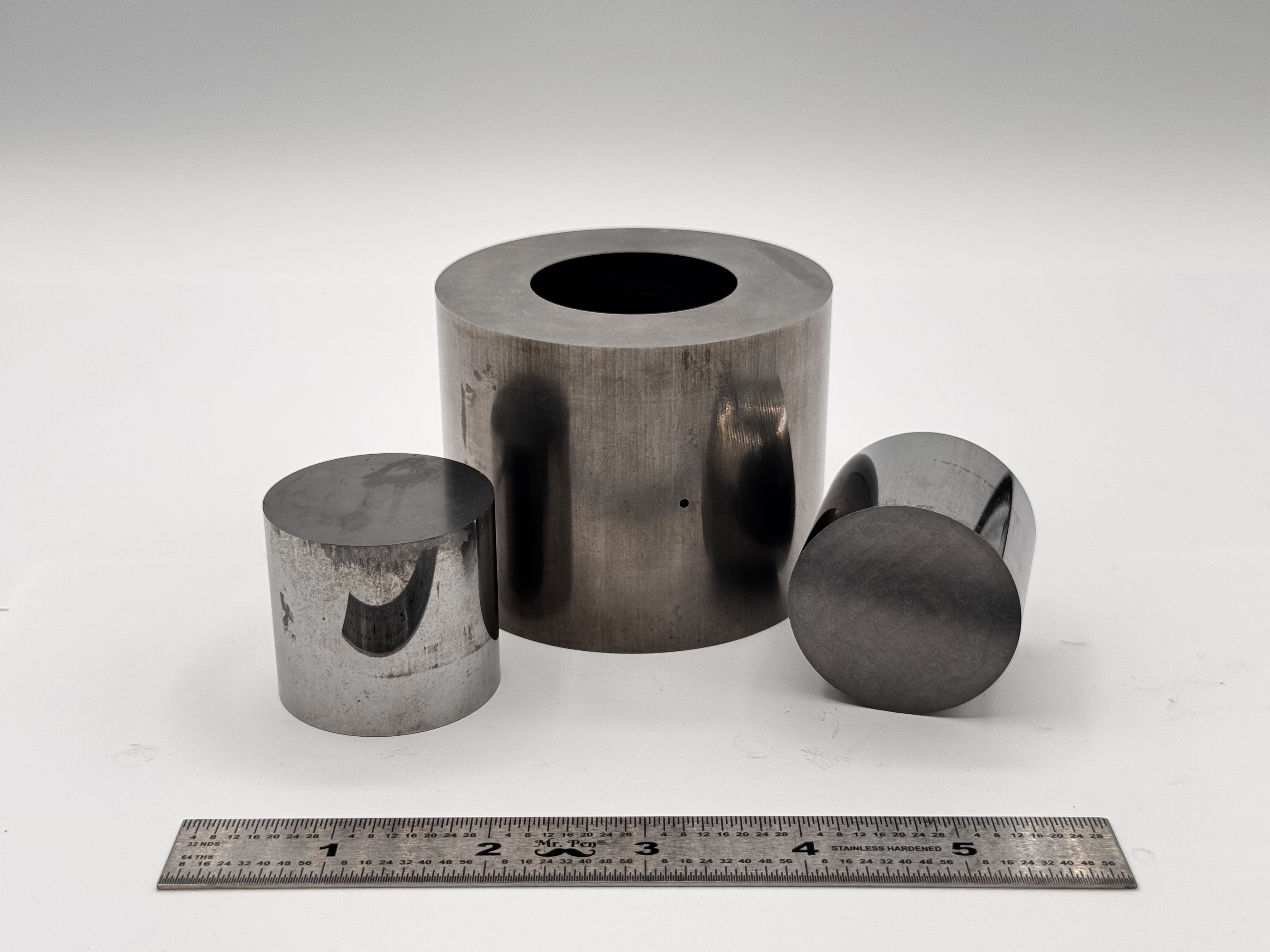 Tungsten Carbide Tooling
 Carbon Graphite Foil / Paper
 Carbon Felt and Yarn
 Spark Plasma Sintering Systems
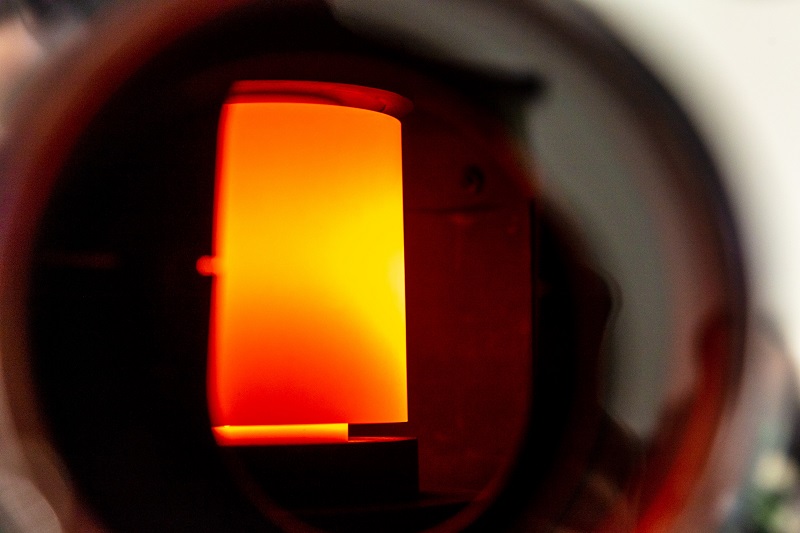 SPS/FAST Modeling Software
Revolutionizing Nanotechnology with High Entropy Alloys
High entropy alloys (HEAs) have emerged as one of the most exciting developments in modern materials science, particularly when combined with the rapidly evolving field of nanotechnology. Defined by their composition—typically five or more elements in near-equiatomic ratios—HEAs challenge traditional alloy design, which usually relies on one primary element with minor additions. Instead, HEAs leverage compositional complexity to produce unique atomic structures and exceptional properties.
When these alloys are engineered at the nanoscale, their capabilities are significantly amplified. Nanotechnology enables precise control over grain size, surface area, and atomic arrangement, unlocking new levels of performance in applications ranging from catalysis to energy systems and advanced manufacturing.
Understanding High Entropy Alloys
Traditional alloys are typically based on one dominant element—for example, iron in steel or aluminum in aerospace alloys. In contrast, HEAs consist of multiple principal elements, often in equal or near-equal proportions. This leads to several defining characteristics:
- High configurational entropy, which stabilizes simple solid solution phases (such as FCC or BCC structures)
- Severe lattice distortion, caused by differences in atomic sizes
- Sluggish diffusion, which slows atomic movement
- The “cocktail effect”, where multiple elements interact synergistically to produce enhanced properties
These factors combine to create materials with exceptional strength, thermal stability, corrosion resistance, and in some cases, unique electronic or catalytic behavior.
Why Nanotechnology Enhances HEAs
Nanotechnology focuses on manipulating materials at the nanometer scale (typically 1–100 nm). At this scale, materials exhibit properties that differ significantly from their bulk counterparts due to:
- Increased surface-to-volume ratio
- Quantum effects
- Enhanced grain boundary interactions
When HEAs are engineered into nanostructures—such as nanoparticles, thin films, or nanocrystalline solids—their intrinsic advantages become even more pronounced.
Key benefits include:
- Greater catalytic activity due to increased surface area
- Higher strength through grain boundary strengthening
- Improved thermal and chemical stability
- Tailored functional properties through precise compositional control
Catalysis: A Leading Application of HEA Nanomaterials
One of the most impactful uses of high entropy alloys in nanotechnology is in catalysis. HEA nanoparticles provide a diverse array of atomic sites, making them highly effective for complex chemical reactions.
Hydrogen Production and Water Splitting
HEA nanoparticles are increasingly used as catalysts in electrochemical reactions such as hydrogen evolution (HER) and oxygen evolution (OER). Their multi-element composition allows for:
- Optimized binding energies for reaction intermediates
- Reduced reliance on expensive noble metals
- Enhanced durability under harsh operating conditions
For example, HEAs containing platinum, nickel, cobalt, and other transition metals have demonstrated superior performance compared to single-metal catalysts in fuel cells.
CO₂ Reduction and Environmental Applications
HEA nanocatalysts are also being explored for carbon dioxide reduction, a key process in mitigating climate change. Their tunable surface chemistry enables selective conversion of CO₂ into useful chemicals such as methane, ethanol, or carbon monoxide.
Nanostructured Coatings and Thin Films
High entropy alloys are widely used in the form of thin films and nanocoatings, particularly in environments that demand extreme durability.
Wear and Corrosion Resistance
HEA coatings applied at the nanoscale provide:
- Exceptional resistance to abrasion and wear
- Strong protection against oxidation and corrosion
- Stability at elevated temperatures
These properties make them ideal for:
- Aerospace components exposed to high heat and stress
- Industrial tooling and cutting surfaces
- Marine and chemical processing environments
Microelectronics and Semiconductor Protection
In microelectronics, nanoscale HEA coatings are used to protect components from degradation. Their stability and resistance to diffusion help maintain performance in devices where even minor material changes can lead to failure.
Nanocrystalline Structural Materials
When HEAs are processed into nanocrystalline structures, their grain sizes are reduced to the nanometer scale. This significantly enhances mechanical performance.
Strength and Toughness
According to materials science principles, reducing grain size increases strength due to grain boundary strengthening (Hall–Petch effect). In HEAs, this effect is combined with lattice distortion and multi-element interactions, resulting in:
- Extremely high yield strength
- Improved fracture toughness
- Resistance to deformation under stress
Applications in MEMS and NEMS
These properties are particularly valuable in micro- and nano-electromechanical systems (MEMS/NEMS), where materials must withstand mechanical loads while maintaining precision at very small scales.
Energy Storage and Conversion Technologies
Energy systems are another major area where HEAs are making an impact at the nanoscale.
Battery Electrodes
HEAs are being explored as electrode materials in lithium-ion and next-generation batteries. Their advantages include:
- Enhanced resistance to volume expansion during charge/discharge cycles
- Improved cycling stability
- Potential for higher energy density
Nanostructured HEAs provide shorter diffusion paths for ions, improving charge rates and overall efficiency.
Supercapacitors and Hybrid Systems
In supercapacitors, HEA nanomaterials offer high surface area and conductivity, enabling rapid energy storage and release. Their durability also contributes to longer operational lifespans.
Radiation-Resistant Nanomaterials
One of the unique advantages of high entropy alloys is their ability to withstand radiation damage.
Defect Management at the Nanoscale
Radiation exposure typically creates defects in materials, leading to swelling, embrittlement, or failure. HEAs mitigate these effects through:
- Complex atomic environments that disrupt defect formation
- Sluggish diffusion that limits defect migration
- Enhanced recombination of radiation-induced defects
At the nanoscale, these mechanisms are even more effective due to the high density of grain boundaries, which act as sinks for defects.
Applications
- Nuclear reactors
- Spacecraft materials
- Advanced shielding systems
Magnetic and Electronic Nanodevices
Certain HEAs exhibit unique magnetic and electronic properties that can be tuned through composition.
Spintronics
Spintronics is an emerging field that uses the spin of electrons, rather than just their charge, for information processing. HEA nanomaterials are promising in this area because they allow precise control over:
- Magnetic ordering
- Electrical conductivity
- Thermal behavior
Data Storage
HEA thin films are also being explored for high-density magnetic storage systems, where stability and performance at small scales are critical.
Biomedical Nanotechnology
Although still in the early stages, HEAs are gaining attention in biomedical applications.
Biocompatible Coatings
HEA nanocoatings can be applied to medical implants to improve:
- Corrosion resistance in bodily fluids
- Mechanical durability
- Longevity of implants
Antibacterial Surfaces
Some HEA compositions exhibit antimicrobial properties, making them suitable for use in surgical tools or hospital environments where infection control is critical.
Manufacturing HEAs at the Nanoscale
Producing high entropy alloys in nanostructured forms requires advanced processing techniques. Some of the most common methods include:
- Mechanical alloying, which uses high-energy ball milling to create nanostructured powders
- Sputtering and vapor deposition, for thin films and coatings
- Field-assisted sintering (FAST/SPS), which consolidates powders into dense nanostructured materials
- Additive manufacturing, enabling complex geometries and controlled microstructures
These techniques allow precise control over composition and structure, which is essential for optimizing performance in nanotechnology applications.
Challenges and Future Outlook
Despite their promise, HEAs in nanotechnology face several challenges:
- Complex design space: With many elements involved, predicting optimal compositions can be difficult
- Cost considerations: Some HEAs include expensive elements like platinum or cobalt
- Scalability: Producing nanostructured HEAs at industrial scale remains a challenge
However, advances in computational materials science, machine learning, and high-throughput experimentation are accelerating the development of new HEA systems.
Conclusion
High entropy alloys represent a paradigm shift in materials engineering, and their integration with nanotechnology is unlocking unprecedented capabilities. By combining compositional complexity with nanoscale control, HEAs offer:
- Superior mechanical strength and durability
- Enhanced catalytic efficiency
- Improved resistance to extreme environments
- Tunable electronic and magnetic properties
As research continues and manufacturing methods improve, HEAs are poised to play a critical role in next-generation technologies, from clean energy systems to advanced aerospace materials and beyond.
For companies working in advanced materials processing—such as those specializing in field-assisted sintering or custom nanostructured fabrication—high entropy alloys offer a powerful opportunity to deliver cutting-edge solutions across a wide range of industries.