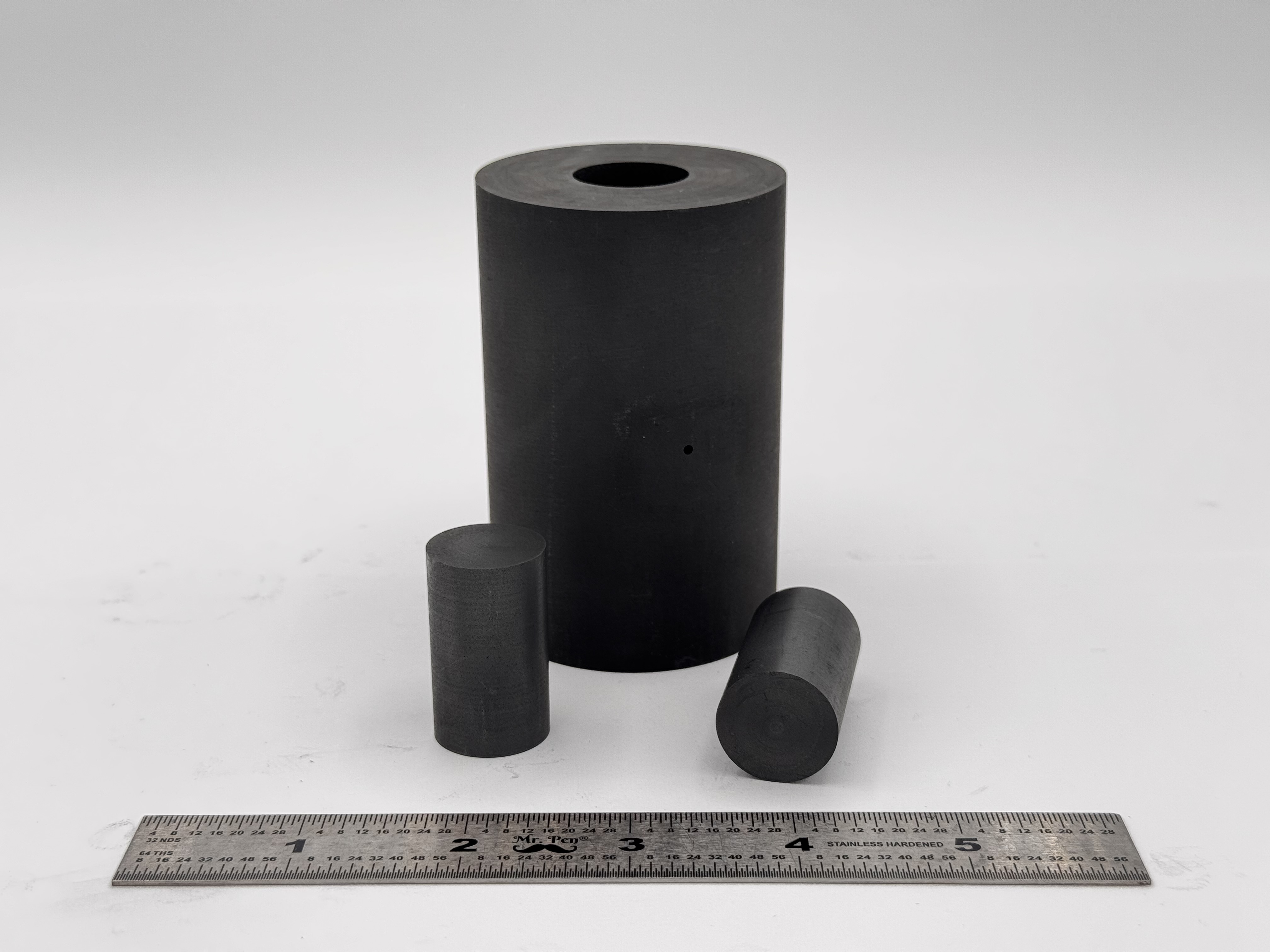
 High Strength SPS Graphite Tooling
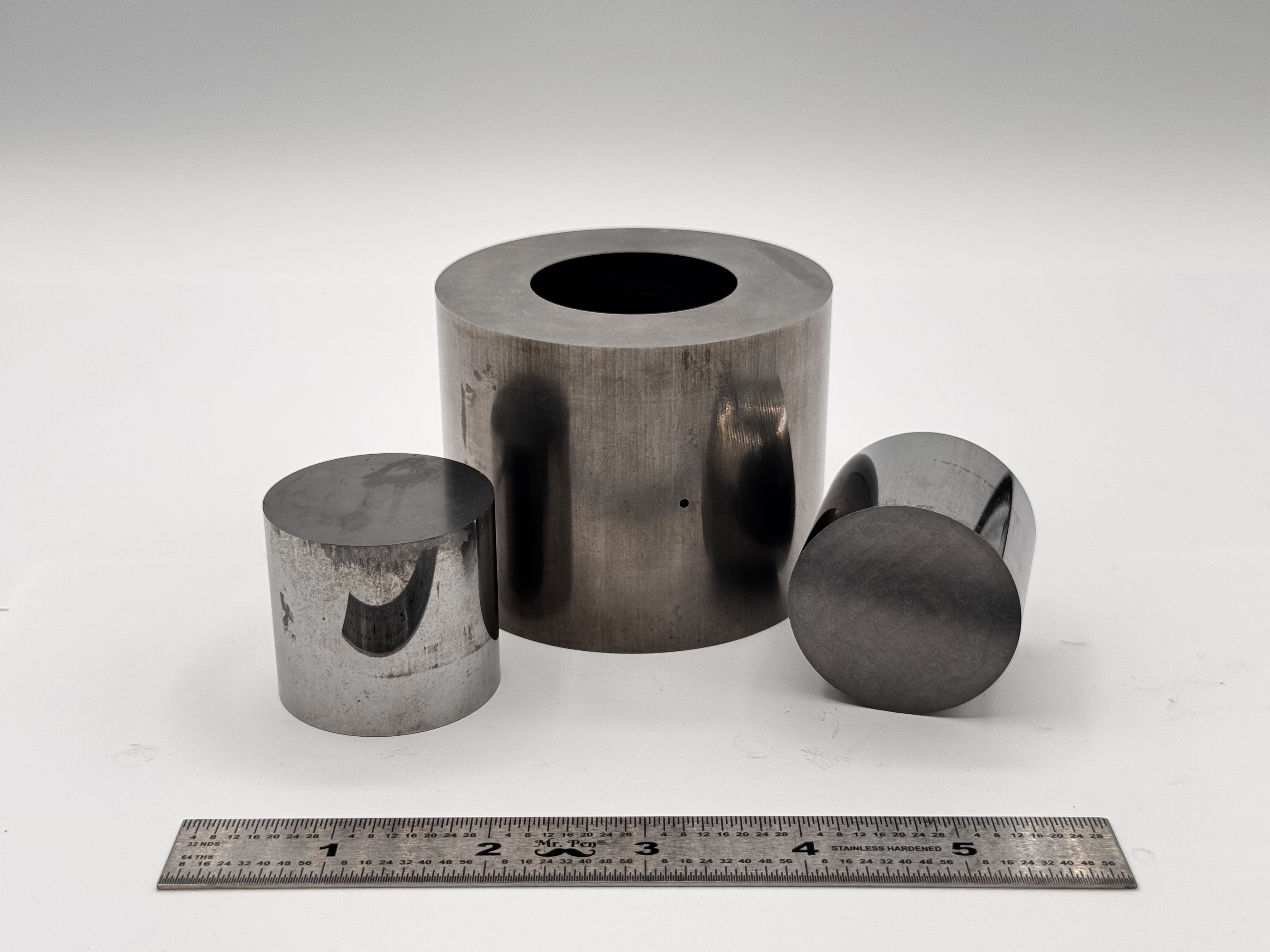 Tungsten Carbide Tooling
 Carbon Graphite Foil / Paper
 Carbon Felt and Yarn
 Spark Plasma Sintering Systems
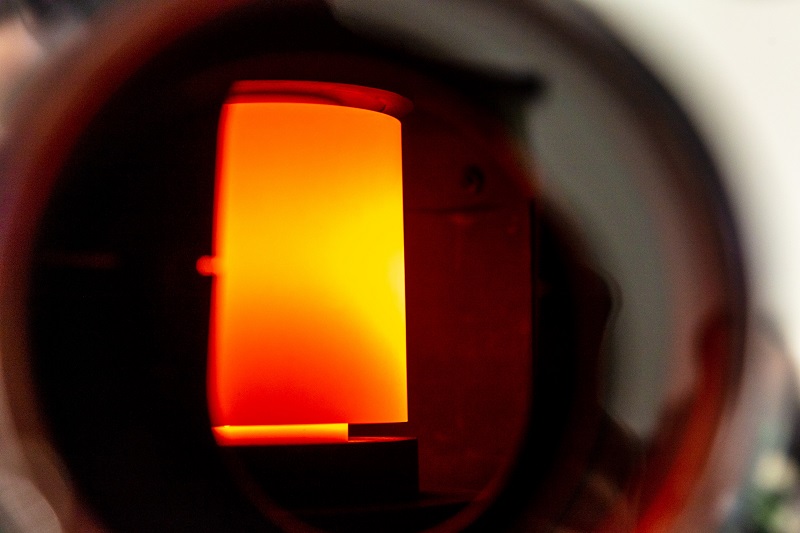 SPS/FAST Modeling Software
How Powdered Metals Enable Breakthroughs in Nanotechnology
Nanotechnology has transformed the way scientists and engineers design materials. By manipulating matter at extremely small scales—typically between 1 and 100 nanometers—researchers can create materials with properties that are dramatically different from their conventional counterparts. One of the most important building blocks enabling these innovations is powdered metal.
Metal powders, especially those refined to extremely small particle sizes, allow engineers to produce nanoparticles, nanocomposites, and nanostructured bulk materials that power technologies ranging from medical devices to aerospace systems. When paired with advanced consolidation methods such as field-assisted sintering (FAST) or spark plasma sintering (SPS), powdered metals become the foundation for some of the most advanced materials used in modern engineering.
Why Metal Powders Matter at the Nanoscale
Metals behave very differently when their particles are reduced to extremely small sizes. At the nanoscale, materials begin to exhibit properties that cannot be observed in larger, bulk materials.
This happens for several reasons:
- Increased surface area: Smaller particles have significantly more surface area relative to their volume, which enhances chemical and catalytic reactions.
- Quantum effects: Electrical, optical, and magnetic properties can change dramatically when particle sizes shrink to nanometer levels.
- Improved reactivity: Nanoparticles often react faster and more efficiently in chemical processes.
Because powdered metals can be produced in extremely fine particle sizes, they serve as an ideal starting point for manufacturing nanotechnology-based materials.
Common metals used in nanopowder form include:
- Gold
- Silver
- Copper
- Nickel
- Titanium
- Aluminum
- Platinum
These powders can be engineered to create highly specialized materials used in medicine, electronics, energy systems, and advanced manufacturing.
Metal Nanoparticles and Their Applications
One of the most widely known applications of powdered metals in nanotechnology is the creation of metal nanoparticles. These particles are produced through processes such as chemical synthesis, mechanical milling, or atomization.
Because nanoparticles possess unique physical and chemical properties, they are widely used in advanced technologies.
Medical and Biological Applications
Metal nanoparticles are increasingly used in healthcare and biotechnology. For example, silver nanoparticles are widely recognized for their antimicrobial properties and are used in:
- Medical device coatings
- Antibacterial textiles
- Wound dressings
Gold nanoparticles are also used in drug delivery systems and advanced diagnostic tools because they can interact with biological systems at extremely small scales.
Sensors and Electronics
Nanoparticles are also essential for modern electronics and sensing technologies. Metal nanoparticle-based materials can be used in:
- Biosensors
- Chemical detection systems
- High-sensitivity electronics
Their enhanced electrical and chemical properties allow devices to detect signals that would otherwise be impossible to measure.
Powder Metallurgy and Nanostructured Materials
While nanoparticles are useful on their own, engineers often need to transform powders into solid materials while maintaining nanoscale features. This is achieved through powder metallurgy, a manufacturing method that consolidates powdered materials into dense components.
Traditional powder metallurgy involves:
- Producing metal powders
- Compacting the powders into a mold
- Heating them to bond the particles together through sintering
However, conventional sintering methods often expose powders to high temperatures for extended periods, which causes grain growth. This destroys the nanoscale structure and eliminates many of the advantages associated with nanomaterials.
To overcome this challenge, advanced processes such as field-assisted sintering technology (FAST)—also known as spark plasma sintering (SPS)—have been developed.
Field-Assisted Sintering: A Key Technology for Nanomaterials
Field-assisted sintering is one of the most powerful methods for transforming powdered metals into dense nanostructured materials. The process combines pressure, electric current, and rapid heating to consolidate powders in minutes rather than hours.
The FAST/SPS process typically follows several steps.
Powder Loading
The process begins with fine or nanopowders placed into a graphite die. These powders may consist of pure metals, alloys, ceramics, or composite mixtures.
Pressure Application
Mechanical pressure—often between 20 and 100 MPa—is applied to the powder compact. This pressure improves particle contact and helps eliminate voids during densification.
Pulsed Electric Current
A high-intensity pulsed direct current passes through the graphite die and sometimes through the powder itself. This generates Joule heating, rapidly raising the temperature of the material.
Heating rates can reach 100 to 1000°C per minute, far faster than conventional furnace-based sintering.
Rapid Densification
The combination of heat and pressure causes powder particles to bond through diffusion and localized surface melting. Because the process occurs so quickly, grain growth is minimized, allowing the material to retain its nanoscale structure.
The result is a dense solid with nanostructured grains, often achieving greater than 99% theoretical density.
Preserving Nanostructures for Superior Performance
One of the greatest challenges in nanomaterial manufacturing is preserving nanoscale grain sizes during consolidation. FAST/SPS technology excels in this area because the short processing times prevent the grains from growing significantly.
Nanostructured materials produced using this method often exhibit:
- Increased strength
- Improved wear resistance
- Enhanced thermal stability
- Superior electrical conductivity
In many cases, nanostructured materials can be two to five times stronger than conventional materials made from the same composition.
Advanced Materials Enabled by Powder-Based Nanotechnology
Powdered metals combined with advanced sintering methods enable the production of a wide range of high-performance materials.
Nanostructured Tungsten
Tungsten is widely used in extreme environments because of its high melting point and durability. When processed into nanostructured form, tungsten becomes even more resistant to high temperatures and radiation.
Applications include:
- Fusion energy systems
- Plasma-facing components
- Aerospace technologies
Aluminum Nanocomposites
Lightweight aluminum alloys can be strengthened by incorporating nanoscale reinforcements. These materials are used in industries that demand both strength and weight reduction, including aerospace and automotive engineering.
Thermoelectric Materials
Nanostructured materials such as bismuth telluride and skutterudites are used in thermoelectric devices that convert heat directly into electricity. Nanostructuring improves their efficiency, allowing waste heat from industrial processes to be converted into usable energy.
Advanced Ceramics
Ceramic materials such as silicon carbide, zirconia, and boron carbide benefit significantly from powder-based nanostructuring. These materials are used in applications that require exceptional hardness and thermal resistance, including armor systems, cutting tools, and semiconductor equipment.
Conductive Inks and Printed Electronics
Another rapidly growing application for metal nanopowders is conductive inks. Metals such as silver and copper can be produced as nanoparticles and suspended in ink formulations that allow circuits to be printed directly onto surfaces.
These inks enable the creation of:
- Flexible electronics
- RFID antennas
- Wearable devices
- Printed solar cells
Because nanoparticles sinter at lower temperatures than larger metal particles, conductive patterns can be printed onto plastics, textiles, or even paper.
Catalysts and Energy Technologies
Nanopowders are also essential in catalytic systems used in energy and chemical processing.
Examples include:
- Platinum nanoparticles in hydrogen fuel cells
- Nickel nanoparticles in hydrogen production processes
- Palladium nanoparticles in advanced chemical synthesis
Because catalytic reactions occur on material surfaces, the high surface area of nanoparticles significantly improves performance while reducing the amount of expensive metal required.
Nanocomposites and Multifunctional Materials
Metal nanopowders can also be incorporated into polymers or ceramics to form nanocomposites. These materials combine the benefits of multiple material systems to create new functionality.
Nanocomposites can provide:
- Enhanced strength
- Improved thermal conductivity
- Electrical conductivity
- Electromagnetic interference (EMI) shielding
Such materials are increasingly used in aerospace components, battery systems, and advanced electronics.
Accelerating Materials Innovation
One of the most significant advantages of advanced powder processing techniques such as FAST is their ability to dramatically reduce processing times.
Traditional sintering methods may require 10 to 24 hours to produce a fully dense component. In contrast, field-assisted sintering can achieve similar or better results in 5 to 20 minutes.
This rapid processing allows researchers and manufacturers to iterate quickly when developing new materials, accelerating innovation across industries.
The Future of Powder-Based Nanotechnology
Powdered metals have become one of the most important foundations of modern nanotechnology. From antimicrobial coatings and flexible electronics to aerospace materials and energy systems, these powders enable scientists to design materials with unprecedented performance.
As manufacturing techniques continue to improve, advanced processes like field-assisted sintering will make it increasingly feasible to produce bulk nanostructured materials at industrial scale. These developments are expected to drive progress in fields such as:
- clean energy
- advanced electronics
- aerospace engineering
- medical technology
- next-generation manufacturing
By combining the versatility of powdered metals with innovative consolidation technologies, engineers are unlocking new possibilities in materials science—bringing the promise of nanotechnology closer to widespread industrial application.