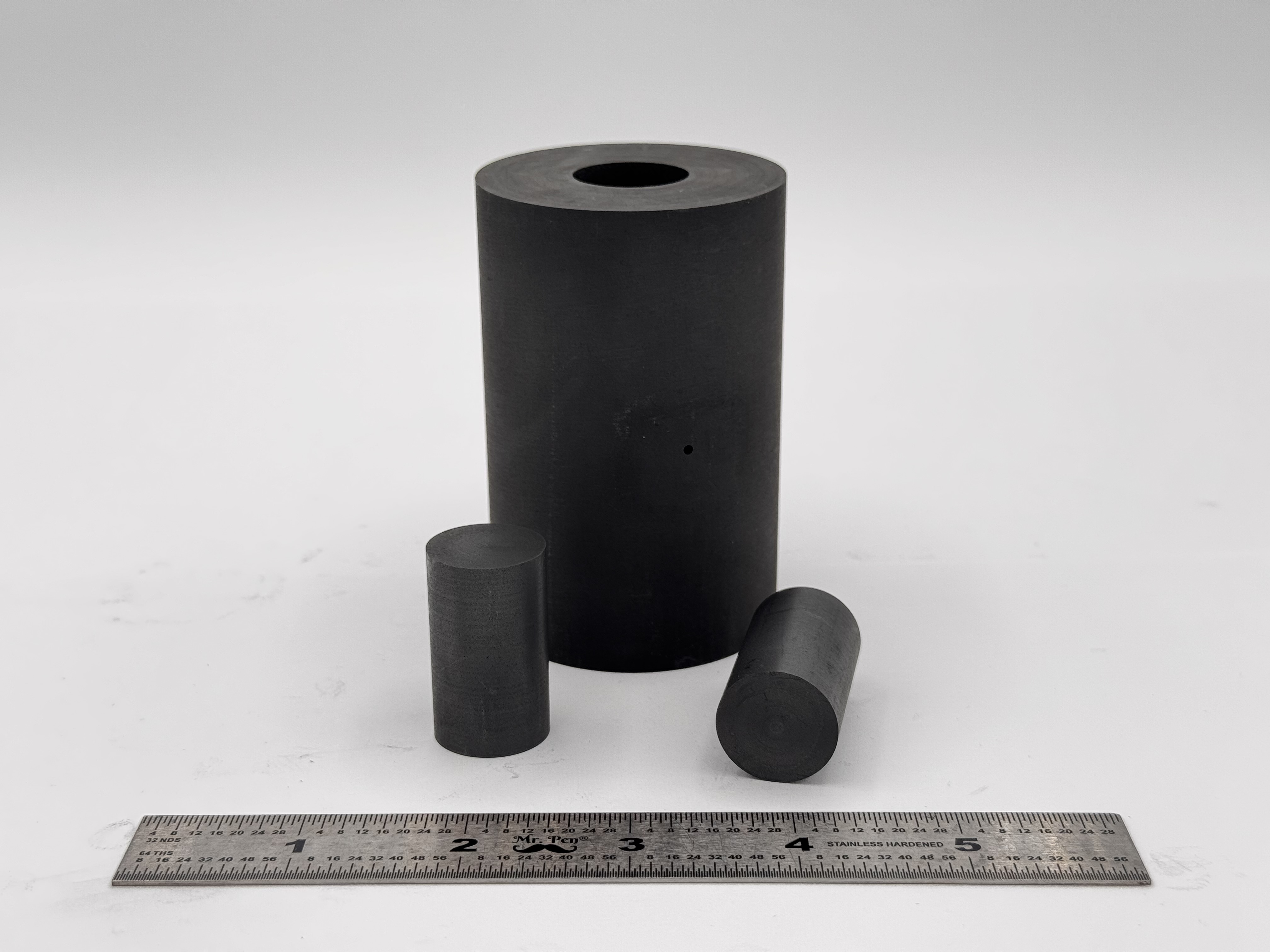
 High Strength SPS Graphite Tooling
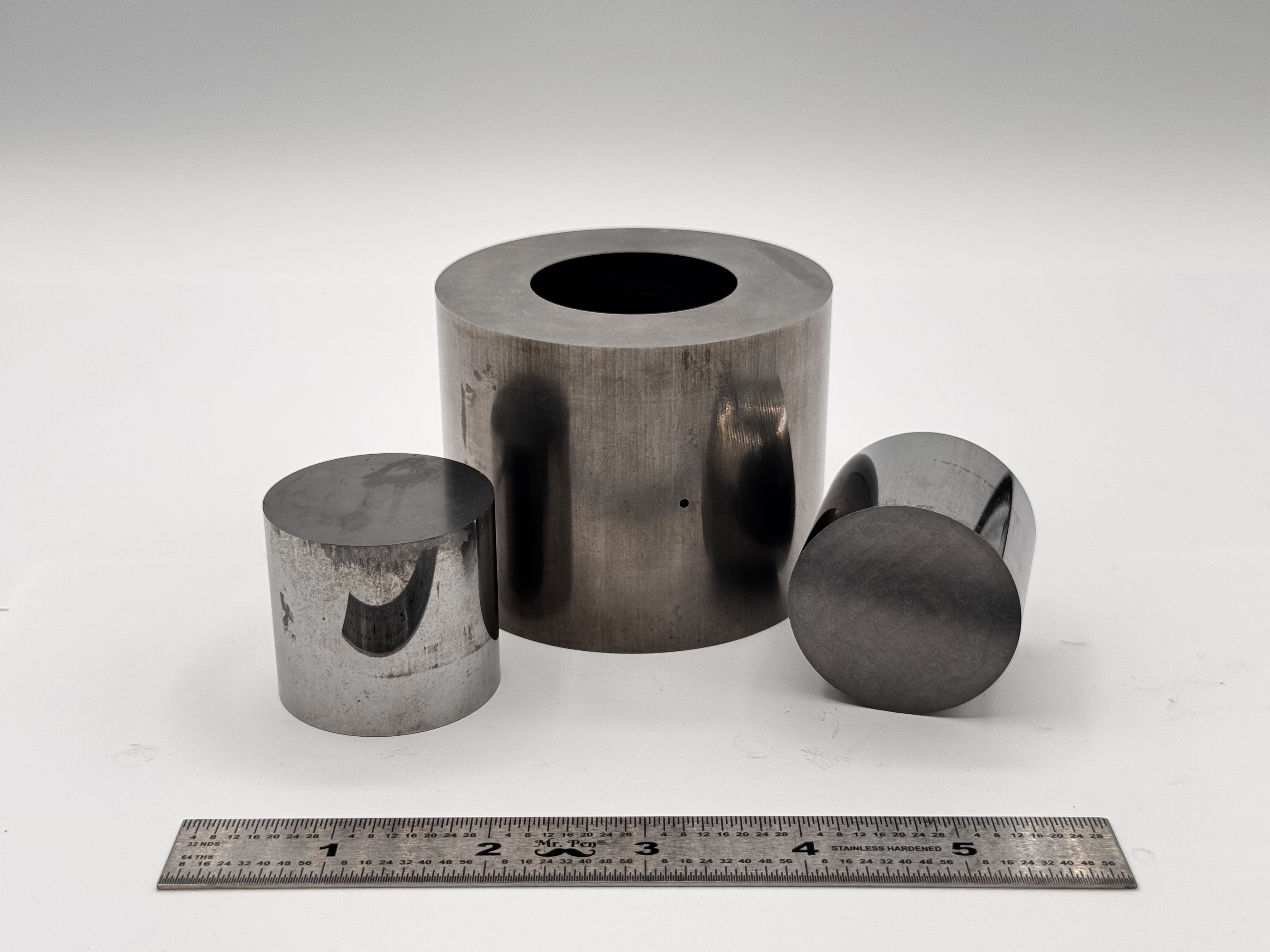 Tungsten Carbide Tooling
 Carbon Graphite Foil / Paper
 Carbon Felt and Yarn
 Spark Plasma Sintering Systems
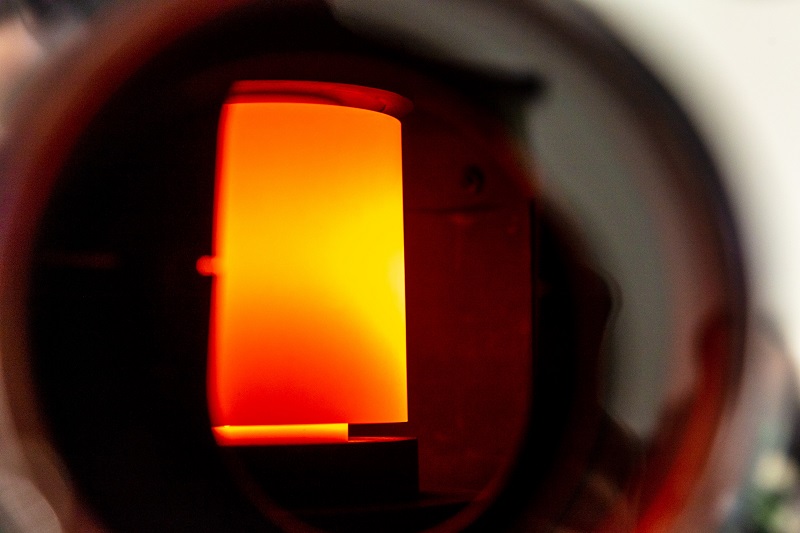 SPS/FAST Modeling Software
Spark Plasma Sintering Services: Accelerating the Future of Advanced Materials
In the world of advanced materials engineering, the difference between a breakthrough product and a failed prototype often comes down to microstructure, density, and processing precision. As industries demand stronger, lighter, more conductive, and more temperature-resistant materials, conventional manufacturing methods are increasingly pushed to their limits.
This is where Spark Plasma Sintering (SPS) services come into play.
Also known as Field Assisted Sintering Technology (FAST) or Pulsed Electric Current Sintering (PECS), SPS represents one of the most advanced powder consolidation technologies available today. By combining uniaxial pressure with pulsed direct current, SPS enables rapid densification of metals, ceramics, composites, and nanomaterials in a fraction of the time required by traditional methods.
For companies developing next-generation materials, SPS services provide a powerful tool for innovation, rapid prototyping, and precision engineering.
What Is Spark Plasma Sintering?
Spark Plasma Sintering is an advanced powder metallurgy process used to consolidate powdered materials into dense solid components. Unlike conventional sintering methods that rely solely on external furnace heating, SPS introduces pulsed DC electrical current directly through the die—and often through the material itself—while simultaneously applying mechanical pressure.
This unique combination results in:
- Rapid internal heating via Joule heating
- Extremely high heating rates (often 100–1000°C per minute)
- Lower required sintering temperatures
- Short cycle times (often 5–20 minutes)
- Minimal grain growth
The result is highly dense components with controlled microstructures that would be difficult or impossible to achieve using traditional sintering processes.
How SPS Works
The SPS process typically follows these steps:
- Powdered material is loaded into a conductive die, usually made of graphite.
- Uniaxial pressure is applied to the powder.
- Pulsed direct current passes through the die and/or material.
- Rapid internal heating occurs.
- Densification happens in minutes.
Because the heat is generated internally rather than transferred from an external furnace, the process is dramatically faster and more energy efficient. The electric field also enhances atomic diffusion, allowing densification to occur at lower temperatures compared to conventional methods.
This combination of pressure and electrical energy is what sets SPS apart from both hot pressing and traditional sintering.
Comparing SPS to Traditional Sintering and Hot Pressing
Understanding the value of SPS services requires examining how they compare to other sintering techniques.
Traditional (Pressureless) Sintering
Traditional sintering involves heating a pre-compacted “green body” in a furnace without applied pressure. Densification occurs purely through thermal diffusion over extended periods.
Characteristics:
- Slow heating rates
- Long cycle times (4–24+ hours)
- Higher required temperatures
- Significant grain growth
- Moderate final density
Traditional sintering remains the most cost-effective method for high-volume production of well-established materials. However, it often lacks the precision and microstructure control required for advanced materials development.
Hot Pressing (HP)
Hot pressing improves upon traditional sintering by applying uniaxial pressure during furnace heating.
Characteristics:
- External heating
- Moderate heating rates
- Cycle times of 1–4+ hours
- High final density
- Moderate grain growth
Hot pressing achieves higher density than traditional sintering but still requires extended processing times and higher temperatures compared to SPS.
Spark Plasma Sintering (SPS)
SPS combines pressure with direct electrical heating.
Key advantages:
- Extremely rapid heating
- Short cycle times (often minutes)
- Lower sintering temperatures
- Near-theoretical density
- Minimal grain growth
- Exceptional microstructure control
If traditional sintering is the most scalable and economical, and hot pressing is a middle ground, SPS is the most advanced and precise option—particularly for high-performance or difficult-to-densify materials.
What Spark Plasma Sintering Services Offer
Because SPS equipment is specialized and expensive, many organizations rely on dedicated service providers. These providers typically offer a range of capabilities tailored to research, prototyping, and advanced production needs.
1. Custom Material Development
SPS services are frequently used during R&D phases. Providers work with customers to:
- Optimize sintering parameters
- Conduct densification studies
- Produce proof-of-concept samples
- Refine microstructure targets
- Develop new material systems
This is especially valuable when working with experimental alloys, advanced ceramics, or nanostructured materials.
2. Powder Consolidation for Advanced Materials
SPS services are commonly used to consolidate:
- Titanium alloys
- Aluminum alloys
- Copper and refractory metals
- Alumina, zirconia, silicon carbide
- Ultra-high temperature ceramics
- Metal matrix composites
- Ceramic matrix composites
- Nanomaterials
- Functionally graded materials
SPS excels with materials that are difficult to densify using conventional processes.
3. Rapid Prototyping
One of the greatest strengths of SPS is speed.
With sintering cycles often completed in 5–20 minutes, SPS enables rapid iteration during development. Instead of waiting days for furnace cycles, engineers can test multiple parameter sets in a single day.
For companies developing next-generation aerospace components, energy materials, or electronic substrates, this acceleration can significantly shorten time to market.
4. High-Density, Near-Net-Shape Components
SPS routinely produces near-theoretical density parts with minimal porosity. This is critical for applications requiring:
- High mechanical strength
- Electrical conductivity
- Thermal conductivity
- Structural integrity at extreme temperatures
The ability to achieve high density at lower temperatures also helps preserve fine microstructures and prevent unwanted grain growth.
5. Testing and Characterization Support
Many SPS service providers offer additional support such as:
- Density measurement
- Microstructural analysis
- Mechanical testing
- Thermal property evaluation
- Electrical performance testing
This integrated approach supports comprehensive material qualification.
Why Industries Choose SPS Services
Spark Plasma Sintering services are widely used across advanced industries because they enable material properties that are otherwise difficult to achieve.
Aerospace and Defense
- Lightweight high-strength alloys
- Ultra-high temperature ceramics
- Advanced armor materials
- Thermal barrier systems
SPS allows precise control of microstructure, critical in safety-sensitive applications.
Energy Sector
- Solid oxide fuel cell materials
- Nuclear materials
- Thermoelectrics
- Advanced battery materials
Fast densification and microstructure preservation improve performance and reliability.
Electronics and Electrical Applications
- Conductive composites
- Heat sink materials
- High-performance substrates
SPS enables tight control over density and conductivity.
Research Institutions and Nanotechnology
Because SPS limits grain growth, it is particularly well-suited for nanomaterials. Maintaining nano-scale grain structures is extremely challenging in traditional furnace sintering due to long dwell times and high temperatures.
SPS provides a solution by reducing exposure time and temperature, preserving unique material properties.
When Should a Company Outsource SPS?
Organizations typically seek SPS services when:
- They lack in-house SPS equipment
- They are in early-stage material development
- They need small-batch or prototype production
- They require rapid iteration
- They are working with difficult-to-densify materials
- They need ultra-high density with fine microstructure control
Because SPS machines are capital-intensive and require specialized expertise, outsourcing is often the most practical path.
Advantages and Limitations
While SPS offers significant benefits, it is not always the best choice for every application.
Advantages
- Extremely fast processing
- Lower sintering temperatures
- High final density
- Excellent microstructure control
- Reduced grain growth
- Ideal for nanomaterials
- Efficient R&D cycles
Limitations
- High equipment cost
- Typically limited to small-to-medium part sizes
- Less suitable for high-volume mass production
- Tooling constraints due to graphite dies
For large-scale, low-cost production of established materials, traditional sintering may still be preferred. However, for advanced material innovation, SPS is often unmatched.
The Future of Spark Plasma Sintering Services
As industries demand increasingly advanced materials—lighter aerospace components, higher-temperature energy systems, more efficient electronics—the need for precise and efficient densification technologies continues to grow.
Spark Plasma Sintering services are positioned at the forefront of this evolution. The technology enables:
- Shorter development cycles
- Higher performance materials
- Greater microstructural control
- More efficient use of energy
- Expanded possibilities in composite and functionally graded materials
With ongoing advancements in equipment design and scalability, SPS is becoming more accessible to industrial applications beyond research labs.
Conclusion
Spark Plasma Sintering services represent one of the most powerful tools available for advanced materials development. By combining pulsed electrical current with applied pressure, SPS achieves rapid densification, lower processing temperatures, and exceptional microstructure control.
Compared to traditional sintering and hot pressing, SPS offers unmatched speed and precision—making it ideal for research, prototyping, and high-performance applications.
While it may not replace conventional sintering in large-scale production, SPS continues to redefine what is possible in powder consolidation. For companies pushing the boundaries of materials science, partnering with an experienced SPS service provider can be the key to transforming innovative concepts into high-performance reality.
In an era where materials define technological progress, Spark Plasma Sintering services are accelerating the future—one pulse at a time.