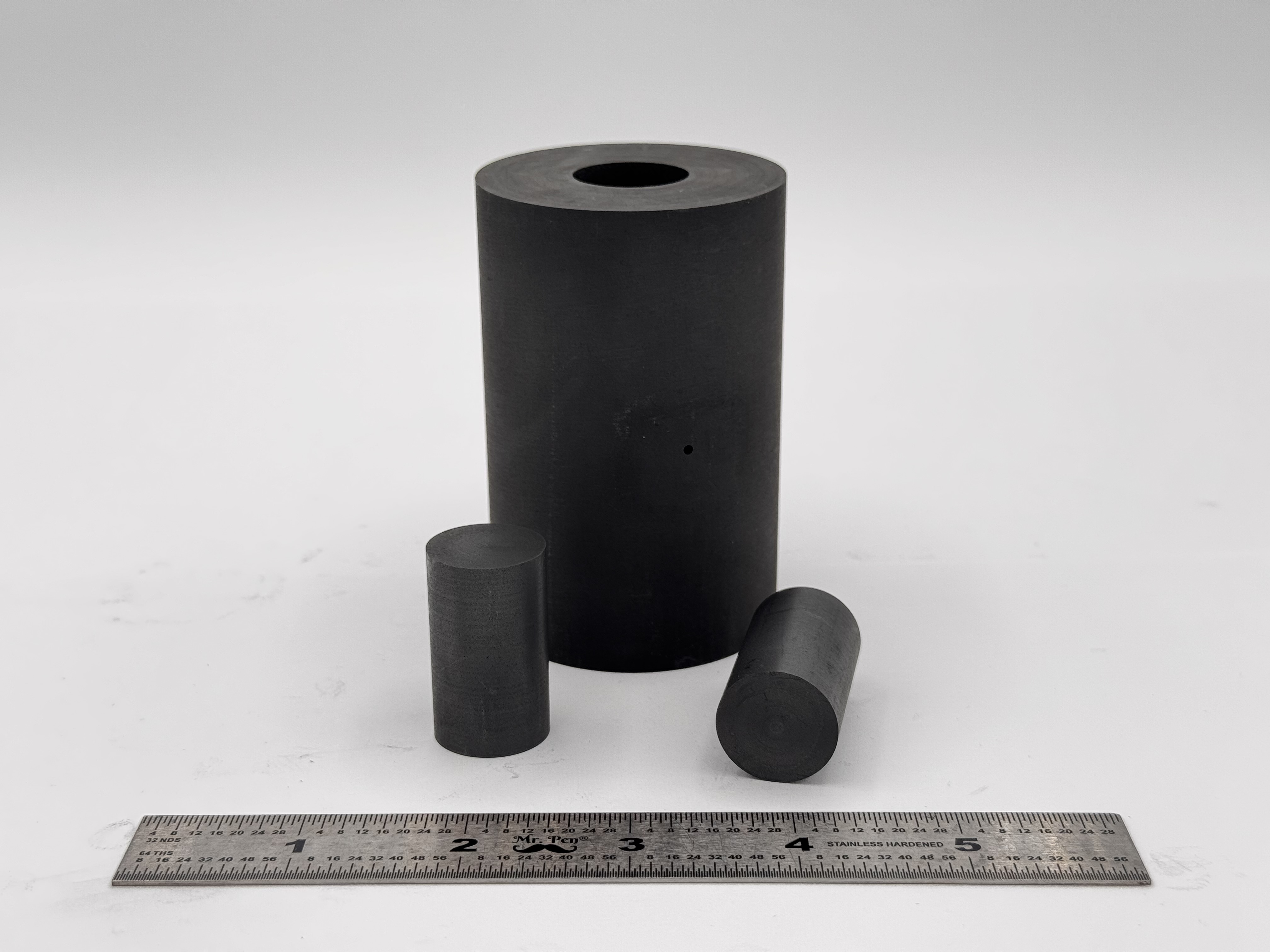
 High Strength SPS Graphite Tooling
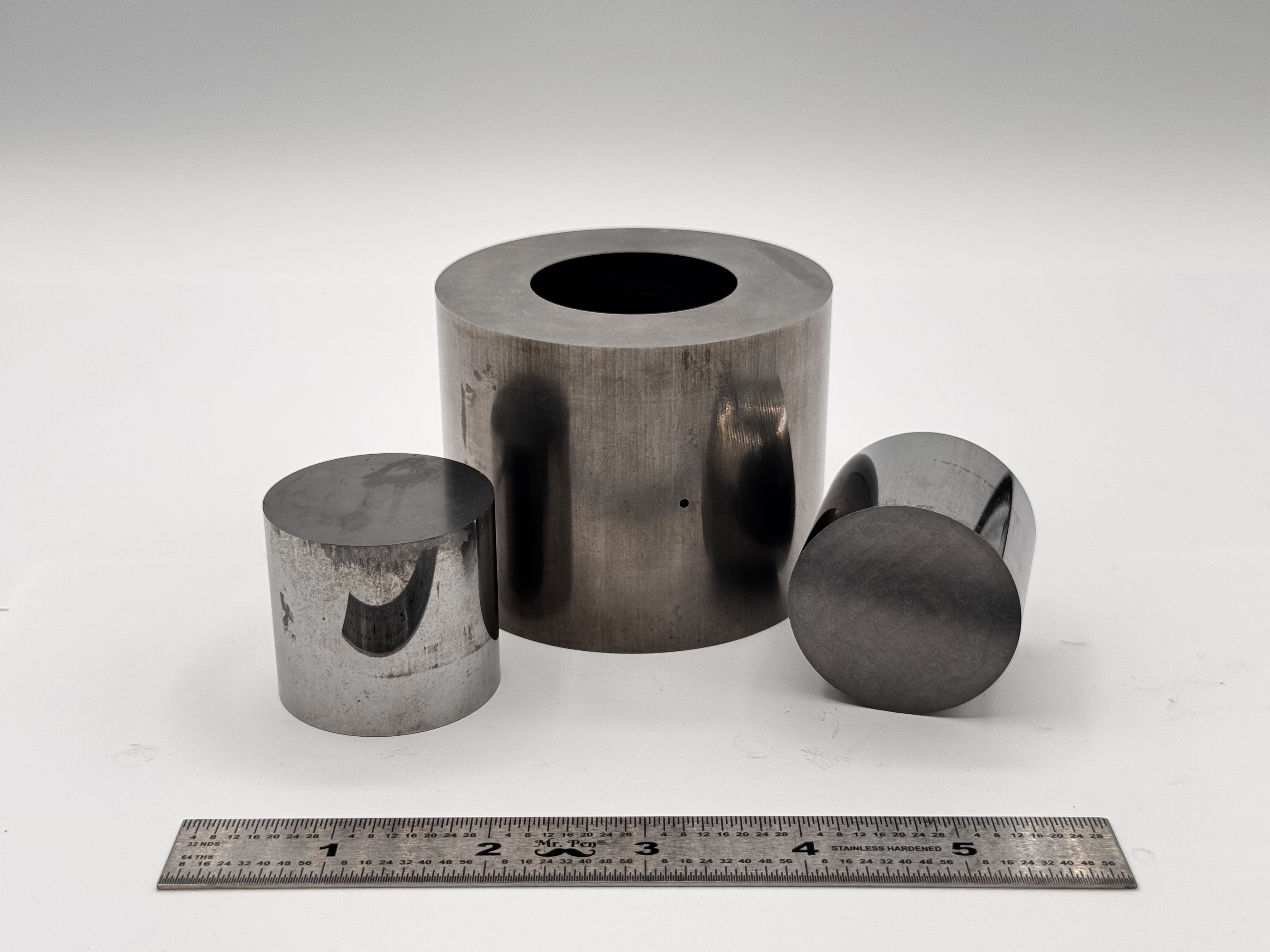 Tungsten Carbide Tooling
 Carbon Graphite Foil / Paper
 Carbon Felt and Yarn
 Spark Plasma Sintering Systems
 SPS/FAST Modeling Software
The Hidden Power of Vacuum Brazing: Why It’s Transforming Nanotechnology and Advanced Materials Engineering
In nanotechnology, innovation often hinges on more than groundbreaking research—it relies on the ability to build, assemble, and join components at exceptional levels of precision. Whether developing next-generation sensors, high-performance composites, thermal management systems, or specialized scientific equipment, companies in the nanotech sector depend on manufacturing processes that protect material purity while delivering unmatched accuracy. One such process, vacuum brazing, has quietly become a cornerstone of high-tech manufacturing.
While often overshadowed by more familiar techniques like welding or adhesive bonding, vacuum brazing offers capabilities that directly support the strict requirements of nano-scale science and engineering. From creating ultra-clean joining environments to enabling the use of exotic alloys and micro-scale components, vacuum brazing provides structural and thermal advantages that are reshaping what’s possible in nanotechnology.
What Is Vacuum Brazing? A Quick Overview
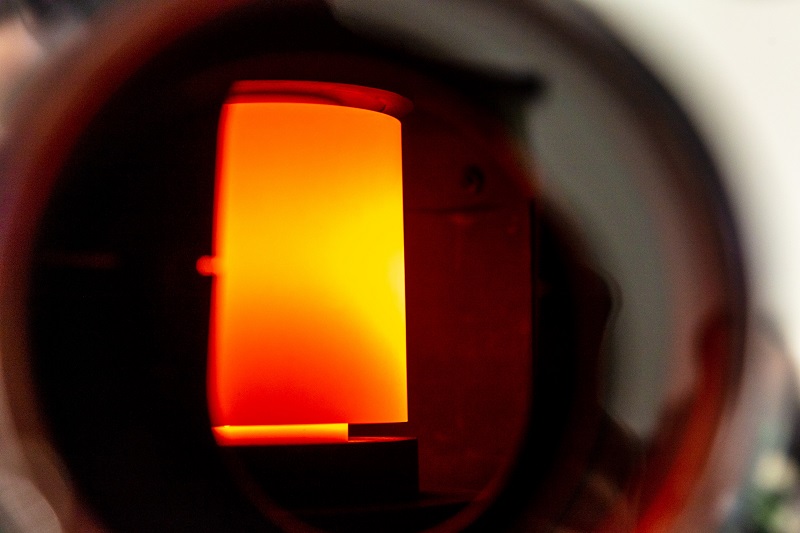
Vacuum brazing is a metal-joining process in which parts are heated inside a vacuum-sealed furnace. A filler metal—also called a brazing alloy—melts and flows into the joint through capillary action, bonding the components together. Unlike welding, the base materials never reach their melting point. This prevents distortion, maintains dimensional accuracy, and produces joints that are often stronger than the base metals themselves.
The “vacuum” is the key to the entire process. By removing oxygen and moisture, the system eliminates oxidation and contamination, allowing the filler metal to flow cleanly and evenly. The result is a flux-free, residue-free, oxide-free bond—something nearly impossible to achieve with other joining methods.
For companies creating highly specialized or sensitive components, such as those in the nanotechnology sector, these clean and controlled conditions are invaluable.
Why Nanotechnology Requires Better Joining Methods
Nanotechnology sits at the intersection of physics, chemistry, material science, and mechanical engineering. Many of its advancements depend on the ability to fabricate and assemble materials with precise characteristics at the micro and nano scale. Unfortunately, traditional joining processes fall short in several key areas:
- Heat distortion can ruin delicate or thin-wall components.
- Contamination can interfere with nano-scale performance.
- Oxides and flux residues compromise chemical, thermal, and electrical behavior.
- Incompatible thermal profiles make it difficult to join advanced materials.
Vacuum brazing addresses each of these challenges, providing an environment where precision assemblies can be created without sacrificing purity or mechanical integrity.
Ultra-Clean, Contamination-Free Joints
Cleanliness is a foundational requirement in nanotechnology. Even microscopic contaminants can compromise:
- electrical conductivity
- chemical stability
- thermal performance
- nano-scale structures
- hermetic seals in sensors and electronic devices
Because vacuum brazing is performed in a sealed, oxygen-free environment, it produces exceptionally clean joints without needing messy or corrosive flux. This means no trapped residues, no unwanted chemical interactions, and no post-processing cleanup. For companies working with nano-engineered materials, purity at this level is essential.
Precision and Dimensional Stability for Micro-Scale Components
Nanotechnology products often incorporate:
- thin foils and substrates
- precise micro-channels
- complex machined components
- miniature housings
- engineered alloy structures
Even slight distortion during joining can ruin an entire assembly. Unlike welding, which can overheat or warp parts, vacuum brazing applies uniform heat throughout the entire structure. This reduces thermal stresses and ensures dimensional stability—perfect for maintaining geometric accuracy in intricate or tiny components.
For devices such as micro-sensors, electron optic assemblies, and specialty research tools, vacuum brazing is often the only joining method that delivers the required level of consistency.
Strong, Hermetic Seals for High-Performance Devices
Many applications in advanced materials and nanotechnology require airtight or vacuum-tight enclosures. These include:
- MEMS and NEMS devices
- laboratory testing chambers
- cryogenic systems
- high-vacuum scientific instruments
- optical and electron-beam systems
A single leak can render a device useless or introduce noise into measurements. Vacuum brazing naturally produces hermetic seals that can withstand extreme pressures and repeated thermal cycling, making it ideal for devices operating in demanding environments.
Compatibility With Advanced and Exotic Materials
Nanotechnology relies heavily on cutting-edge materials that can be difficult or impossible to join through conventional means. These include:
- titanium and titanium alloys
- nickel-based superalloys
- specialized stainless steels
- copper and copper composites
- carbides
- aluminum alloys
- materials engineered with nano-scale reinforcements or grain structures
Vacuum brazing is uniquely suited to these materials because the process provides excellent wetting, stable thermal control, and uniform heating. This makes it possible to reliably join dissimilar metals and cutting-edge materials without degrading their performance.
Superior Thermal Management for High-Tech Systems
Heat management is a constant challenge in nanotechnology. From high-density electronics to experimental energy devices, the ability to control localized heat is crucial. Vacuum brazing supports thermal control in two major ways:
1. Creating High-Performance Cooling Structures
Micro-channel heat exchangers, copper-aluminum cooling plates, and specialized thermal interfaces are commonly vacuum brazed to ensure pure, oxidation-free surfaces and strong bonds.
2. Preserving the Thermal Properties of Advanced Materials
Because oxidation is minimized, materials retain their designed conductivity, emissivity, and structural properties—essential for applications where temperature plays a pivotal role.
Foundational to Scientific and Industrial Equipment
Beyond end products, vacuum brazing is instrumental in producing the equipment used within nanotechnology labs and production environments. Many assemblies in:
- electron microscopes
- plasma equipment
- research furnaces
- high-vacuum test chambers
- diagnostic and analytical instruments
are created using vacuum brazing. These systems require exceptional structural integrity and ultra-clean surfaces, and vacuum brazing helps manufacturers meet these demanding standards.
Why Vacuum Brazing Matters for Companies Like California Nanotechnologies
For organizations pushing the boundaries of material science, vacuum brazing supports advanced engineering initiatives by enabling:
- joining of next-generation alloys
- assembly of precision test fixtures
- creation of high-integrity thermal components
- fabrication of clean, contamination-free prototypes
- production of repeatable, high-performance parts
It also aligns perfectly with the needs of R&D groups that require small-batch or custom configurations with laboratory-grade cleanliness and reliability.
As nanotechnology continues to evolve, the ability to integrate diverse materials and build stable, high-precision structures will only grow in importance. Vacuum brazing provides the manufacturing foundation that makes this level of innovation possible.
Conclusion
Vacuum brazing may not always be top of mind in discussions about nanotechnology, but its contributions are profound. By delivering contamination-free joints, minimal distortion, strong hermetic seals, and compatibility with advanced materials, vacuum brazing enables the creation of next-generation devices, research tools, and high-performance assemblies.
For nanotechnology companies looking to produce the cleanest, strongest, and most precise components possible, vacuum brazing is more than just a joining process—it’s a strategic advantage and a catalyst for innovation.