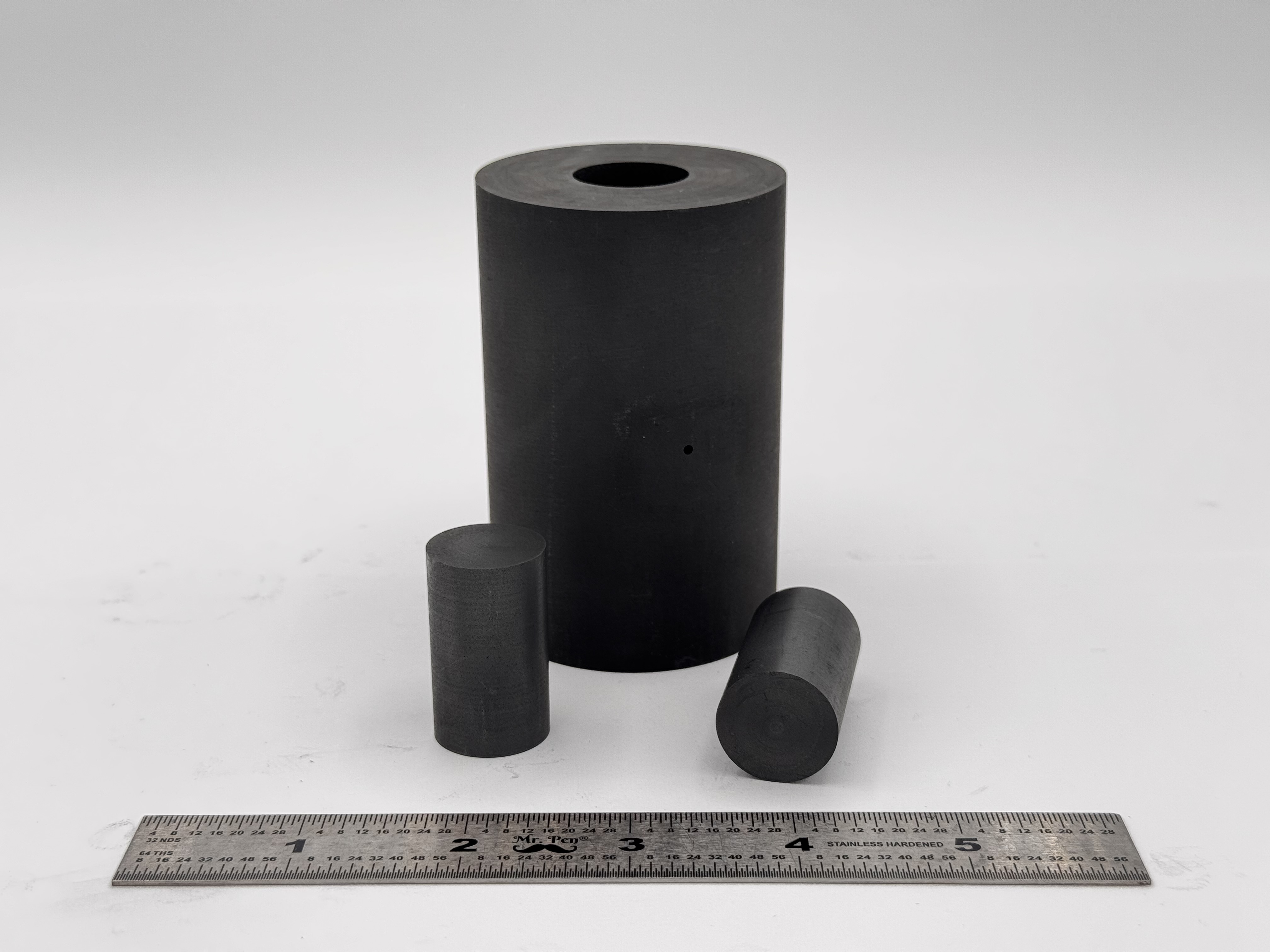
 High Strength SPS Graphite Tooling
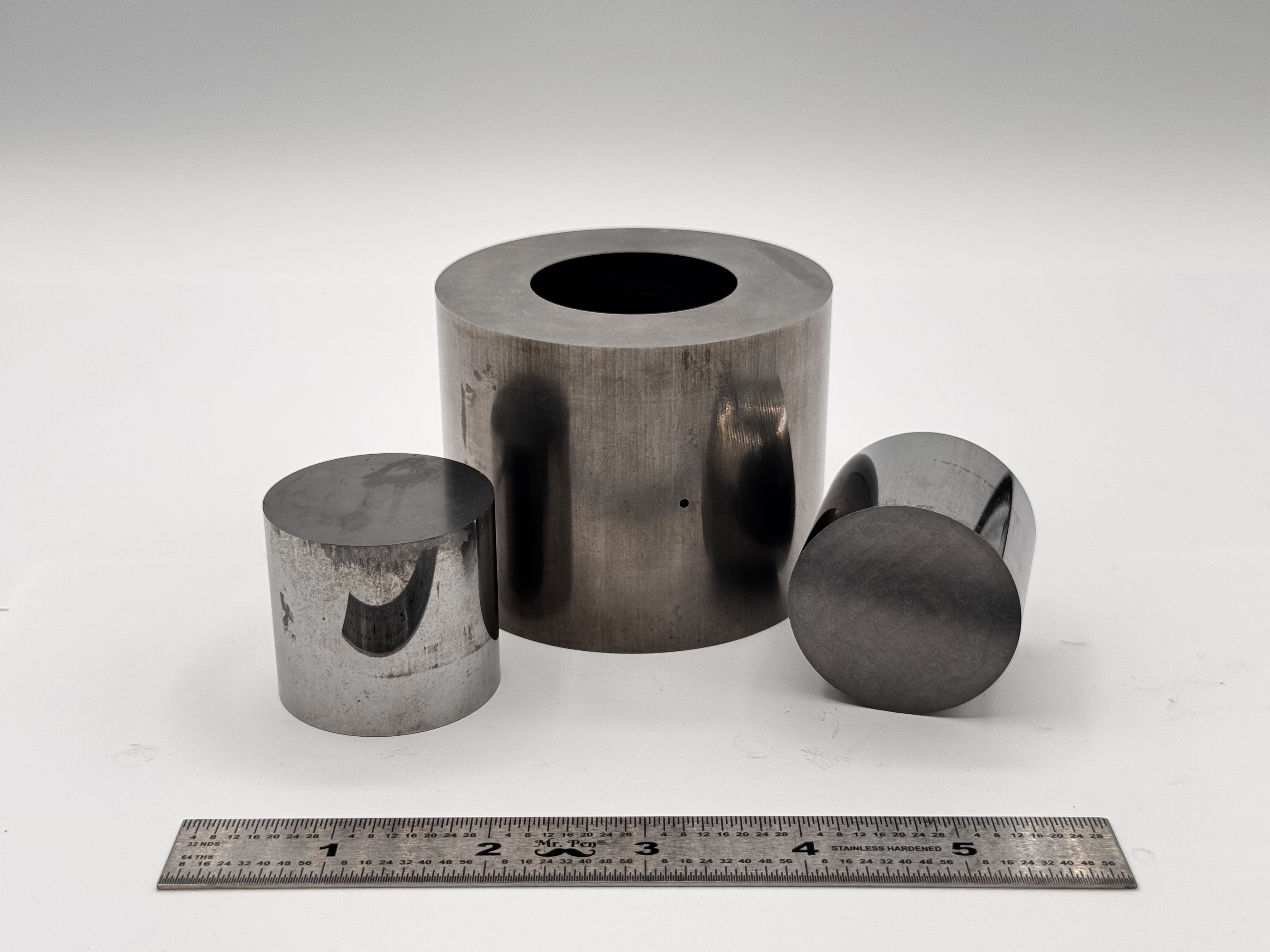 Tungsten Carbide Tooling
 Carbon Graphite Foil / Paper
 Carbon Felt and Yarn
 Spark Plasma Sintering Systems
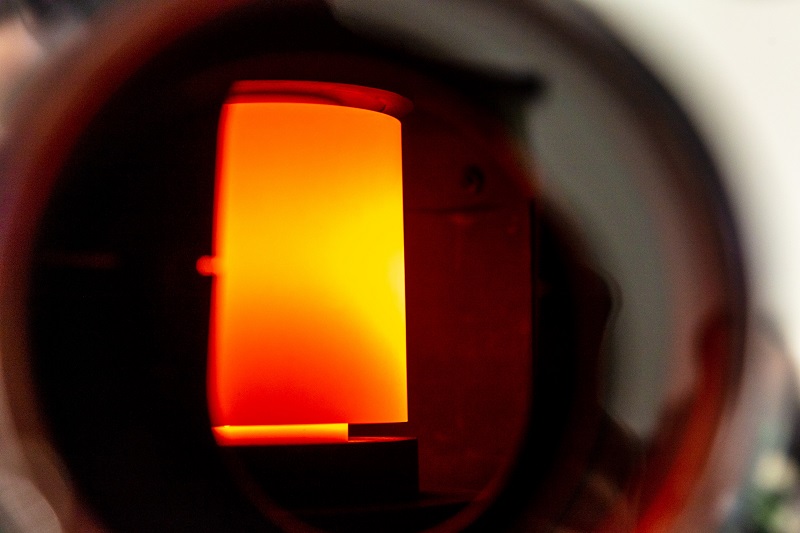 SPS/FAST Modeling Software
How FAST/SPS Is Transforming Diffusion Bonding for Advanced Materials Manufacturing
In modern engineering, the demand for stronger, lighter, and more heat-resistant materials continues to grow across industries such as aerospace, energy, electronics, and advanced manufacturing. However, many of the materials that offer the best performance—such as titanium alloys, tungsten, ceramics, and dissimilar metal combinations—are extremely difficult to weld using conventional methods.
This challenge has led to the increasing adoption of diffusion bonding, a solid-state joining process capable of producing exceptionally strong joints without melting the materials involved. More recently, a powerful variation of this technology known as Field-Assisted Sintering Technology (FAST), also referred to as Spark Plasma Sintering (SPS), has dramatically improved diffusion bonding speeds and expanded the range of materials that can be successfully joined.
By combining heat, pressure, and pulsed electric current, FAST/SPS is helping engineers produce advanced components faster and with better microstructural control than ever before.
Understanding Diffusion Bonding
Diffusion bonding is a solid-state joining process in which two materials are bonded together without melting. Instead of using filler metal like welding or brazing, diffusion bonding relies on atomic diffusion across the interface of two materials held together under heat and pressure.
The process typically follows several key steps:
- Surface Preparation
The bonding surfaces are carefully machined and cleaned to remove contaminants and ensure intimate contact. - Elevated Temperature
Materials are heated to roughly 50–80% of their melting temperature. - Applied Pressure
Moderate pressure keeps the surfaces in close contact, eliminating microscopic gaps. - Atomic Diffusion
At high temperature, atoms migrate across the interface, gradually eliminating the boundary between the two materials.
Over time, the interface effectively disappears and the materials become one continuous solid structure.
Diffusion bonding is widely used to manufacture components that require extremely high structural integrity, including aerospace structures, medical devices, and precision energy system components.
However, conventional diffusion bonding has historically had one major limitation: time.
The Limitations of Conventional Diffusion Bonding
Traditional diffusion bonding processes rely solely on heat and pressure to promote atomic diffusion. While this approach produces high-quality joints, it can be slow.
Typical processing conditions include:
- Temperatures near half to three-quarters of the material’s melting point
- Pressures of 5–20 MPa
- Bonding times of one to four hours or longer
Because atomic diffusion occurs gradually, these long thermal cycles are often necessary to achieve a fully bonded interface.
This extended processing time can lead to several drawbacks:
- Grain growth in the material microstructure
- Increased risk of undesirable intermetallic formation in dissimilar materials
- Higher energy consumption
- Slower production rates
FAST/SPS technology was developed to address these challenges.
What Is FAST/SPS?
Field-Assisted Sintering Technology (FAST)—often called Spark Plasma Sintering (SPS)—is an advanced manufacturing process that uses pulsed direct current, rapid heating, and mechanical pressure to densify or bond materials.
Unlike conventional furnaces, FAST/SPS systems heat materials directly using electrical current, which flows through graphite tooling and sometimes through the sample itself.
This method produces several important advantages:
- Extremely rapid heating rates
- Highly localized heating at material interfaces
- Improved atomic mobility
- Reduced processing times
Together, these factors allow diffusion bonding to occur far more quickly than in traditional systems.
Why FAST/SPS Dramatically Accelerates Diffusion Bonding
Rapid Heating Rates
One of the most significant differences between conventional diffusion bonding and FAST/SPS is the rate at which materials are heated.
Typical heating rates include:
Process: Heating Rate
Conventional furnace: 5–20 °C/min
FAST/SPS:100–1000 °C/min
Because materials can be brought to bonding temperature much more quickly, overall cycle times are dramatically reduced.
A process that might normally require two to four hours can often be completed in five to thirty minutes using FAST/SPS.
Rapid heating also helps preserve fine microstructures and minimize unwanted grain growth.
Electric Current Enhances Atomic Diffusion
FAST/SPS uses pulsed direct current, which introduces additional mechanisms that assist the bonding process.
Electrical current flowing through the system can produce:
- Joule heating at microscopic contact points
- Electromigration of atoms
- Disruption of surface oxide films
These effects make it easier for atoms to cross the interface between materials, accelerating the diffusion process.
Localized Interface Heating
Another key advantage is that electrical current tends to concentrate at microscopic contact points between materials.
This phenomenon generates localized temperature spikes, which enhance diffusion exactly where it is needed—at the bonding interface—while keeping the bulk material at a slightly lower temperature.
The result is faster bonding with reduced thermal stress on the entire component.
Higher Pressure and Improved Contact
FAST/SPS systems typically operate at higher pressures than conventional diffusion bonding processes, often in the range of 20–100 MPa.
This pressure improves bonding by:
- Eliminating microscopic gaps
- Increasing true contact area between surfaces
- Enhancing atomic diffusion pathways
The increased contact is particularly important for hard or brittle materials, such as tungsten or ceramics.
Short Processing Times Prevent Brittle Phase Formation
When dissimilar materials are held at high temperatures for long periods, they may form brittle intermetallic compounds that weaken the joint.
Examples include:
- Titanium and iron forming brittle intermetallic layers
- Titanium and nickel creating undesirable phases
Because FAST/SPS bonding cycles are extremely short, diffusion occurs just long enough to form a strong bond, but not long enough to produce thick brittle layers.
This makes the technology ideal for joining dissimilar materials.
Enabling the Bonding of Materials That Cannot Be Welded
Perhaps the most significant advantage of FAST/SPS diffusion bonding is its ability to join materials that are extremely difficult or impossible to weld.
Traditional welding requires melting and solidification, which can cause severe problems when materials have:
- Very different melting temperatures
- Large thermal expansion differences
- Strong oxide layers
- High melting points
FAST/SPS avoids these issues because it is a solid-state process.
Instead of melting the materials, the process encourages atoms to diffuse across the interface while the materials remain solid.
Examples of Difficult Material Systems
Titanium–Ceramic Combinations
Titanium is widely used in aerospace and biomedical applications, while ceramics provide exceptional thermal resistance and hardness.
However, welding titanium to ceramics is extremely challenging due to their vastly different properties.
FAST/SPS diffusion bonding has successfully joined combinations such as:
- Titanium and aluminum oxide (Al₂O₃)
- Titanium and silicon carbide (SiC)
- Titanium and zirconia (ZrO₂)
These materials are used in applications including thermal protection systems, sensors, and advanced medical implants.
Tungsten and Tungsten Alloys
Tungsten presents another major welding challenge because it has an extremely high melting point of approximately 3420 °C.
This makes conventional welding difficult and often impractical.
FAST/SPS diffusion bonding allows tungsten to be joined with materials such as:
- Copper
- Steel
- Other tungsten alloys
These bonded systems are critical for fusion energy research, plasma-facing components, and high-temperature aerospace systems.
Challenging Metal-to-Metal Combinations
FAST/SPS has also enabled bonding between metal systems that traditionally suffer from cracking or brittle phase formation during welding.
Examples include:
- Titanium and stainless steel
- Nickel superalloys and refractory metals
- Aluminum and steel
Such combinations are increasingly important in lightweight aerospace structures and advanced heat exchangers.
Emerging Applications of FAST/SPS Diffusion Bonding
Because of its speed and versatility, FAST/SPS diffusion bonding is gaining attention across multiple high-technology industries.
Aerospace Engineering
Aerospace manufacturers use the technology to produce:
- Titanium sandwich structures
- Lightweight structural components
- High-temperature turbine materials
The ability to bond dissimilar materials helps engineers design lighter and more heat-resistant aircraft components.
Energy and Nuclear Systems
FAST/SPS is also being explored for energy applications, including:
- Nuclear materials
- Fusion reactor components
- High-temperature heat exchangers
For example, tungsten-based components bonded with copper or steel can provide both thermal conductivity and extreme heat resistance.
Electronics and Semiconductor Packaging
In electronics manufacturing, the process enables hermetic metal-ceramic seals used in sensitive devices.
These bonds must maintain strength and reliability under extreme temperature changes and mechanical stresses.
Microchannel Heat Exchangers
One of the fastest-growing applications is the production of diffusion-bonded microchannel heat exchangers.
These compact devices contain networks of microscopic flow channels that enable extremely efficient heat transfer.
They are increasingly used in:
- Aerospace cooling systems
- hydrogen energy systems
- advanced chemical reactors
The Future of Diffusion Bonding
As materials science continues to evolve, manufacturers are seeking joining technologies capable of working with complex, high-performance materials.
FAST/SPS diffusion bonding offers a powerful solution by combining:
- Rapid heating
- Electric current-assisted diffusion
- High pressure
- Short processing times
Together, these capabilities allow engineers to join materials that were previously incompatible while reducing production time from hours to minutes.
For industries pushing the boundaries of performance—from aerospace and energy to advanced electronics—FAST/SPS is rapidly becoming a key enabling technology for next-generation materials manufacturing.