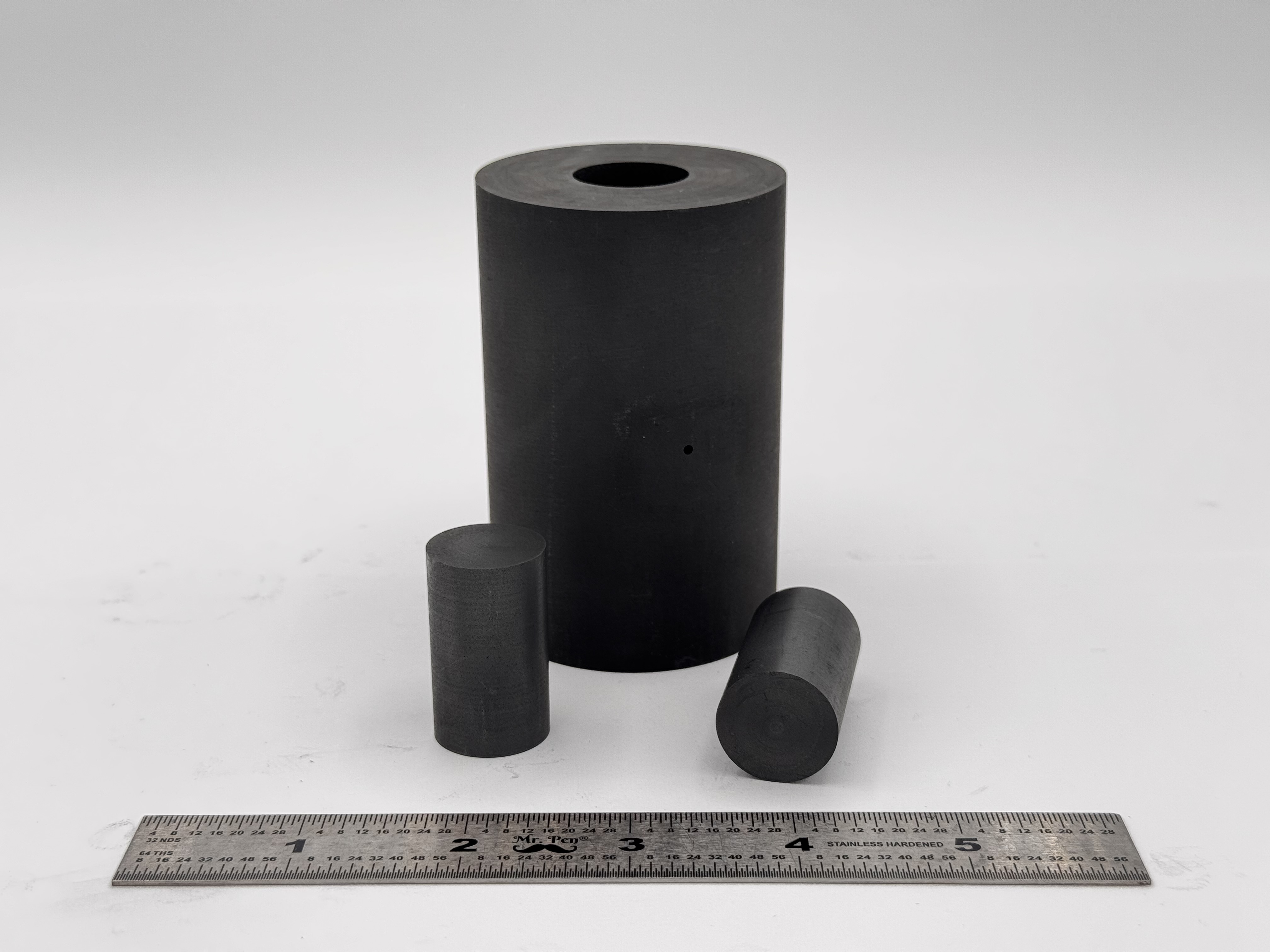
 High Strength SPS Graphite Tooling
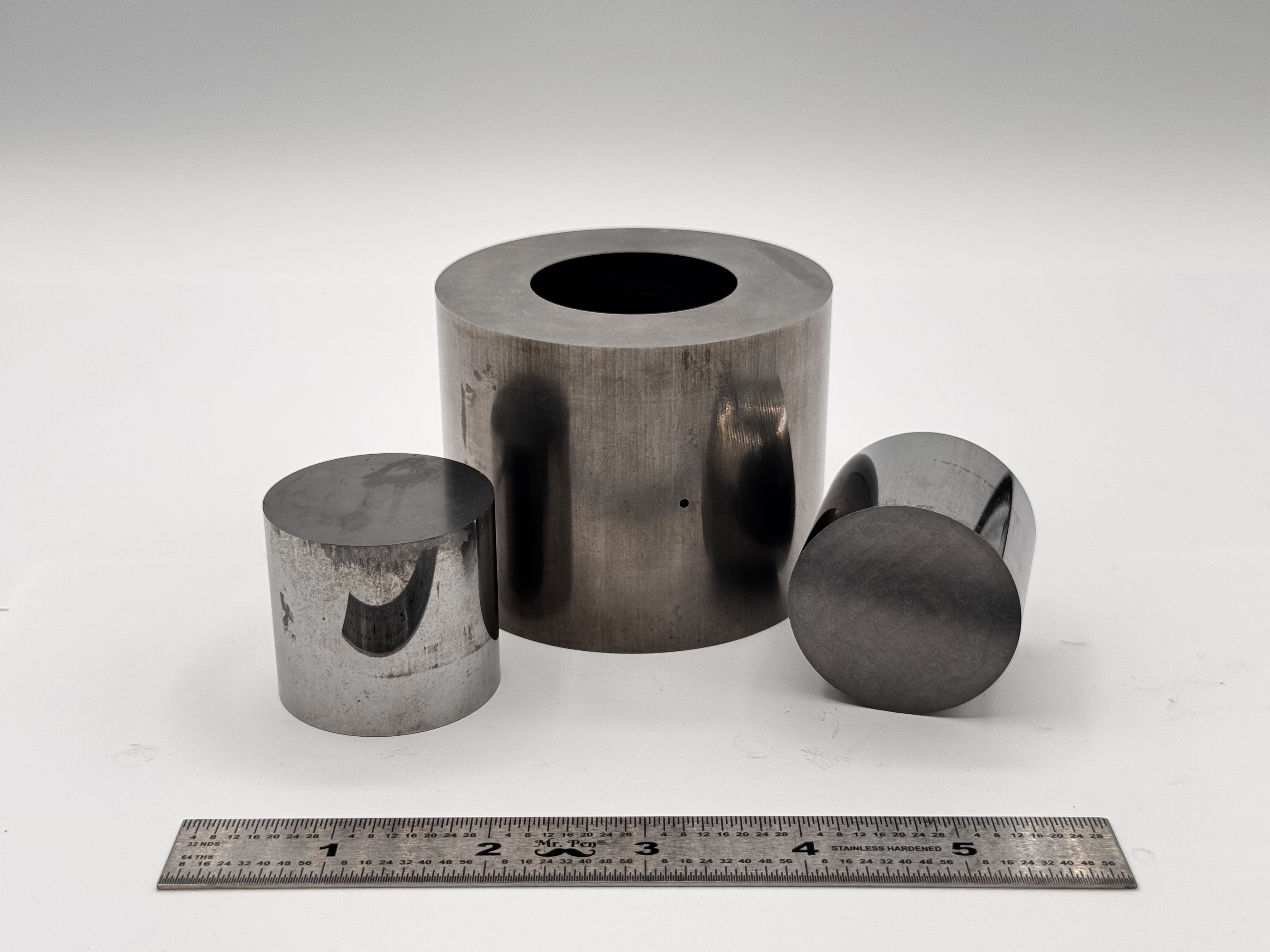 Tungsten Carbide Tooling
 Carbon Graphite Foil / Paper
 Carbon Felt and Yarn
 Spark Plasma Sintering Systems
 SPS/FAST Modeling Software
Tungsten Carbide Tooling: The Backbone of Precision Engineering and Nanotechnology
In the world of manufacturing and engineering, few materials are as revered as tungsten carbide. Often called the “king of hard metals,” tungsten carbide has revolutionized tooling by combining extreme hardness with remarkable durability. From heavy-duty metal cutting in automotive factories to the delicate precision required in nanotechnology, tungsten carbide tooling has proven indispensable. But what exactly is it, and why does it matter so much in both traditional and cutting-edge applications?
What is Tungsten Carbide Tooling?
Tungsten carbide tooling refers to tools made from or tipped with tungsten carbide, a composite material formed by combining tungsten carbide particles with a metal binder, typically cobalt or nickel. This mixture creates a material that is exceptionally hard, wear-resistant, and capable of retaining its strength even at high temperatures.
Unlike conventional steel tools, which can dull quickly and wear under heat, tungsten carbide maintains a razor-sharp edge far longer. This makes it ideal for applications where precision, efficiency, and longevity are critical. While the tool body itself may be steel, the cutting or contact edge is often made of tungsten carbide, either brazed or clamped on, ensuring maximum performance in demanding conditions.
Why Tungsten Carbide is So Valuable
The properties of tungsten carbide make it stand out in the tooling world:
- Extreme hardness: It can cut materials that would quickly damage ordinary steel tools.
- Heat resistance: It keeps its hardness even under the intense heat generated by high-speed machining.
- Wear resistance: Tools last longer, reducing downtime and tool replacement costs.
- Precision: Its stability allows for highly accurate cuts, critical for both industrial and scientific applications.
However, it is important to note that tungsten carbide is brittle compared to steel, so it can crack or chip under impact. Despite this, its benefits often outweigh its drawbacks in both industrial and high-tech environments.
Applications in Traditional Manufacturing
Tungsten carbide tooling has a long history in metalworking and machining, where it dominates applications that demand high precision and durability. Common uses include:
- Metal cutting and machining: Tungsten carbide end mills, drill bits, reamers, and inserts cut through hard metals like steel, stainless steel, and titanium more efficiently than high-speed steel tools.
- Turning and milling: Lathe and milling tools with carbide tips produce precise components quickly, maintaining their sharpness far longer than steel alternatives.
- Sheet metal forming: Carbide punches and dies withstand repetitive stress without significant wear.
- Drilling and mining: Carbide-tipped drill bits and mining picks resist abrasion from rock and concrete, making them essential for heavy-duty applications.
- Woodworking: Router bits and saw blades with carbide edges cut wood smoothly and maintain sharpness far longer than traditional steel tools.
- Wear-resistant components: Bearings, nozzles, dies, and molds that experience constant friction often use carbide parts for longevity.
In essence, anywhere precision, wear resistance, and durability are required, tungsten carbide tooling is a prime choice.
Tungsten Carbide and Nanotechnology
While tungsten carbide has a strong presence in traditional manufacturing, its role in nanotechnology is equally fascinating. At first glance, it might seem counterintuitive: how can a macroscopic, extremely hard material be relevant to the nanoscale? The answer lies in precision and durability. Nanotechnology involves manipulating and measuring materials at scales of billionths of a meter, and this requires tools that maintain their shape and sharpness under extreme conditions.
Nano-machining and Precision Milling
In micro- and nano-fabrication, tungsten carbide can be fashioned into ultra-fine cutting tools capable of creating tiny structures in metals, ceramics, and semiconductors. For example, microchannels in MEMS (Micro-Electro-Mechanical Systems) devices are often machined with carbide tooling. Its hardness ensures that these tiny features can be cut cleanly and accurately without rapid wear, a critical factor when precision is measured in microns or nanometers.
Nanoindentation and Material Testing
Measuring mechanical properties at the nanoscale requires nanoindenters, which often have tungsten carbide tips. These devices press a sharp tip into a material to determine hardness, elasticity, and other properties. Carbide’s rigidity ensures that the tip itself does not deform, providing reliable, repeatable measurements critical for materials science and nanotechnology research.
Atomic Force Microscopy (AFM) Support
While AFM tips themselves are usually made of silicon or diamond, tungsten carbide is often used in the probe holders or reinforcement structures. This ensures that the delicate tips can repeatedly scan nanoscale surfaces without structural failure, combining durability with the precision necessary to resolve atomic or molecular features.
Nanofabrication Molds
Techniques like nanoimprint lithography, which involve stamping nanoscale patterns into polymers or other soft materials, rely on hard molds to preserve feature fidelity. Tungsten carbide dies serve this purpose perfectly because they resist wear and maintain the integrity of patterns that can be just a few nanometers wide.
Wear-Resistant Nano-Tools
Any tool involved in the high-precision manufacturing of nanoscale devices—micro-drills, micro-milling cutters, or tiny punches—benefits from carbide tips. They reduce tool wear, maintain accuracy, and allow for repeated operations without degradation, which is vital for scaling up nanotechnology applications for industry.
The Bridge Between Macro and Nano
Tungsten carbide tooling illustrates an intriguing bridge between macroscale manufacturing and nanoscale precision. On one hand, it dominates heavy industrial applications like automotive, aerospace, and mining. On the other, it plays a crucial role in nanotechnology, enabling engineers and scientists to create, shape, and measure materials at unprecedented scales. Its combination of hardness, durability, and precision makes it irreplaceable across industries, from cutting steel beams to carving microscopic channels on silicon wafers.
Challenges and Considerations
Despite its advantages, tungsten carbide is not without challenges:
- Brittleness: Unlike steel, it can snap or chip under improper handling.
- Cost: Manufacturing carbide tools is more expensive than traditional steel alternatives.
- Speed and technique limitations: Carbide tools require careful speed and feed rate control; improper use can lead to fractures.
However, advances in manufacturing, coating technologies, and tool design continue to mitigate these issues, making tungsten carbide even more versatile and reliable.
Conclusion
Tungsten carbide tooling is more than just a durable cutting material—it is a critical enabler of modern engineering and nanotechnology. Its extreme hardness, wear resistance, and precision allow it to tackle challenges ranging from heavy-duty metal cutting to nanoscale fabrication and measurement. In an era where both industrial efficiency and scientific precision are paramount, tungsten carbide tooling stands as a shining example of material engineering that bridges the gap between the very large and the unimaginably small.
Whether in a factory shaping the parts of tomorrow’s cars or in a research lab crafting the next generation of nanodevices, tungsten carbide continues to demonstrate that sometimes, the smallest details demand the hardest tools.