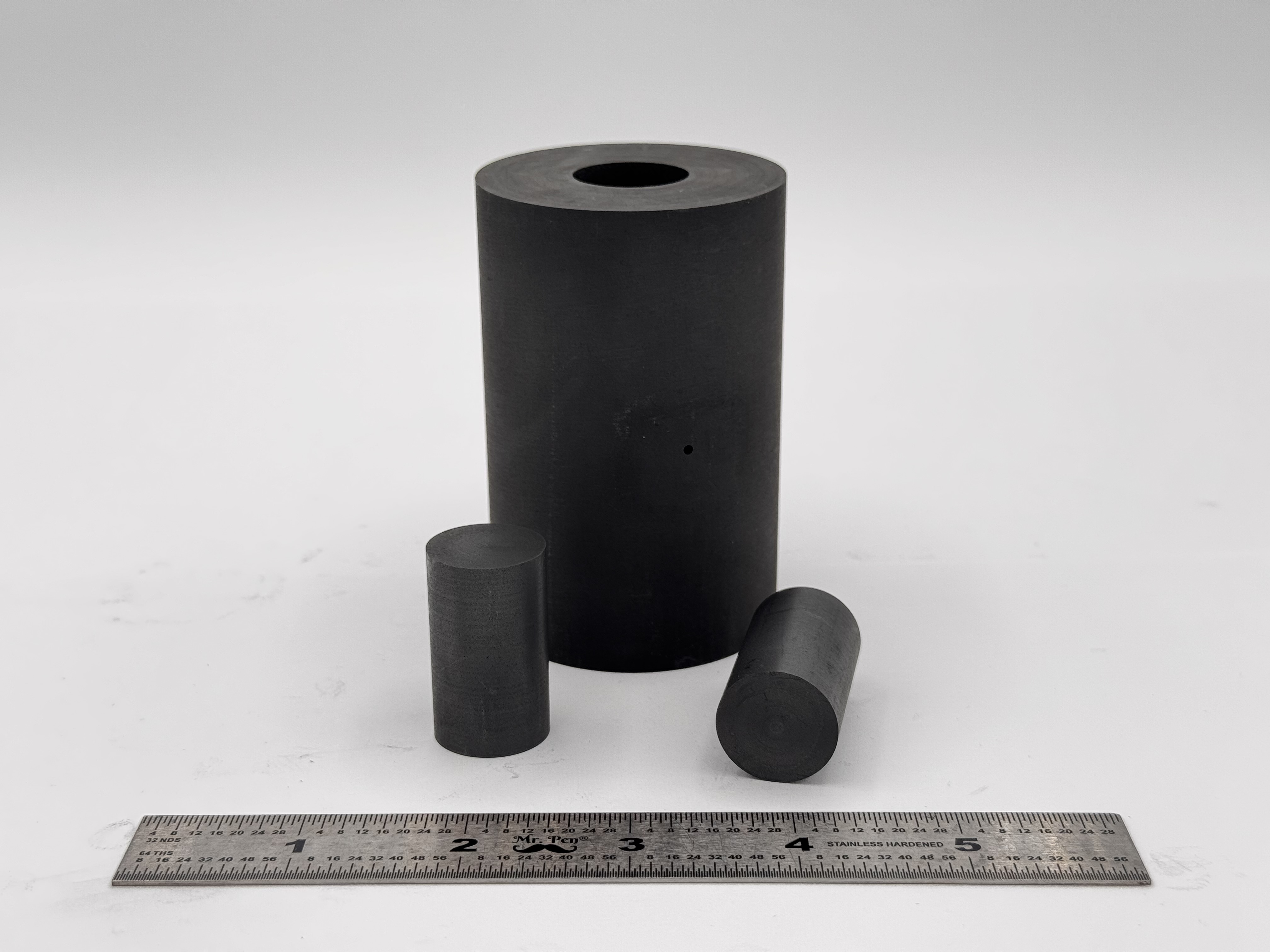
 High Strength SPS Graphite Tooling
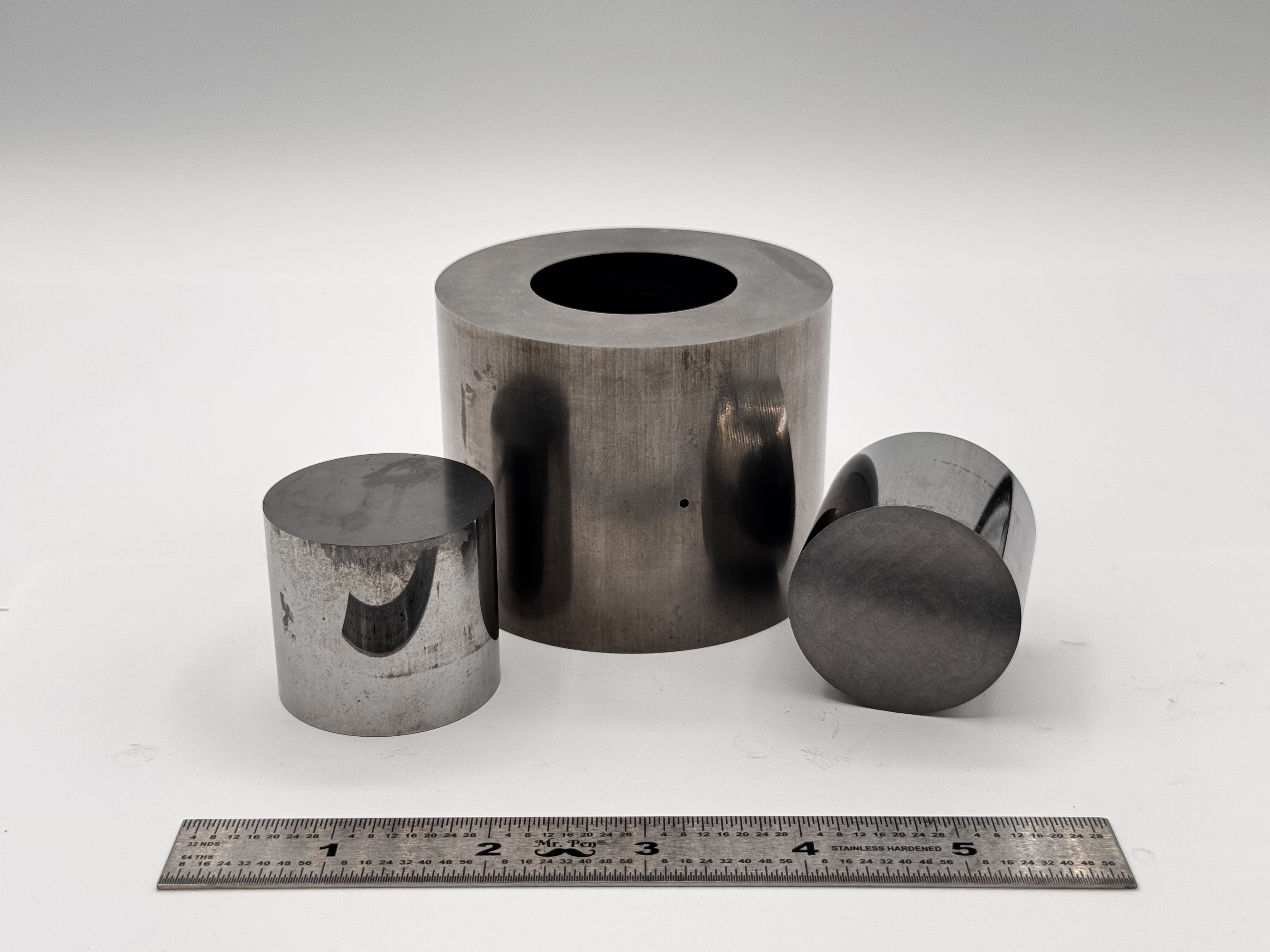 Tungsten Carbide Tooling
 Carbon Graphite Foil / Paper
 Carbon Felt and Yarn
 Spark Plasma Sintering Systems
 SPS/FAST Modeling Software
Ultra-High Temperature Ceramics: The Materials Built for the Most Extreme Environments on Earth—and Beyond
When temperatures soar beyond the limits of metals, superalloys, and conventional ceramics, only a select class of materials can survive. Ultra-high temperature ceramics (UHTCs) sit at the very edge of material science, engineered to perform in environments where failure is not an option and heat can exceed 2,000°C (3,600°F).
From hypersonic flight to space re-entry and advanced defense systems, UHTCs enable technologies that push speed, heat, and performance to extremes. Understanding what these materials are, how they’re used, and how they’re fabricated reveals why they are among the most challenging—and most valuable—materials in modern engineering.
What Are Ultra-High Temperature Ceramics?
Ultra-high temperature ceramics are a specialized group of advanced ceramics designed to maintain mechanical strength, dimensional stability, and chemical resistance at temperatures far beyond the capabilities of most materials.
While conventional engineering ceramics may tolerate temperatures up to 1,200–1,500°C, UHTCs are typically defined by their ability to function above 2,000°C, with some materials approaching 3,000°C and beyond.
Most UHTCs are based on transition metal compounds, particularly:
- Borides (e.g., zirconium diboride, hafnium diboride)
- Carbides (e.g., tantalum carbide, hafnium carbide)
- Nitrides in specialized applications
These materials offer an unusual combination of properties:
- Extreme melting points
- High hardness and stiffness
- Resistance to wear and erosion
- Thermal and electrical conductivity (rare for ceramics)
- Strength retention at ultra-high temperatures
Among them, hafnium carbide and tantalum carbide are notable for having some of the highest melting points of any known materials, exceeding 3,800°C.
Where Are UHTCs Used?
Because of their cost, complexity, and processing challenges, UHTCs are reserved for environments where nothing else works.
Aerospace and Hypersonic Flight
The largest driver of UHTC development is hypersonic technology—vehicles traveling at Mach 5 or higher. At these speeds, aerodynamic heating can raise surface temperatures to levels that instantly destroy metals.
UHTCs are used in:
- Leading edges of hypersonic vehicles
- Nose cones and sharp aerodynamic surfaces
- Control surfaces exposed to extreme heat flux
These components must withstand not only heat, but also thermal shock, mechanical stress, and oxidation, all while maintaining precise shape and performance.
Space Exploration and Atmospheric Re-Entry
Re-entry into Earth’s atmosphere subjects spacecraft to intense frictional heating. UHTCs are used where traditional thermal protection systems fall short, including:
- Spacecraft nose tips
- Heat shields
- Re-entry vehicle components
Their ability to resist ablation and deformation makes them ideal for repeated or prolonged exposure to extreme temperatures.
Defense and Missile Systems
In defense applications, UHTCs enable performance in
high-speed, high-temperature environments that demand absolute reliability.
Applications include:
- Missile nose cones
- Rocket propulsion components
- High-temperature protective coatings
- Thermal barriers for advanced weapons systems
Here, UHTCs must endure rapid acceleration, intense heating, and aggressive atmospheric conditions simultaneously.
Energy, Industrial, and Research Applications
Outside aerospace and defense, UHTCs are used in specialized industrial and research environments, such as:
- Furnace components and linings
- Nuclear reactor elements
- High-temperature electrodes
- Plasma-facing components
- Extreme-environment test fixtures
Their electrical conductivity also makes some UHTCs valuable in high-temperature electrical and sensing applications.
How Ultra-High Temperature Ceramics Are Fabricated
Producing UHTCs is as extreme as the environments they’re designed for. Their extraordinary melting points make traditional metal processing methods impossible, so fabrication relies on advanced powder-based ceramic techniques.
Powder Preparation: The Critical Starting Point
UHTC fabrication begins with ultra-fine, high-purity powders. The quality of these powders—particle size, shape, distribution, and purity—has a major impact on final performance.
Powders are often blended with additives such as silicon carbide (SiC), which improves oxidation resistance and helps control microstructure during sintering.
Shaping the Green Body
Once prepared, powders are shaped into a preliminary form known as a green body. Common forming methods include:
- Uniaxial or isostatic pressing
- Slip casting
- Tape casting for thin sections
- Extrusion for simple geometries
At this stage, the part is fragile and porous, requiring densification to achieve usable strength.
Densification and Sintering: Where the Magic Happens
Densifying UHTCs is one of the most challenging steps in ceramic processing. Their strong atomic bonds make them resistant to diffusion, which complicates sintering.
Common densification methods include:
- Hot pressing
- Hot isostatic pressing (HIP)
- Spark plasma sintering (SPS)
Among these, spark plasma sintering is widely favored for UHTCs. SPS applies pulsed electric current and pressure simultaneously, allowing:
- Lower sintering temperatures
- Faster densification
- Reduced grain growth
- Near-theoretical density
Sintering temperatures often exceed 1,800–2,200°C, even with advanced techniques.
Machining and Finishing
Once densified, UHTCs are exceptionally hard and wear-resistant, making machining difficult and expensive.
- Diamond tooling is required
- Grinding and polishing are common
- Complex geometries are often avoided
- Near-net-shape forming is preferred to minimize machining
Coatings and Oxidation Protection
While UHTCs excel at high temperatures, oxidation in air remains a key challenge. Many components require protective systems such as:
- Silicon-based coatings
- Environmental barrier coatings (EBCs)
- Glass-forming oxide layers that seal the surface at high temperatures
These coatings significantly extend service life in oxygen-rich environments.
The Tradeoffs—and the Future
Ultra-high temperature ceramics are not easy materials to work with. They are expensive, difficult to fabricate, and brittle if not carefully engineered. However, their unmatched performance makes them indispensable for next-generation aerospace, defense, and energy technologies.
Emerging innovations—including field-assisted sintering, functionally graded ceramics, and additive manufacturing—promise to expand what’s possible with UHTCs, opening the door to more complex shapes and broader adoption.
Final Thoughts
Ultra-high temperature ceramics occupy a unique space in material science. They exist not to replace metals or conventional ceramics, but to operate where no other material survives.
As humanity pushes faster, hotter, and farther—into hypersonic flight, deep space, and extreme energy systems—UHTCs will remain foundational materials at the frontier of engineering.