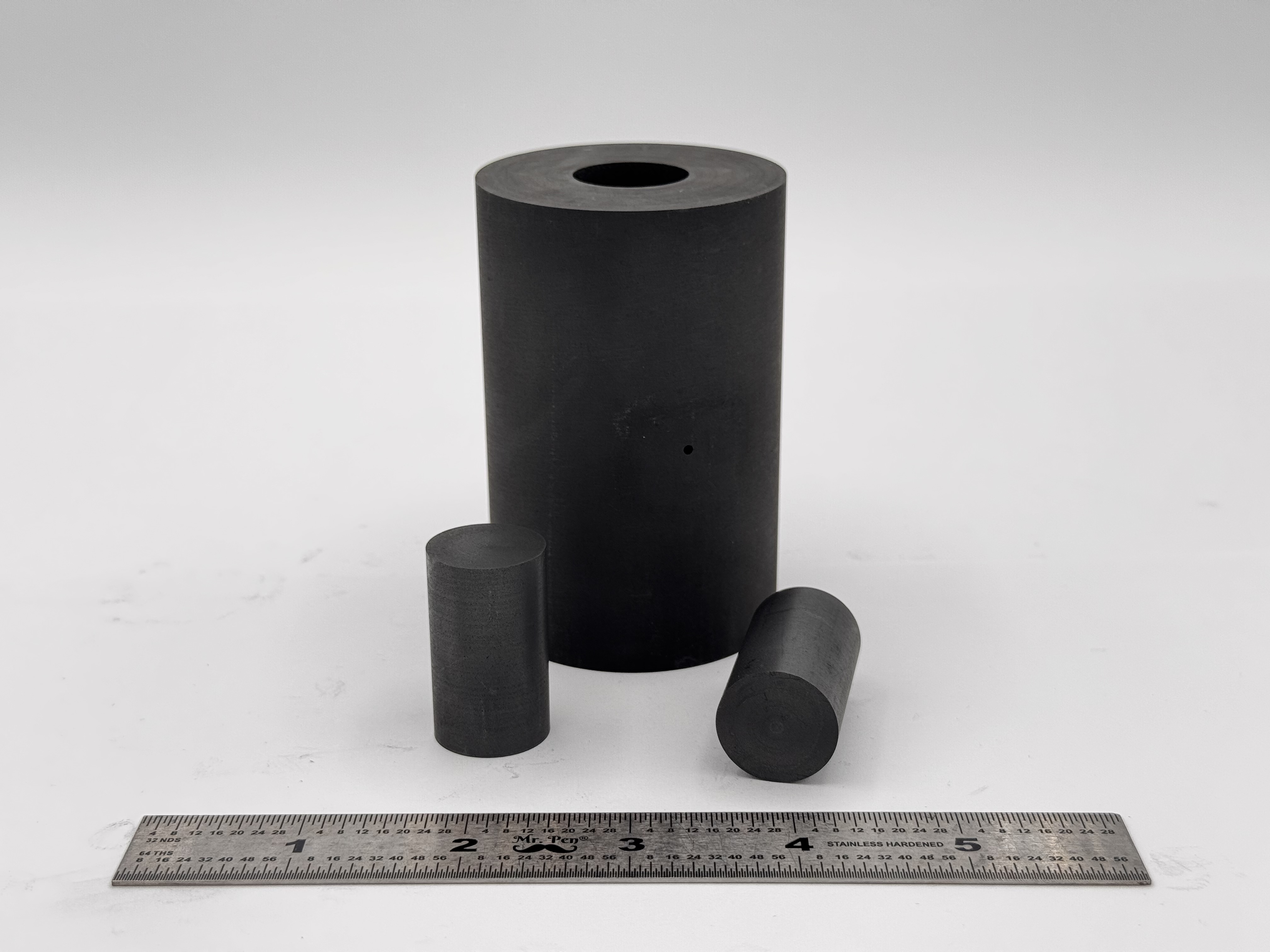
 High Strength SPS Graphite Tooling
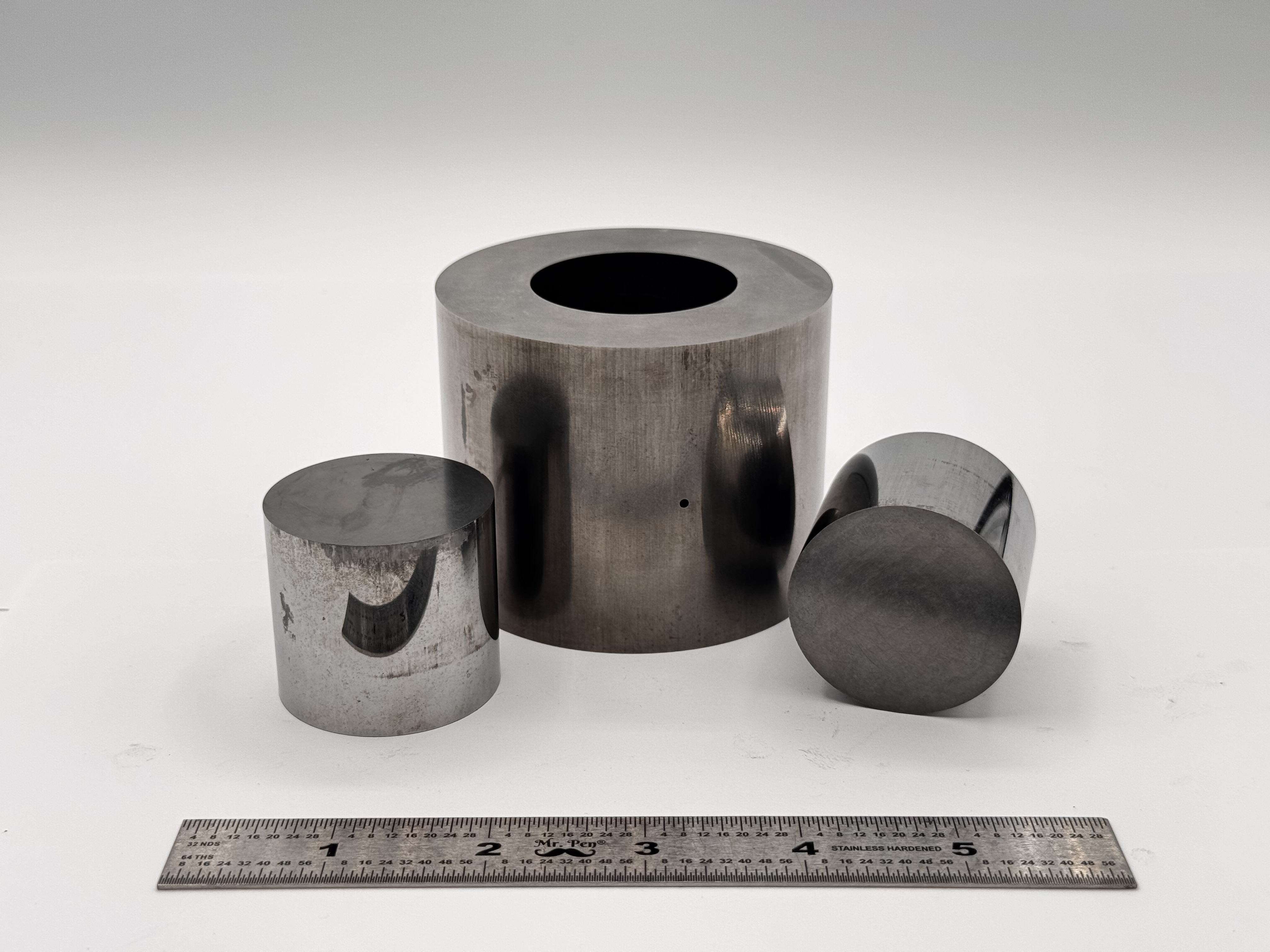 Tungsten Carbide Tooling
 Carbon Graphite Foil / Paper
 Carbon Felt and Yarn
 Spark Plasma Sintering Systems
 SPS/FAST Modeling Software
Cryogenic Milling Services in California: Why Better Materials Begin Before Manufacturing
When developing advanced materials, the smallest details can make the biggest difference. Long before a component is formed, consolidated, or tested, the characteristics of its starting powder can influence its performance. Particle structure, material distribution, contamination, and microstructural consistency all play important roles in determining whether an advanced material will meet its intended specifications.
For manufacturers and researchers seeking cryogenic milling services in California, understanding the importance of powder preparation can open the door to better material development and more reliable manufacturing outcomes.
At California Nanotechnologies, cryogenic milling is part of a broader approach to advanced materials processing, helping customers explore material properties and manufacturing possibilities that may be difficult to achieve through conventional techniques.
Why Powder Preparation Deserves More Attention
Advanced manufacturing often focuses on the final stages of production. Engineers evaluate consolidation methods, processing temperatures, tooling requirements, and finished component properties. However, the condition of the starting material can influence every stage that follows.
Poorly controlled powder characteristics may contribute to challenges such as:
Inconsistent material distribution
Unwanted particle agglomeration
Excessive heat generation during processing
Variations in microstructure
Difficulty achieving desired properties during consolidation
Unpredictable results during material development
For high-performance materials, these issues can become particularly significant.
Cryogenic milling addresses powder preparation from a different perspective: controlling the processing environment to influence how materials deform, fracture, and mix.
What Makes Cryogenic Milling Different?
Cryogenic milling is a mechanical processing technique that uses extremely low temperatures, often maintained with liquid nitrogen, during high-energy milling.
Unlike conventional milling, where repeated mechanical impacts can generate considerable heat, cryogenic milling helps limit temperature increases and changes how certain materials respond to mechanical forces.
At reduced temperatures, some materials become less ductile and more susceptible to fracture. This can make mechanical size reduction and microstructural refinement more effective for suitable materials.
Depending on the material and processing conditions, cryogenic milling can support:
Grain refinement: Producing finer microstructures through repeated mechanical deformation.
Mechanical alloying: Promoting intimate mixing and alloy development between different powder constituents.
Reduced thermal exposure: Limiting heat-related changes that may occur during conventional milling.
Processing of challenging materials: Improving the milling response of certain ductile or temperature-sensitive materials.
Advanced powder development: Preparing specialized materials for subsequent consolidation or testing.
These advantages make cryogenic milling particularly relevant to industries where conventional material processing may not deliver the desired results.
The Hidden Connection Between Cryogenic Milling and Material Performance
One of the most interesting aspects of cryogenic milling is that its benefits extend beyond simply producing smaller particles.
During high-energy mechanical processing, repeated deformation, fracture, and welding events can change the internal structure of a material. Under appropriate conditions, these changes can produce ultrafine or nanocrystalline grain structures.
Why does this matter?
Grain size and microstructure can influence important material characteristics, including hardness, strength, and deformation behavior.
For example, refining the grain structure of certain metallic materials can improve strength through grain-boundary strengthening mechanisms. Cryogenic milling can also help distribute alloying constituents or reinforcement phases throughout a powder mixture.
However, these outcomes are material-dependent. Milling parameters must be carefully evaluated because excessive processing can introduce contamination, undesirable phases, or other microstructural changes.
The objective is not simply to mill powder for longer or produce the smallest possible particles. It is to develop powder characteristics that support the intended material performance.
How Cryogenic Milling Supports Spark Plasma Sintering
One particularly valuable application of cryogenic milling is preparing advanced powders for subsequent consolidation.
Spark Plasma Sintering (SPS), also known as Field Assisted Sintering Technology (FAST), uses electrical current and applied pressure to consolidate powdered materials.
When cryogenic milling is used as an upstream processing method, it can help create refined or mechanically alloyed powders suitable for SPS development.
This combination can offer important opportunities.
1. Improved Control Over Starting Microstructures
Cryogenic milling can produce refined powder microstructures that researchers may seek to preserve during consolidation. SPS offers rapid heating and comparatively short processing cycles, which can help limit grain growth in suitable materials.
2. Development of Complex Material Systems
Mechanical alloying can help prepare powder mixtures containing elements or reinforcement materials that are challenging to distribute through conventional manufacturing techniques.
These powders can then be evaluated through SPS to determine their consolidation behavior and resulting properties.
3. Opportunities for Advanced Material Research
Combining powder processing with consolidation creates opportunities to investigate relationships between starting powder characteristics, processing parameters, density, and finished material performance.
For organizations developing next-generation materials, this integrated approach can reduce the disconnect between powder development and component manufacturing.
Applications for Cryogenic Milling Services in California
California is home to a wide range of organizations working in advanced materials, aerospace, energy, electronics, and research. Many of these applications require specialized materials with tightly controlled characteristics.
Cryogenic milling can support material development across several important areas.
Aerospace and Defense Materials
Advanced alloys and specialty materials used in aerospace and defense applications often require careful control over microstructure and mechanical properties. Cryogenic milling can support research into refined metallic powders and new alloy systems.
High-Entropy Alloys
High-entropy alloys contain multiple principal elements and offer opportunities to explore unusual combinations of mechanical and thermal properties. Mechanical alloying through cryogenic milling can provide a route for developing selected alloy compositions before consolidation.
Metal Matrix Composites
Distributing reinforcement materials within a metallic matrix can be challenging. Cryogenic milling may help improve the mixing and dispersion of suitable constituents during powder preparation.
Energy and Industrial Materials
Research involving wear-resistant materials, specialized alloys, and high-performance components may benefit from powder processing methods that enable microstructural refinement and controlled material development.
Research and Development Programs
Universities, laboratories, and industrial R&D teams can use cryogenic milling to investigate material compositions and processing conditions before committing to larger-scale manufacturing.
Choosing Cryogenic Milling Services: Questions Worth Asking
Not all cryogenic milling projects have the same objectives. Some require particle size reduction, while others focus on mechanical alloying, grain refinement, or preparing powders for consolidation.
Before selecting a processing partner, manufacturers and researchers should consider several questions.
What is the desired material outcome?
Defining whether the goal is improved mixing, microstructural refinement, or preparation for consolidation helps establish appropriate processing parameters.
How will the powder be used afterward?
Powder intended for SPS may require different characteristics than powder intended for other manufacturing processes.
What material-specific challenges exist?
Ductility, oxidation sensitivity, contamination risk, and powder handling requirements can influence the feasibility and effectiveness of cryogenic milling.
Will additional material processing be required?
Projects involving advanced alloys and experimental materials often benefit from coordinated milling, consolidation, and characterization efforts.
Evaluating these considerations early can help establish a more efficient development strategy.
California Nanotechnologies: Supporting Advanced Materials from Powder to Performance
Developing an advanced material involves more than choosing the right composition. It requires an understanding of how processing methods influence the structure and behavior of that material.
California Nanotechnologies specializes in advanced materials processing technologies, including cryogenic milling and Spark Plasma Sintering. These capabilities support organizations investigating specialized powders, advanced alloys, and new material development opportunities.
By considering powder preparation alongside downstream consolidation, researchers and manufacturers can take a more comprehensive approach to achieving their material objectives.
Whether the challenge involves refining a metallic powder, exploring a complex alloy system, or preparing materials for SPS, selecting the appropriate processing strategy is an important step toward successful development.
Start with Better Powder. Build Toward Better Performance.
The future of advanced manufacturing depends on more than innovative component designs. It also depends on understanding and controlling materials at the microstructural level.
For companies researching California cryogenic milling services, California Nanotechnologies offers specialized processing expertise and complementary advanced manufacturing capabilities.
Contact California Nanotechnologies to discuss your material development requirements and explore how cryogenic milling can support your next project.