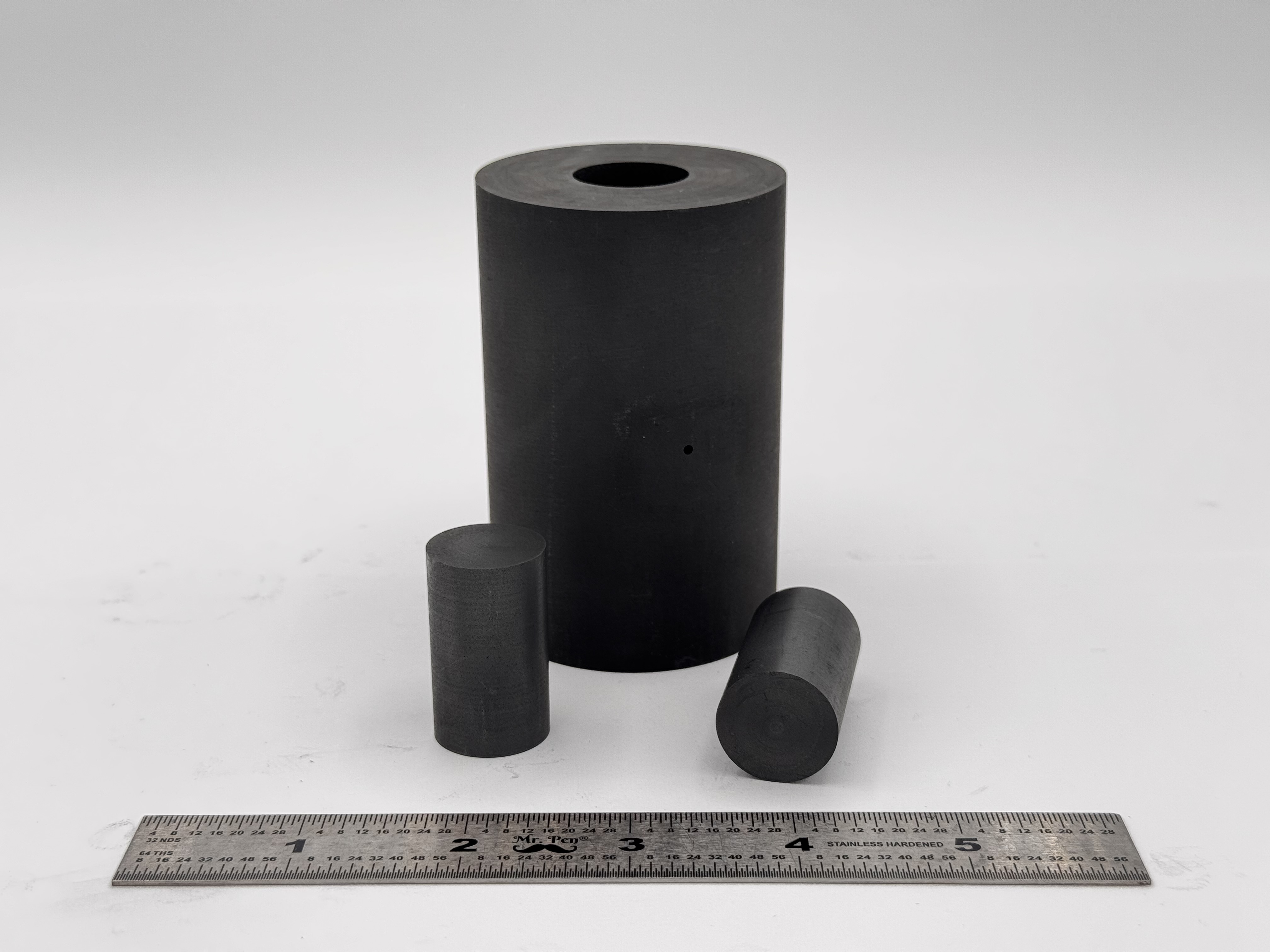
 High Strength SPS Graphite Tooling
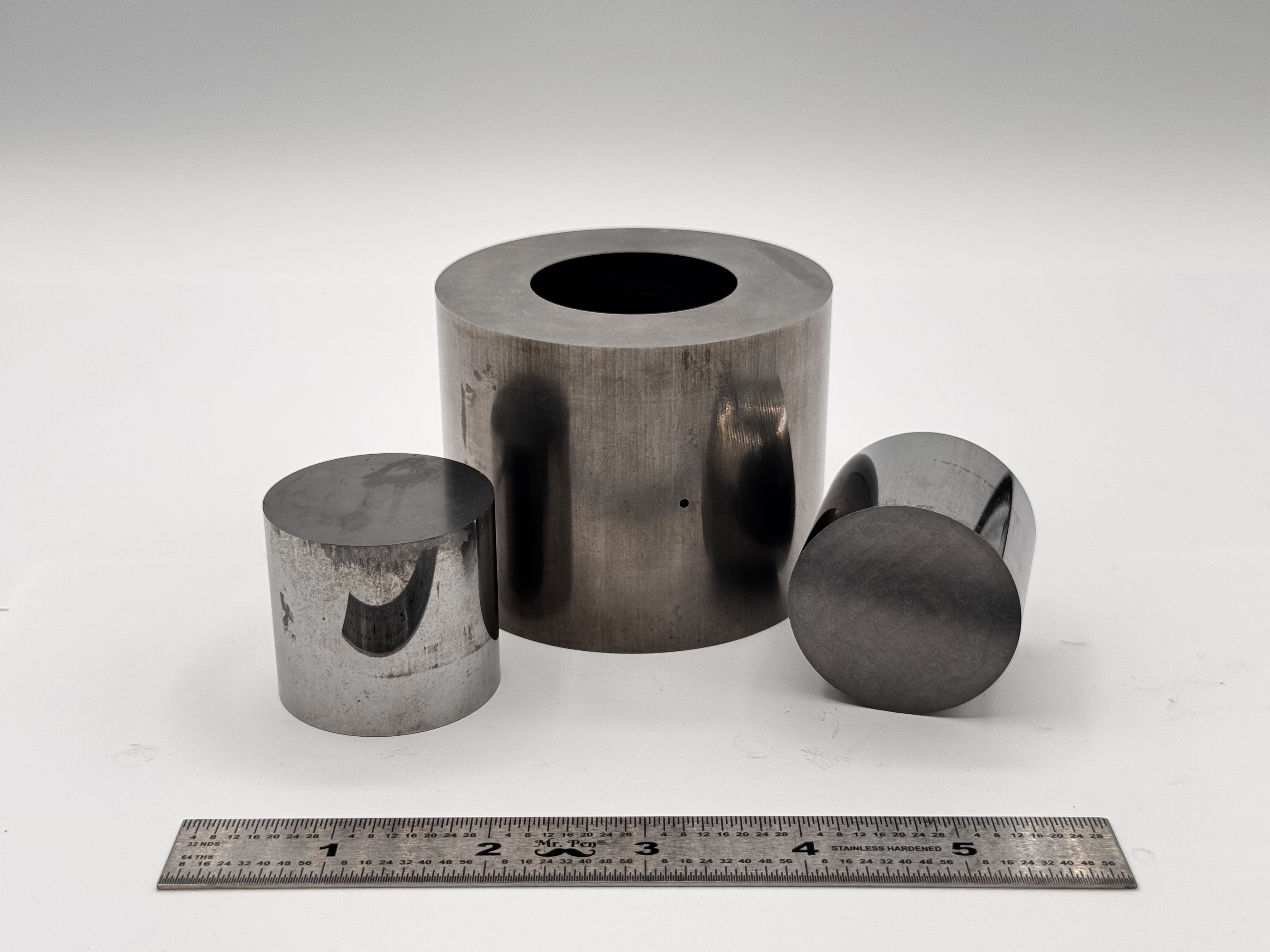 Tungsten Carbide Tooling
 Carbon Graphite Foil / Paper
 Carbon Felt and Yarn
 Spark Plasma Sintering Systems
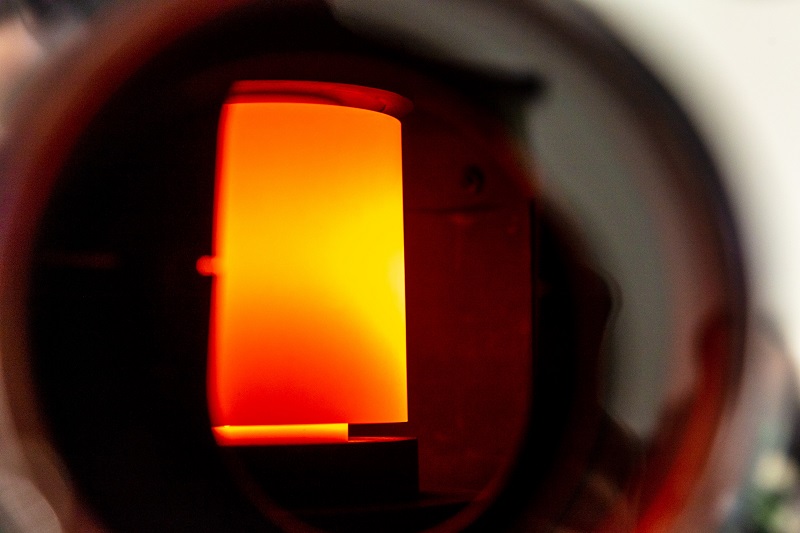 SPS/FAST Modeling Software
High Entropy Alloys in Nanotechnology: Engineering the Next Generation of Advanced Materials
For decades, materials scientists have developed alloys by selecting one primary metal and adding smaller amounts of alloying elements to improve performance. Stainless steel, for example, is predominantly iron with additions of chromium, nickel, and other elements. High Entropy Alloys (HEAs) challenge this conventional approach by turning the concept of alloy design on its head.
Rather than relying on a single dominant element, HEAs are composed of multiple principal elements—typically five or more—in near-equal proportions. This seemingly simple shift has opened the door to an entirely new class of materials with remarkable combinations of strength, toughness, thermal stability, corrosion resistance, and wear resistance. As researchers continue to explore their capabilities, high entropy alloys are emerging as one of the most exciting frontiers in nanotechnology and advanced manufacturing.
What Makes High Entropy Alloys Different?
Traditional alloys are designed around a primary base metal. High entropy alloys, by contrast, derive their properties from the interactions of several major elements occupying the same crystal lattice.
One of the most studied examples is the Cantor Alloy, composed of chromium, manganese, iron, cobalt, and nickel in nearly equal proportions. Despite its complex chemistry, the alloy forms a surprisingly simple crystal structure while exhibiting exceptional mechanical performance.
The term "high entropy" refers to the high configurational entropy created when numerous elements are mixed together. This high entropy helps stabilize solid solution phases and contributes to several unique material phenomena, including:
- Enhanced lattice distortion
- Improved strength and hardness
- Slower atomic diffusion
- Exceptional thermal stability
- Synergistic property enhancement, often called the "cocktail effect"
These characteristics make HEAs attractive candidates for applications where conventional materials struggle to meet performance requirements.
The Intersection of High Entropy Alloys and Nanotechnology
While HEAs are impressive in their bulk form, their true potential may lie at the nanoscale.
Nanotechnology focuses on controlling material structure and behavior at dimensions typically below 100 nanometers. At these scales, materials often exhibit dramatically different properties than their larger counterparts. Researchers have discovered that HEAs provide a unique platform for engineering nanoscale materials with highly tunable performance characteristics.
The combination of compositional complexity and nanoscale control allows scientists to optimize multiple properties simultaneously—something that is often difficult or impossible with traditional alloys.
As a result, HEAs are increasingly being viewed not simply as new alloys, but as a new class of designer nanomaterials.
High Entropy Alloy Nanoparticles
One of the most active areas of research involves the development of high entropy alloy nanoparticles.
These particles, typically measuring just a few nanometers in diameter, contain multiple elements uniformly distributed throughout a single nanoscale structure. Because of their extremely high surface-area-to-volume ratio, HEA nanoparticles offer unique opportunities in catalytic and energy-related applications.
Unlike conventional catalysts that may rely heavily on expensive precious metals, HEA nanoparticles can be engineered to provide numerous active sites while reducing material costs. Researchers are currently investigating their use in:
- Hydrogen production
- Fuel cells
- Water splitting systems
- Carbon dioxide conversion technologies
- Ammonia synthesis
- Renewable energy applications
The ability to fine-tune surface chemistry through alloy composition provides a level of flexibility that has generated significant interest across both academic and industrial sectors.
Energy Storage and Advanced Battery Technologies
As demand for efficient energy storage continues to grow, HEAs are attracting attention as potential solutions for next-generation battery systems.
Nanostructured high entropy alloys are being explored for use in:
- Lithium-ion battery anodes
- Solid-state battery components
- Current collectors
- Hydrogen storage materials
The complex atomic arrangement found within HEAs can help mitigate many of the degradation mechanisms that limit battery life. Researchers have observed promising improvements in cycling stability, energy density, and charge-discharge performance.
Hydrogen storage represents another particularly exciting area of development. Certain HEA systems demonstrate the ability to absorb and release hydrogen efficiently, potentially supporting future hydrogen fuel infrastructures and clean energy technologies.
Nanostructured Coatings for Extreme Environments
Many industrial environments demand materials capable of surviving severe wear, corrosion, and elevated temperatures. High entropy alloy coatings are emerging as attractive solutions for these challenges.
By depositing HEAs as thin films or nanostructured coatings, engineers can dramatically improve the surface performance of critical components.
Potential applications include:
- Aerospace systems
- Cutting tools
- Industrial machinery
- Medical devices
- Chemical processing equipment
- Marine hardware
The nanoscale grain structures commonly found in these coatings often contribute to increased hardness while maintaining sufficient toughness to resist cracking and failure.
Radiation-Resistant Materials for Nuclear Applications
Perhaps one of the most strategically important applications of HEAs lies within advanced nuclear energy systems.
Future reactor technologies, including small modular reactors (SMRs), advanced fission systems, and fusion reactors, will require materials capable of withstanding unprecedented combinations of temperature, radiation, and mechanical stress.
Traditional reactor materials can experience significant degradation as radiation creates defects within their crystal structures. High entropy alloys offer a potentially transformative solution.
The complex atomic arrangements present in HEAs appear to help absorb, redistribute, and mitigate radiation-induced damage. This capability has generated considerable interest in their use for:
- Fuel cladding
- Reactor core components
- Structural support materials
- Fusion first-wall systems
- Advanced shielding technologies
As governments and private industries invest heavily in next-generation nuclear energy, HEAs are increasingly being viewed as critical enabling materials.
High-Temperature Performance for Aerospace and Hypersonics
Modern aerospace systems continue pushing the limits of material performance.
Jet engines, hypersonic vehicles, spacecraft, and thermal protection systems all require materials capable of maintaining strength at temperatures that would degrade many conventional alloys.
Certain high entropy alloy systems, particularly refractory HEAs containing elements such as tantalum, niobium, molybdenum, and tungsten, exhibit exceptional high-temperature stability.
When engineered with nanoscale microstructures, these materials can retain their strength and structural integrity under conditions exceeding 1,000°C, making them attractive candidates for some of the most demanding engineering applications currently under development.
Manufacturing Challenges and Opportunities
While HEAs offer tremendous potential, manufacturing them presents unique challenges.
Achieving homogeneous elemental distribution, controlling grain size, and preserving nanostructures requires advanced powder processing and consolidation technologies.
This is where techniques such as cryomilling and Field-Assisted Sintering Technology (FAST), also known as Spark Plasma Sintering (SPS), become particularly valuable.
Cryomilling and Nanostructured HEA Powders
Cryomilling uses extremely low temperatures during mechanical alloying and powder refinement.
For high entropy alloys, cryomilling can:
- Produce nanocrystalline powder structures
- Improve elemental mixing
- Refine grain size
- Enhance powder uniformity
- Promote alloy formation
The resulting powders often possess characteristics ideally suited for advanced consolidation processes.
FAST/SPS and High Entropy Alloy Manufacturing
Field-Assisted Sintering Technology has emerged as one of the most effective methods for consolidating HEA powders into fully dense components.
Unlike conventional sintering techniques that may require hours of processing, FAST/SPS utilizes pulsed direct current and applied pressure to rapidly densify materials.
For nanostructured high entropy alloys, this approach offers several significant advantages:
- Rapid densification
- Reduced processing times
- Near-full density achievement
- Preservation of nanoscale microstructures
- Limited grain growth
- Enhanced material performance
These capabilities make FAST particularly attractive for producing advanced HEA components intended for aerospace, defense, energy, and nuclear applications.
Why High Entropy Alloys Matter for the Future
The history of materials science is often defined by breakthrough material classes that unlock entirely new technological possibilities. Aluminum enabled modern aviation. Semiconductors enabled the digital age. Composite materials transformed aerospace engineering.
High entropy alloys may represent the next major leap forward.
By combining multiple principal elements within carefully engineered nanoscale structures, HEAs offer unprecedented opportunities to tailor material performance for extreme environments. Their potential spans industries ranging from energy and aerospace to defense, electronics, and advanced manufacturing.
As powder processing technologies, cryomilling techniques, and Field-Assisted Sintering capabilities continue to advance, the ability to design and manufacture high-performance HEAs is becoming increasingly practical at industrial scales.
For organizations working at the intersection of nanotechnology, advanced powders, and FAST/SPS manufacturing, high entropy alloys represent more than a research trend—they represent a pathway toward the next generation of engineered materials capable of meeting some of the world's most demanding technological challenges.