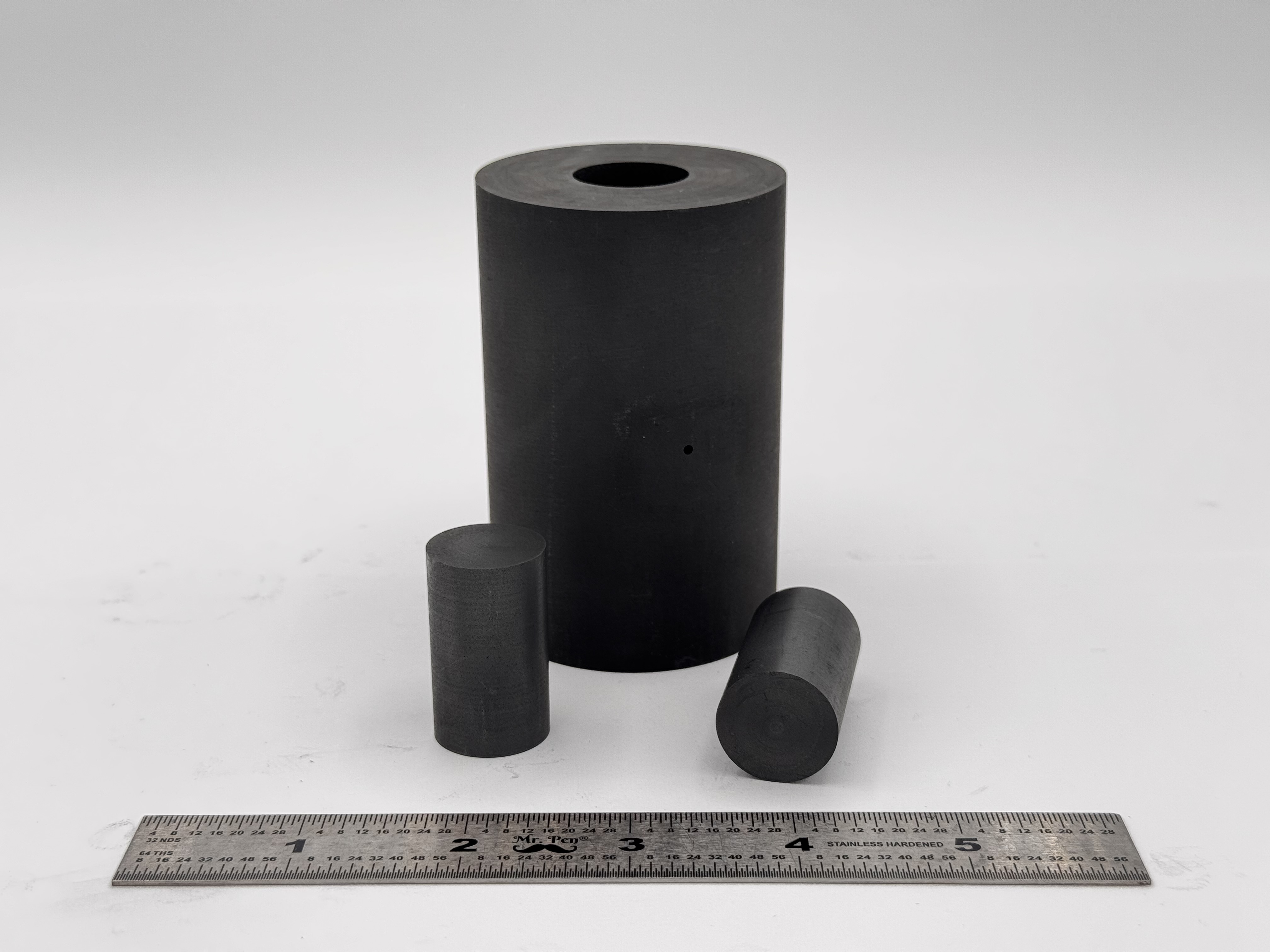
 High Strength SPS Graphite Tooling
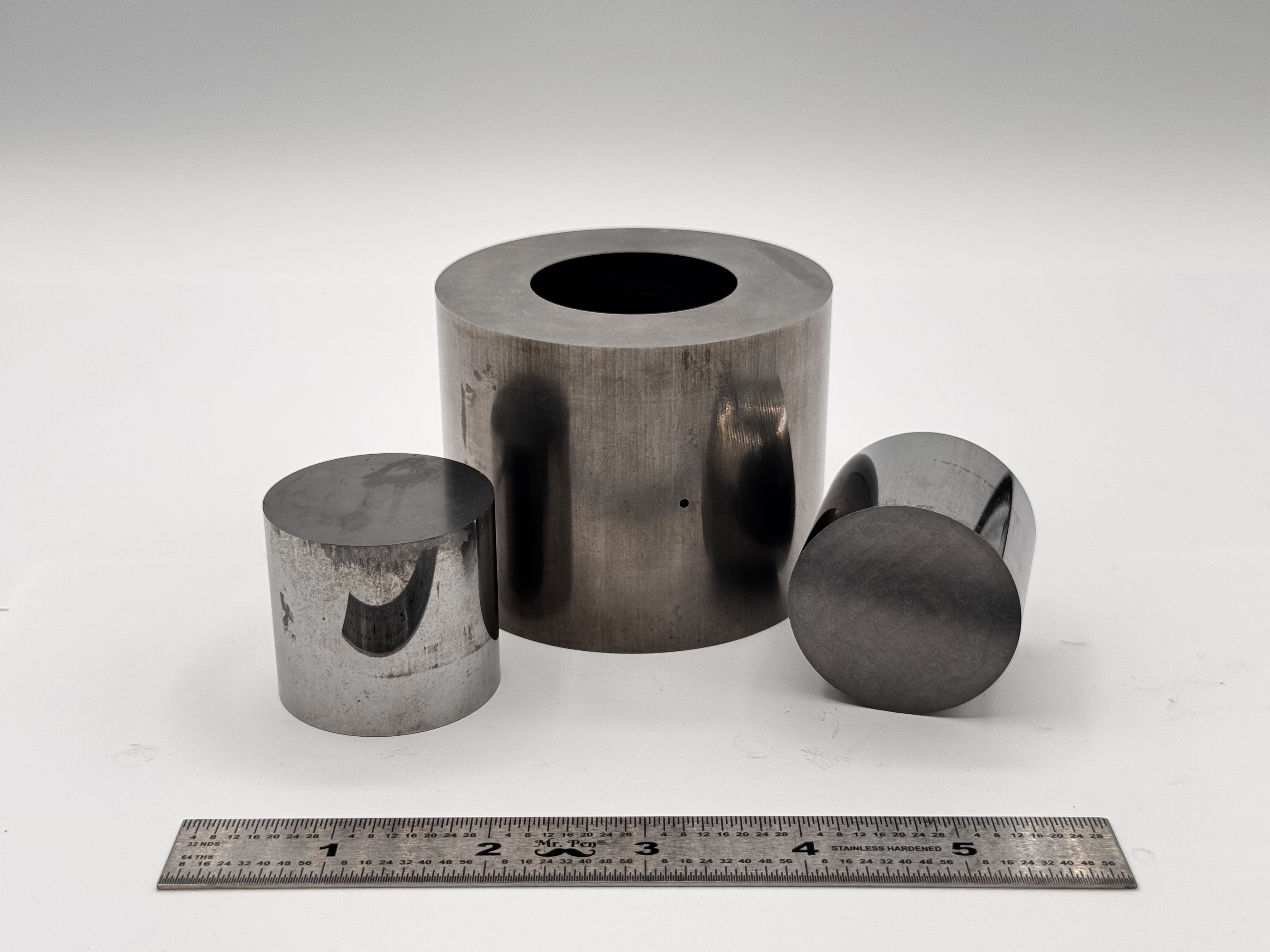 Tungsten Carbide Tooling
 Carbon Graphite Foil / Paper
 Carbon Felt and Yarn
 Spark Plasma Sintering Systems
 SPS/FAST Modeling Software
Why Vacuum Brazing Matters in Advanced Manufacturing
Manufacturing continues to evolve at an extraordinary pace. Industries such as aerospace, semiconductor production, medical device manufacturing, defense, and advanced materials engineering are constantly pushing the limits of performance while demanding tighter tolerances, cleaner production methods, and increasingly complex assemblies. As products become more sophisticated, so do the manufacturing processes required to build them.
One technology that has become indispensable for producing high-performance components is vacuum brazing. While it may not receive the same attention as additive manufacturing or CNC machining, vacuum brazing has quietly become one of the most important joining technologies in advanced manufacturing. Its ability to create exceptionally strong, contamination-free joints with remarkable precision makes it an ideal solution for applications where reliability simply cannot be compromised.
What Is Vacuum Brazing?
Vacuum brazing is a precision metal joining process that permanently bonds two or more metal components using a filler metal known as a braze alloy. Unlike welding, the base metals themselves are not melted. Instead, the assembly is heated inside a vacuum furnace to a temperature above the melting point of the filler material but below the melting point of the components being joined.
As the braze alloy melts, it flows into the joint through capillary action, filling even very small gaps between components. Once cooled, the filler solidifies to create a strong metallurgical bond that often approaches the strength of the parent materials.
The defining feature of the process is the vacuum environment. By removing oxygen, moisture, and other atmospheric gases from the furnace, vacuum brazing virtually eliminates oxidation and contamination during heating. The result is exceptionally clean, high-quality joints that require little or no post-processing.
Why the Vacuum Environment Makes Such a Difference
The vacuum chamber is what separates vacuum brazing from many traditional joining methods.
In conventional furnace brazing, oxidation can form on heated metal surfaces, interfering with the flow of the filler metal and reducing joint quality. To combat this, manufacturers often rely on chemical fluxes to remove oxides during the process. These fluxes can leave behind residues that require additional cleaning and may not be suitable for high-purity applications.
Vacuum brazing eliminates many of these concerns entirely.
Inside a high-vacuum furnace, there is virtually no oxygen available to create oxide layers on the metal surfaces. This allows the molten braze alloy to wet the base materials more effectively, producing stronger and more uniform joints. Since flux is generally unnecessary, finished components emerge clean, bright, and free from corrosive residue.
For manufacturers producing mission-critical components, this cleaner environment translates directly into improved reliability and consistency.
Precision That Modern Manufacturing Demands
Advanced manufacturing increasingly involves components with extremely tight dimensional tolerances. Whether producing aerospace hardware, semiconductor equipment, or precision medical devices, manufacturers cannot afford significant distortion during joining.
Because vacuum brazing heats entire assemblies uniformly under carefully controlled conditions, thermal stresses are minimized. The lower processing temperatures compared to welding also reduce distortion, allowing delicate or highly machined components to retain their precise dimensions.
This ability to maintain accuracy makes vacuum brazing especially valuable when assembling complex parts that have already undergone expensive machining operations.
Creating Strong Joints Without Compromising the Base Material
One of vacuum brazazing's greatest advantages is that it joins components without melting the base metals themselves.
Welding creates strong joints by melting and re-solidifying the parent materials, but the process also creates heat-affected zones that can alter mechanical properties or introduce distortion.
Vacuum brazing avoids many of these issues. Since only the filler metal melts, the original properties of the base materials remain largely intact. Properly designed vacuum-brazed joints provide excellent mechanical strength while preserving the characteristics that engineers selected when choosing the material.
This becomes particularly important when working with expensive alloys, precision-machined components, or materials that are difficult to weld successfully.
Joining Complex Assemblies
Modern products rarely consist of a single machined component. Instead, engineers increasingly design assemblies composed of multiple parts that must work together with exceptional precision.
Vacuum brazing excels at joining these complex assemblies.
Entire products containing dozens—or even hundreds—of individual joints can often be brazed simultaneously during a single furnace cycle. Because the molten filler metal flows naturally into properly designed joints through capillary action, intricate internal passages, cooling channels, and difficult-to-access areas can be joined without direct operator intervention.
This capability makes vacuum brazing ideal for manufacturing sophisticated products such as:
Heat exchangers
Honeycomb structures
Fluid handling systems
Vacuum chambers
Electronic housings
Optical assemblies
Medical instruments
High-performance industrial components
The process supports both high-volume production and specialized prototype work, offering manufacturers exceptional flexibility.
Supporting Today's Most Advanced Industries
The importance of vacuum brazing becomes even clearer when examining the industries that rely on it every day.
Aerospace
Aircraft and spacecraft demand components that are lightweight, durable, and capable of performing under extreme operating conditions.
Vacuum brazing is widely used to manufacture turbine components, fuel systems, hydraulic assemblies, and lightweight heat exchangers. The process enables manufacturers to produce complex assemblies with minimal distortion while maintaining the high levels of reliability required for flight-critical applications.
Semiconductor Manufacturing
Semiconductor fabrication equipment operates in highly controlled environments where even microscopic contamination can affect production yields.
Vacuum brazing allows manufacturers to produce vacuum-compatible chambers, cooling systems, wafer handling equipment, and high-purity assemblies with exceptionally clean joints that support the demanding requirements of semiconductor manufacturing.
Medical Device Manufacturing
Medical devices require manufacturing processes that prioritize cleanliness, precision, and repeatability.
Vacuum brazing is commonly used to produce surgical instruments, diagnostic equipment, imaging systems, and implantable components. Because the process typically requires no flux, manufacturers avoid residue that could interfere with sterilization or long-term performance.
Defense
Military systems often operate under extreme environmental conditions where equipment failure is simply not an option.
Radar systems, missile components, electronic housings, optical assemblies, and specialized hardware all benefit from vacuum brazing's ability to produce strong, reliable joints capable of withstanding demanding service conditions.
Energy Production
Power generation equipment routinely experiences elevated temperatures, pressure cycling, and corrosive environments.
Vacuum brazing supports the production of advanced heat exchangers, fuel cell components, nuclear hardware, and other critical systems designed for long service life and dependable performance.
Working with Advanced Materials
Modern engineering increasingly relies on specialty materials that offer exceptional strength, corrosion resistance, or thermal performance.
Vacuum brazing is compatible with many of these advanced materials, including:
Stainless steel
Carbon steel
Nickel-based superalloys
Titanium
Copper alloys
Cobalt alloys
Molybdenum
Tungsten
Specialized aluminum alloys
Equally important, manufacturers can select from various braze alloys—including nickel-, silver-, copper-, gold-, and aluminum-based fillers—to optimize joint performance for each application.
This versatility allows engineers to design assemblies that combine different materials while maintaining structural integrity.
Improving Manufacturing Efficiency
Beyond product performance, vacuum brazing also offers important production advantages.
Since multiple joints can be completed simultaneously during a single furnace cycle, manufacturers can reduce production time while maintaining exceptional consistency across every assembly.
The elimination of flux also simplifies post-processing by reducing cleaning requirements and minimizing the risk of trapped residue within complex internal passages.
Computer-controlled vacuum furnaces provide highly repeatable heating and cooling cycles, ensuring that production results remain consistent from one batch to the next. This repeatability supports rigorous quality standards across industries where every component must meet exact specifications.
Why Engineering Expertise Still Matters
Although vacuum brazing is a highly capable manufacturing process, achieving optimal results depends on careful engineering.
Joint clearances must be precisely designed to promote proper capillary flow. Material combinations must be compatible with the selected braze alloy. Thermal expansion rates, fixture design, furnace temperature profiles, and surface preparation all influence the quality of the final assembly.
Successful vacuum brazing is therefore much more than simply heating metal inside a furnace. It requires extensive knowledge of metallurgy, thermal processing, joint design, and manufacturing science.
Experienced manufacturing partners work closely with customers early in the design process to optimize assemblies for both performance and manufacturability, helping avoid costly redesigns while improving long-term reliability.
Why Vacuum Brazing Matters More Than Ever
As products become more advanced, manufacturers face increasing pressure to produce assemblies that are stronger, lighter, cleaner, and more precise than ever before. Components must perform reliably in environments ranging from outer space and nuclear power plants to semiconductor cleanrooms and operating rooms.
Vacuum brazing has become an essential technology because it addresses all of these challenges simultaneously. It delivers high-strength joints without melting the base materials, minimizes distortion, eliminates oxidation, supports complex assemblies, and produces exceptionally clean components suitable for the world's most demanding applications.
For organizations working at the forefront of aerospace, defense, medical technology, energy, advanced materials, and semiconductor manufacturing, vacuum brazing is far more than a joining process—it is a critical enabling technology. By combining precision, repeatability, and outstanding metallurgical performance, vacuum brazing helps manufacturers build the innovative products that continue to advance modern industry.