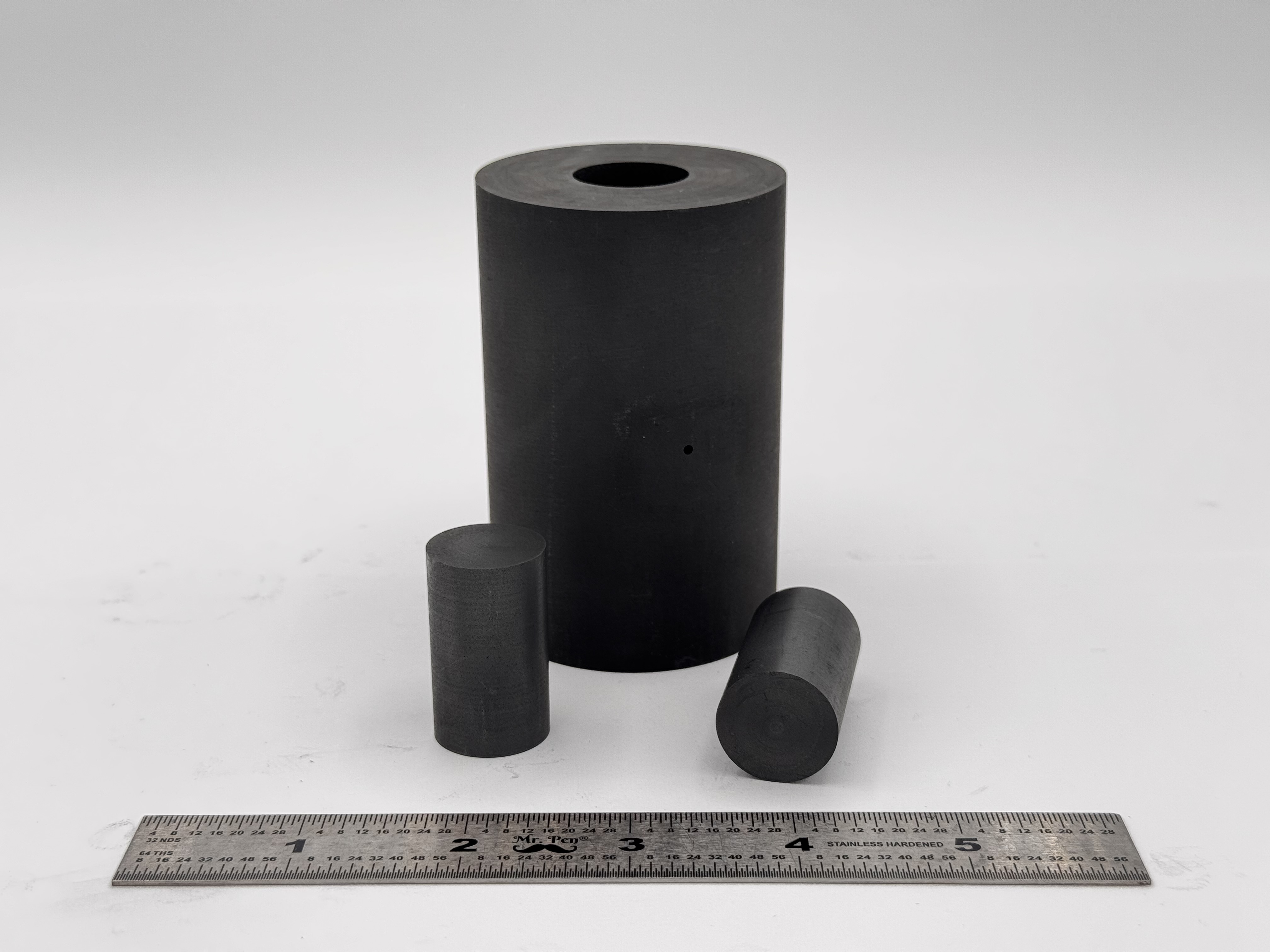
 High Strength SPS Graphite Tooling
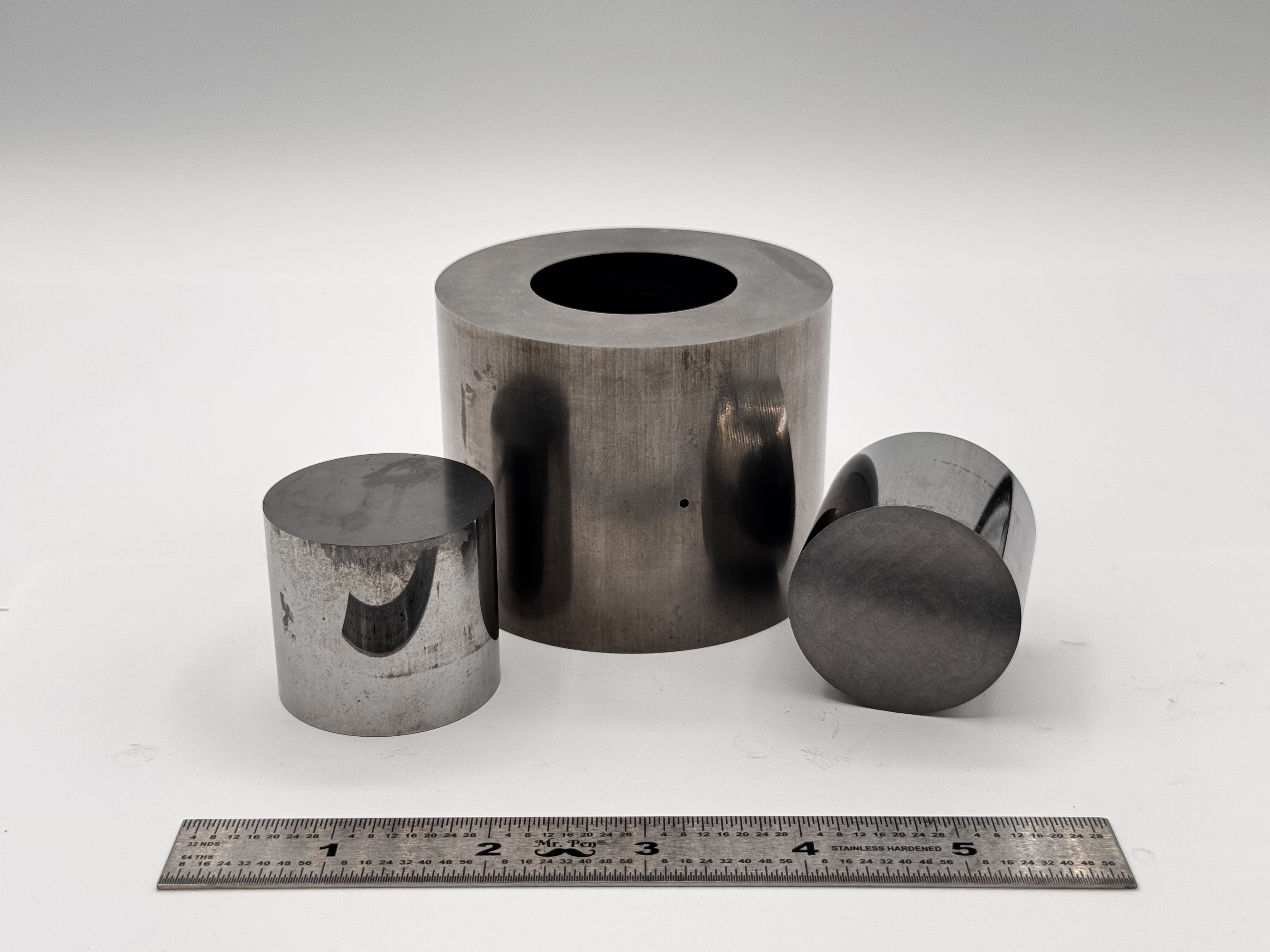 Tungsten Carbide Tooling
 Carbon Graphite Foil / Paper
 Carbon Felt and Yarn
 Spark Plasma Sintering Systems
 SPS/FAST Modeling Software
High-Temperature Ceramics: The Advanced Materials Powering Modern Manufacturing and Nanotechnology
As manufacturing technologies continue to evolve, the demand for materials capable of surviving increasingly harsh operating environments has never been greater. Whether powering next-generation nuclear reactors, enabling hypersonic flight, manufacturing semiconductor chips, or supporting cutting-edge nanotechnology research, high-temperature ceramics have become some of the most important engineering materials in the world.
Unlike traditional ceramics used in household products, advanced high-temperature ceramics are specifically engineered to maintain their strength, hardness, dimensional stability, and chemical resistance under extreme thermal conditions. Many of these materials remain structurally stable well above 1,000°C, while specialized ultra-high-temperature ceramics (UHTCs) can tolerate temperatures approaching or even exceeding 3,000°C. Their ability to function where metals soften, oxidize, or creep has made them indispensable across nearly every advanced manufacturing sector.
For organizations such as California Nanotechnologies (Cal Nano), these materials represent far more than simply heat-resistant components. They are the foundation for developing next-generation technologies through advanced powder processing, field-assisted sintering (FAST), spark plasma sintering (SPS), diffusion bonding, hot isostatic pressing (HIP), vacuum brazing, and other specialized manufacturing processes that enable entirely new classes of engineered materials.
Understanding High-Temperature Ceramics
High-temperature ceramics are inorganic, non-metallic materials designed to withstand environments involving extreme heat, mechanical stress, chemical corrosion, and thermal cycling. Unlike conventional structural materials, they exhibit exceptional stability because of their strong atomic bonding, allowing them to retain their physical properties even under severe operating conditions.
Many engineering ceramics are manufactured from highly refined powders that are consolidated through advanced sintering techniques. Modern processing technologies make it possible to achieve nearly theoretical density while preserving fine grain structures that enhance mechanical performance.
Among the most common high-temperature ceramic materials are alumina (Al₂O₃), zirconia (ZrO₂), silicon carbide (SiC), silicon nitride (Si₃N₄), boron carbide (B₄C), aluminum nitride (AlN), and increasingly, ultra-high-temperature ceramics such as zirconium diboride (ZrB₂) and hafnium carbide (HfC).
Each material offers a unique balance of thermal conductivity, hardness, fracture toughness, oxidation resistance, electrical properties, and wear performance, allowing engineers to select the optimal material for highly specialized applications.
Why High-Temperature Ceramics Continue to Replace Conventional Materials
One of the primary reasons high-temperature ceramics have become increasingly valuable is their ability to outperform traditional metals in demanding environments. While many steel alloys begin to lose mechanical strength at elevated temperatures, advanced ceramics often maintain their structural integrity with minimal deformation.
Their advantages extend well beyond heat resistance. Advanced ceramics typically offer exceptional hardness, making them highly resistant to abrasion and erosion. Their low coefficients of thermal expansion reduce dimensional changes during heating and cooling, while their resistance to oxidation and chemical attack enables long-term service in corrosive environments.
Additionally, many ceramics possess relatively low density compared to refractory metals, making them attractive wherever weight reduction is critical. This combination of properties has expanded their use into applications that were previously impossible using conventional engineering materials.
Aerospace and Hypersonic Technologies
Perhaps no industry illustrates the importance of high-temperature ceramics more clearly than aerospace. Modern aircraft engines, rocket propulsion systems, spacecraft, and hypersonic vehicles routinely encounter temperatures that exceed the limits of traditional metallic alloys.
As aircraft engines become more efficient, combustion temperatures continue to increase. Ceramic matrix composites (CMCs) and silicon carbide components allow turbine engines to operate at significantly higher temperatures while reducing overall engine weight. This translates directly into improved fuel efficiency, lower emissions, and longer component life.
In space exploration, thermal protection systems rely heavily on advanced ceramics capable of surviving atmospheric re-entry. Heat shields, nose cones, rocket nozzles, and exhaust systems experience temperatures that can exceed several thousand degrees Celsius. Ultra-high-temperature ceramics such as zirconium diboride and hafnium carbide have become leading candidates for these applications because they combine exceptional thermal stability with outstanding oxidation resistance.
As hypersonic technologies continue to mature, advanced ceramic materials are expected to play an even larger role in enabling sustained flight at speeds greater than Mach 5.
Enabling Next-Generation Nuclear Energy
High-temperature ceramics have become central to many advanced nuclear technologies currently under development. Modern reactor concepts require materials capable of enduring prolonged exposure to elevated temperatures, radiation, mechanical loading, and chemically aggressive environments.
Ceramic materials serve numerous functions inside nuclear systems, including fuel pellets, neutron absorbers, reactor insulation, structural components, and protective coatings. Boron carbide, for example, remains one of the industry's preferred neutron-absorbing materials because of its excellent nuclear properties and exceptional stability under irradiation.
Silicon carbide composites have also emerged as promising accident-tolerant fuel cladding materials. Their resistance to oxidation and high-temperature degradation offers significant safety advantages compared to conventional zirconium alloys.
As governments invest heavily in small modular reactors (SMRs), Generation IV reactors, and fusion technologies, the importance of advanced ceramic manufacturing continues to grow.
Semiconductor Manufacturing Depends on Ceramic Precision
Few industries require cleaner manufacturing environments than semiconductor fabrication. The production of integrated circuits demands components capable of maintaining extreme dimensional stability while resisting contamination during high-temperature processing.
High-temperature ceramics fulfill these requirements exceptionally well. Wafer handling systems, plasma chambers, electrostatic chucks, vacuum components, and process tubes are commonly manufactured from alumina, silicon carbide, or aluminum nitride.
These materials not only withstand repeated thermal cycling but also provide the chemical purity necessary for producing increasingly sophisticated semiconductor devices. As chip manufacturing continues moving toward smaller process nodes, demand for advanced ceramic components is expected to rise substantially.
Industrial Furnaces and Heat Processing
Industrial heat treatment operations would be virtually impossible without advanced ceramic materials. Furnace linings, kiln furniture, crucibles, burner assemblies, insulation systems, and heating element supports all rely on ceramics to withstand continuous exposure to temperatures exceeding 1,500°C.
Because ceramics exhibit low thermal conductivity and excellent resistance to chemical attack, they improve furnace efficiency while extending equipment life. Their ability to maintain dimensional stability also contributes to improved product consistency across high-temperature manufacturing operations.
Industries ranging from glass manufacturing and metallurgy to advanced ceramics production depend on these materials every day.
Metal Processing and Molten Material Handling
The production of metals introduces an entirely different set of challenges. Molten alloys rapidly erode many engineering materials while simultaneously creating highly corrosive operating conditions.
Advanced ceramics have become indispensable in metal casting, continuous casting systems, molten metal filtration, pouring nozzles, protective sleeves, and refractory components. Their resistance to thermal shock allows repeated heating and cooling cycles without catastrophic failure, while their hardness minimizes wear caused by flowing molten metals.
These characteristics reduce maintenance costs while improving process reliability in steel, aluminum, copper, and specialty alloy manufacturing.
Automotive Technologies Continue to Expand Ceramic Usage
Modern automobiles contain more ceramic components than ever before. Increased engine temperatures, stricter emissions regulations, and the rise of electric vehicles have created new opportunities for advanced ceramics throughout the automotive industry.
Turbocharger rotors, diesel particulate filters, spark plug insulators, oxygen sensors, ceramic bearings, brake systems, and power electronics all benefit from ceramic materials that combine low weight with excellent thermal stability.
As electrification continues, ceramic substrates and thermal management materials will play an increasingly important role in battery systems, power converters, and charging infrastructure.
High-Temperature Ceramics in Electronics
Beyond mechanical applications, advanced ceramics have become essential functional materials in modern electronics. Many ceramics provide outstanding electrical insulation while simultaneously conducting heat away from sensitive electronic devices.
Aluminum nitride is particularly valuable because it combines high thermal conductivity with excellent electrical insulation. This makes it an ideal substrate for power electronics operating under demanding conditions.
Ceramics are also widely used in RF devices, piezoelectric sensors, circuit substrates, high-voltage insulators, and thermal management systems found throughout telecommunications, aerospace electronics, and renewable energy systems.
Supporting Defense and National Security
Defense applications frequently push materials to their absolute performance limits. Missile systems, hypersonic weapons, armor, propulsion technologies, and radar-transparent structures all require materials capable of surviving extreme mechanical and thermal loading.
High-temperature ceramics satisfy many of these demanding requirements while offering additional benefits such as reduced weight and exceptional wear resistance.
Advanced armor systems often incorporate boron carbide because of its extraordinary hardness and low density, while ultra-high-temperature ceramics enable components exposed to intense aerodynamic heating during high-speed flight.
As defense technologies continue evolving, advanced ceramics remain a strategic area of materials research worldwide.
Chemical Processing and Corrosion Resistance
Industrial chemical processing environments combine high temperatures with highly aggressive chemicals capable of rapidly degrading traditional engineering materials.
Ceramic pump seals, valve seats, heat exchangers, reactor liners, catalyst supports, and corrosion-resistant piping offer significantly longer service life under these conditions. Their chemical inertness helps maintain product purity while reducing maintenance requirements and minimizing downtime.
Industries including pharmaceuticals, petrochemicals, specialty chemicals, and environmental processing all rely heavily on advanced ceramic components.
The Role of High-Temperature Ceramics in Nanotechnology
One of the fastest-growing applications for high-temperature ceramics lies within advanced materials research and nanotechnology. Many next-generation materials begin as precisely engineered powders that require consolidation without destroying carefully designed microstructures.
California Nanotechnologies specializes in manufacturing technologies that make this possible. Through advanced powder processing and field-assisted sintering (FAST), the company produces highly dense ceramic components while minimizing grain growth—a critical requirement when working with nanostructured materials.
FAST and Spark Plasma Sintering (SPS) enable rapid heating rates that shorten processing cycles while preserving desirable nanoscale features. Compared to conventional sintering methods, these technologies often produce finer microstructures, improved mechanical properties, and higher overall densities.
Cal Nano's capabilities extend beyond FAST to include Hot Isostatic Pressing (HIP), diffusion bonding, vacuum brazing, cryogenic milling, and precision particle size analysis. Together, these advanced manufacturing processes allow researchers and industrial partners to develop complex ceramic materials for applications including advanced nuclear systems, aerospace components, electronic ceramics, wear-resistant coatings, high-entropy materials, quantum technologies, and next-generation energy systems.
Because ceramic performance depends heavily on microstructure, every stage of manufacturing—from powder preparation to final densification—must be carefully controlled. This level of precision is exactly where advanced materials companies like California Nanotechnologies provide significant value to customers working at the forefront of materials science.
The Future of High-Temperature Ceramics
As engineering challenges become more demanding, high-temperature ceramics will continue expanding into applications once considered impossible. The global push toward cleaner energy, higher-efficiency transportation, advanced electronics, semiconductor manufacturing, hypersonic flight, and fusion power all require materials capable of performing under increasingly extreme conditions.
At the same time, manufacturing technologies continue advancing. Processes such as Field-Assisted Sintering Technology (FAST), Spark Plasma Sintering (SPS), additive manufacturing, diffusion bonding, and Hot Isostatic Pressing are enabling engineers to produce increasingly complex ceramic components with unprecedented control over density, grain size, and material properties.
These innovations are transforming advanced ceramics from specialty laboratory materials into scalable industrial solutions capable of supporting the next generation of technological breakthroughs.
Advancing Materials Through High-Temperature Ceramic Manufacturing
High-temperature ceramics have become foundational materials for modern engineering because they combine exceptional thermal resistance, mechanical strength, corrosion resistance, and dimensional stability in ways few other materials can match. Their applications span aerospace, nuclear energy, semiconductor manufacturing, defense, industrial processing, automotive engineering, and countless research initiatives that will define the future of advanced manufacturing.
For organizations like California Nanotechnologies, the ability to precisely process these materials using advanced powder metallurgy and field-assisted sintering technologies is helping accelerate innovation across multiple industries. As demand grows for materials capable of operating in ever more extreme environments, high-temperature ceramics—and the advanced manufacturing techniques used to produce them—will remain essential to solving some of the world's most complex engineering challenges.