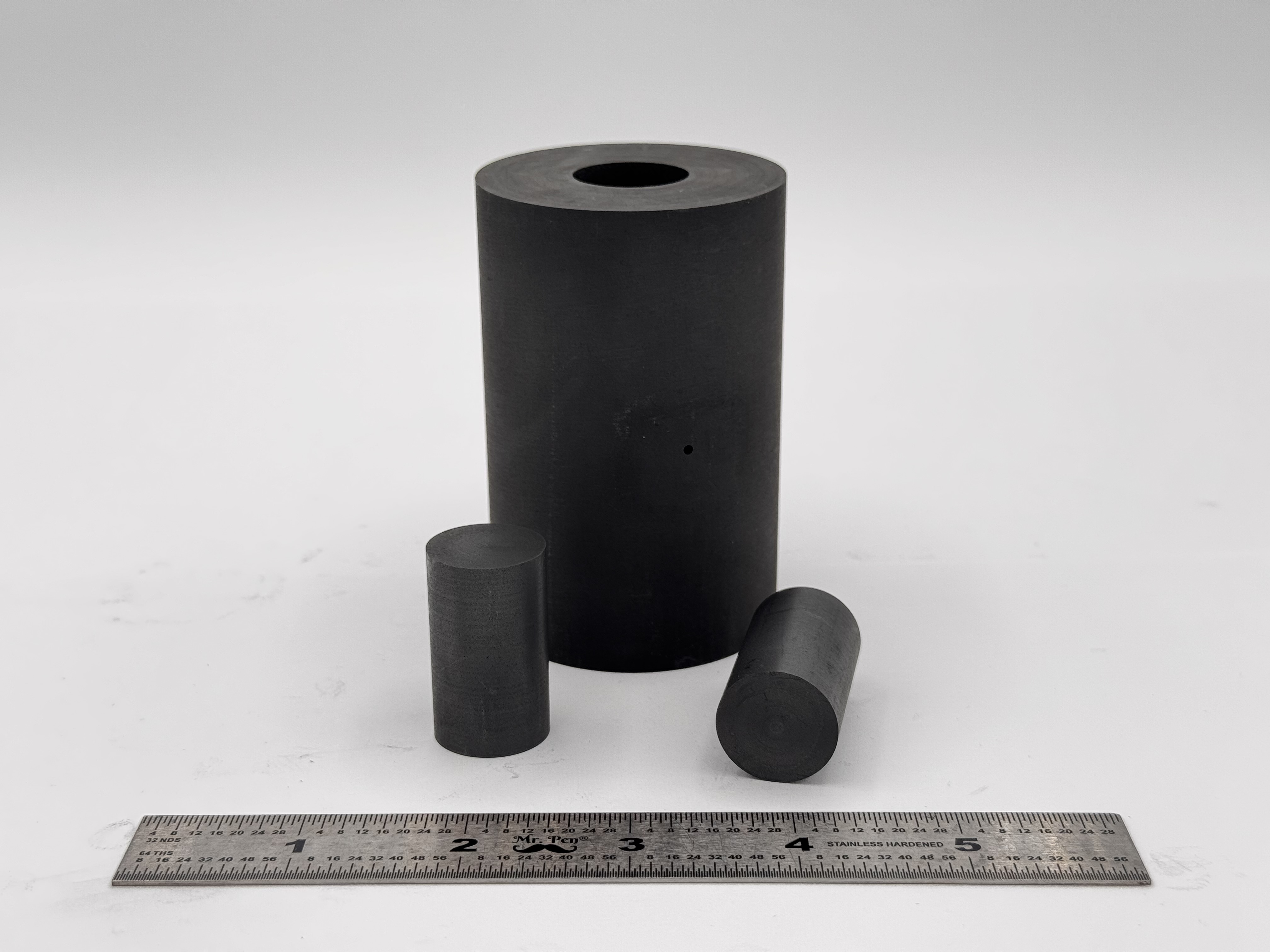
 High Strength SPS Graphite Tooling
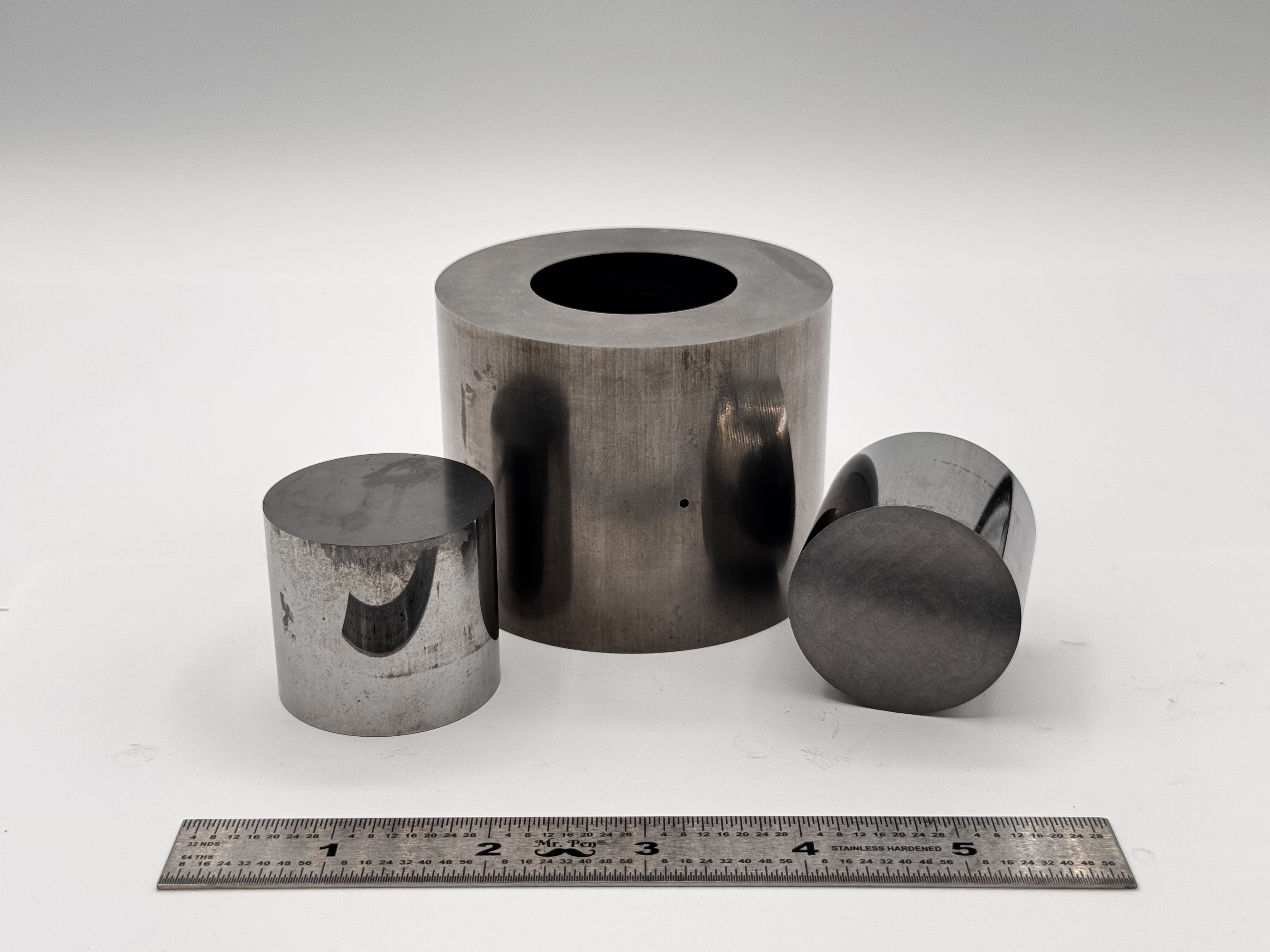 Tungsten Carbide Tooling
 Carbon Graphite Foil / Paper
 Carbon Felt and Yarn
 Spark Plasma Sintering Systems
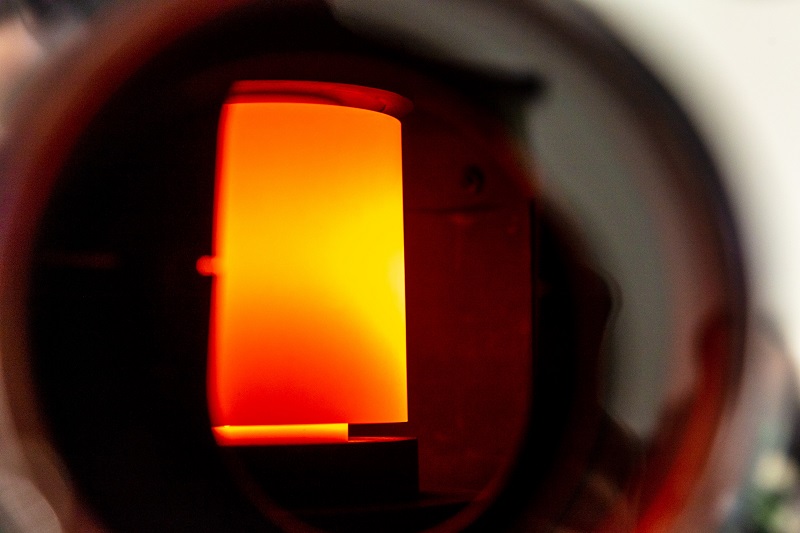 SPS/FAST Modeling Software
The Critical Role of Particle Size Analysis in Nanotechnology
In the world of nanotechnology, the smallest details often have the greatest impact. Materials measured in billionths of a meter exhibit behaviors that differ dramatically from their larger counterparts, making precise characterization essential to successful research, development, and manufacturing. Among the many analytical techniques used by materials scientists, particle size analysis (PSA) stands out as one of the most important. Whether developing advanced ceramics, engineering battery materials, manufacturing semiconductor components, or producing next-generation aerospace alloys, accurately measuring particle size is fundamental to achieving consistent performance and reliable results.
Particle size analysis is far more than a quality control measurement. It is a critical decision-making tool that influences nearly every stage of nanomaterial development, from initial powder synthesis to final product validation. As advanced manufacturing technologies such as Spark Plasma Sintering (SPS), Field-Assisted Sintering Technology (FAST), cryomilling, Hot Isostatic Pressing (HIP), and diffusion bonding become increasingly important, the ability to understand and control particle size has become indispensable for organizations operating at the forefront of materials science, including California Nanotechnologies.
Why Particle Size Matters at the Nanoscale
Particle size is one of the defining characteristics of any powdered material. While this has always been true in traditional manufacturing, it becomes exponentially more important as particles shrink into the nanometer range. Nanoparticles are typically defined as particles measuring between 1 and 100 nanometers in at least one dimension. At this scale, materials begin to exhibit unique physical, chemical, electrical, magnetic, and optical properties that are not observed in larger particles of the same composition.
The primary reason for this behavior lies in surface area. As particle size decreases, the ratio of surface area to volume increases dramatically. A larger percentage of atoms are exposed on the particle surface rather than being contained within its interior. These surface atoms are more chemically active and significantly influence how the material behaves.
Consequently, even slight changes in particle size can alter a material's strength, conductivity, thermal performance, catalytic activity, optical characteristics, corrosion resistance, and mechanical durability. Two powders made from the exact same material can produce entirely different results if one has an average particle size of 50 nanometers while the other measures 500 nanometers.
Because of these dramatic differences, controlling particle size is not simply desirable—it is essential.
Building Better Materials Through Particle Characterization
Every advanced material begins with careful design. Before engineers can manufacture high-performance components, they must first understand the characteristics of the powders being used. Particle size analysis provides this critical information by measuring not only the average particle diameter but also the overall particle size distribution.
Rather than producing powders composed entirely of identical particles, most manufacturing processes create distributions containing both fine and coarse particles. Understanding this distribution allows researchers to optimize production methods while predicting how materials will behave during downstream processing.
During research and development, particle size analysis is performed repeatedly as materials undergo synthesis, milling, precipitation, atomization, spray drying, chemical processing, or other manufacturing techniques. Engineers use these measurements to determine whether process adjustments are required before moving to larger-scale production.
For organizations developing novel nanomaterials, this iterative approach dramatically reduces development time while improving consistency between laboratory experiments and commercial manufacturing.
Optimizing Powder Processing for Advanced Manufacturing
Many of today's most advanced manufacturing technologies begin with engineered powders. The characteristics of these powders ultimately determine the quality of the finished component.
Particle size influences how powders flow, pack together, compress under pressure, and densify during sintering. Uniform particle distributions generally lead to higher green density, reduced porosity, more predictable shrinkage, and improved mechanical properties after consolidation.
This is particularly important in powder metallurgy, metal injection molding, additive manufacturing, and advanced sintering technologies. If particles vary too widely in size, the resulting component may contain internal defects, density variations, or weak regions that reduce overall performance.
Particle size analysis provides manufacturers with the data necessary to maintain process consistency while minimizing these defects before production even begins.
Supporting Cryomilling and Mechanical Alloying
Cryomilling has become an increasingly valuable process for producing nanocrystalline materials with exceptionally fine grain structures. During cryomilling, powders are mechanically processed at extremely low temperatures using liquid nitrogen or other cryogenic cooling methods. The reduced temperature minimizes particle welding while promoting repeated fracturing, resulting in progressively smaller particles.
However, cryomilling is highly dependent upon careful process control. Milling for too short a period may leave particles larger than desired, while excessive milling can introduce contamination, unnecessary energy consumption, or unwanted particle agglomeration.
Particle size analysis serves as the primary monitoring tool throughout the cryomilling process. By regularly measuring particle size distributions, engineers can determine when the desired particle refinement has been achieved while simultaneously monitoring powder uniformity and identifying potential processing issues.
This information allows manufacturers to optimize milling parameters and consistently produce powders suitable for advanced consolidation processes.
Improving Spark Plasma Sintering Performance
Spark Plasma Sintering (SPS), also known as Field-Assisted Sintering Technology (FAST), has become one of the most significant innovations in powder consolidation. Unlike conventional sintering, SPS combines uniaxial pressure with pulsed direct electrical current to rapidly densify powdered materials while minimizing grain growth.
The success of SPS depends heavily upon particle size.
Fine powders possess greater surface energy and shorter diffusion distances, allowing densification to occur more rapidly and at lower temperatures. Smaller particles also enable more uniform current flow through the compacted powder, contributing to faster heating rates and improved microstructural control.
Particle size analysis therefore plays an important role before, during, and after SPS processing. Engineers characterize incoming powders to ensure they meet required specifications, then evaluate the resulting microstructures after sintering to understand how particle size influenced grain growth and final density.
Companies such as California Nanotechnologies rely on these measurements to optimize SPS processing for demanding applications in aerospace, defense, energy, electronics, and advanced research.
Enabling Next-Generation Battery Technologies
The global transition toward electric vehicles, renewable energy storage, and portable electronics has intensified research into advanced battery materials. Particle size analysis has become one of the most important analytical techniques supporting this effort.
Lithium-ion batteries, solid-state batteries, sodium-ion batteries, and other emerging energy storage technologies all depend on carefully engineered powders.
Cathode materials, anode materials, conductive additives, and solid electrolytes each require tightly controlled particle sizes to maximize electrochemical performance.
Smaller particles typically provide shorter ion diffusion paths, allowing batteries to charge and discharge more rapidly. Uniform particle distributions also improve electrode packing density, increase energy density, and promote consistent electrical conductivity throughout the cell.
At the same time, excessive particle refinement may increase unwanted side reactions due to greater surface area, making careful optimization essential.
Particle size analysis provides the data necessary to balance these competing requirements while supporting the development of safer, longer-lasting, and higher-performing batteries.
Advancing High-Performance Ceramics
Advanced ceramics are among the most demanding materials produced today. Unlike conventional structural ceramics, technical ceramics are engineered for applications involving extreme temperatures, corrosive environments, high mechanical stresses, and demanding electrical performance.
Examples include armor systems, nuclear reactor components, semiconductor substrates, aerospace components, medical implants, cutting tools, and thermal protection systems.
The performance of these materials begins with the powders from which they are manufactured.
Fine, uniformly distributed particles produce denser ceramic bodies with fewer internal defects and improved fracture toughness. Conversely, broad particle distributions may lead to incomplete densification, increased porosity, and reduced mechanical performance.
Particle size analysis enables manufacturers to optimize ceramic formulations before sintering, helping ensure consistent quality across production batches.
Driving Catalyst Innovation
Catalysts represent another field where particle size directly determines performance.
Catalytic reactions occur on particle surfaces. As particle size decreases, the available surface area increases dramatically, exposing more active reaction sites. This increased surface area often translates directly into higher catalytic efficiency.
Researchers developing catalysts for hydrogen production, fuel cells, petrochemical processing, emissions control, and environmental remediation rely extensively on particle size analysis to evaluate new formulations.
By understanding how particle size influences catalytic behavior, scientists can maximize reaction rates while minimizing material usage and production costs.
Supporting Semiconductor Manufacturing
Semiconductor manufacturing demands extraordinary precision. Nanoparticles are used throughout the electronics industry in applications ranging from conductive inks and thin-film coatings to quantum dots and chemical mechanical polishing (CMP) slurries.
Particle size directly affects electrical conductivity, optical properties, deposition quality, and overall device reliability.
Even minor variations in particle size distribution can introduce defects during semiconductor fabrication, reducing production yields and increasing manufacturing costs.
Particle size analysis therefore serves as a routine quality control tool throughout semiconductor manufacturing, ensuring that materials consistently meet the industry's exceptionally tight specifications.
Reinforcing Nanocomposites
Nanocomposites combine nanoscale reinforcements with polymers, metals, or ceramics to create materials possessing superior mechanical, electrical, and thermal properties.
The effectiveness of these reinforcements depends heavily on particle size and dispersion.
If nanoparticles agglomerate or become unevenly distributed, they lose much of their reinforcing capability. Proper particle size analysis allows manufacturers to monitor dispersion quality while optimizing processing conditions that promote uniform reinforcement throughout the composite structure.
These materials are increasingly used in aerospace structures, automotive components, sporting goods, medical devices, electronics, and industrial equipment where lightweight, high-strength materials provide significant performance advantages.
Improving Biomedical Nanotechnology
The healthcare industry has embraced nanotechnology for applications including targeted drug delivery, diagnostic imaging, tissue engineering, cancer treatment, and regenerative medicine.
Particle size is especially critical in biomedical applications because it determines how nanoparticles interact with biological systems.
Nanoparticles that are too large may fail to penetrate target tissues, while particles that are too small may be rapidly cleared from the body. Size also influences circulation time, cellular uptake, toxicity, and biodistribution.
Regulatory agencies require extensive particle characterization before approving many nanotechnology-based medical products, making particle size analysis an essential component of pharmaceutical and biomedical research.
Quality Control Throughout Manufacturing
While particle size analysis plays an essential role during research and development, its importance continues throughout full-scale production.
Manufacturers routinely perform particle size analysis to verify batch consistency, detect oversized particles, identify agglomeration, validate process changes, and ensure compliance with customer specifications.
Because nanomaterials are often used in highly engineered systems, even relatively small changes in particle size distribution can significantly affect downstream processing and final product performance.
Routine particle characterization helps manufacturers detect problems before they become costly production issues while ensuring every batch meets strict quality requirements.
Modern Particle Size Analysis Technologies
Several analytical techniques are used depending on the material being evaluated and the desired particle size range.
Laser diffraction remains one of the most widely used industrial methods because it provides rapid measurements across a broad particle size range. Dynamic Light Scattering (DLS) has become the preferred technique for nanoparticles suspended in liquids, while Nanoparticle Tracking Analysis (NTA) measures both particle size and concentration by observing individual particles in motion.
Electron microscopy, including scanning electron microscopy (SEM) and transmission electron microscopy (TEM), provides direct visualization of nanoparticles while revealing particle morphology and agglomeration. Atomic Force Microscopy (AFM) offers three-dimensional surface characterization with nanometer-scale resolution, making it valuable for specialized research applications.
Each technique provides complementary information, allowing researchers to develop a comprehensive understanding of their materials.
The Foundation of Advanced Materials Innovation
As nanotechnology continues to reshape industries ranging from aerospace and clean energy to electronics and healthcare, particle size analysis remains one of the most indispensable tools available to materials scientists and manufacturing engineers. Every stage of the material lifecycle—from powder synthesis and cryomilling to Spark Plasma Sintering, diffusion bonding, Hot Isostatic Pressing, and final quality assurance—depends on accurate particle characterization to ensure optimal performance.
For companies such as California Nanotechnologies, particle size analysis is not simply a laboratory measurement; it is a cornerstone of advanced materials engineering. By combining sophisticated analytical capabilities with cutting-edge manufacturing processes like Field-Assisted Sintering Technology (FAST), SPS, and other powder consolidation techniques, the company helps bridge the gap between research-scale innovation and commercial production.
As demand grows for stronger, lighter, more efficient, and more durable materials, the importance of precise particle size characterization will only continue to increase. In the rapidly evolving field of nanotechnology, understanding particles at the smallest scales enables engineers to solve some of the largest challenges in modern manufacturing and scientific discovery.